
Tea is one of the most popular beverages in the world. Green tea and black tea and caffeine-free herbal blends - there are so many of them. Which one is right for you? And it depends on your taste, caffeine preference and what you want from your daily drink.
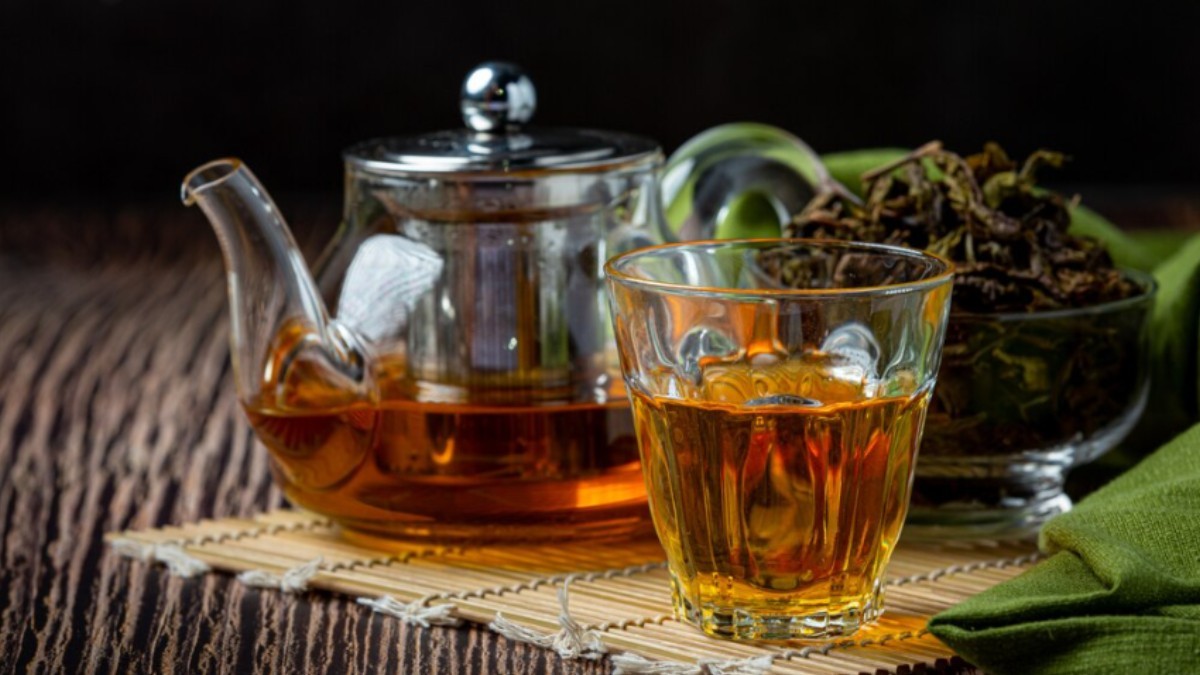
Green Tea: A Light and Fresh Choice
Green tea is made from Camellia sinensis leaves that undergo minimal oxidation. It contains caffeine and is also a source of naturally occurring compounds called catechins.
Green tea has a light taste and a refreshing character (which makes it an attractive drink). It can be good for people who want caffeine in their tea but prefer it to be milder than black tea and less caffeinated.
Related Articles


Green tea is frequently consumed without milk and sugar. There is variation in taste among people, though.
Black Tea: Stronger Taste and More Caffeine
Black tea also comes from Camellia sinensis, but the leaves are oxidized in a different way than green tea. This results in black tea being darker and stronger in colour.
It generally has more caffeine than green tea, but the exact amount depends on the type of tea, serving size and brewing method.
Related Articles


Black tea is a great choice for people who enjoy a stronger cup in the morning or need a caffeinated drink during the day. It can be served simply or with milk.
Herbal Tea: A Caffeine-Free Alternative
Unlike green and black tea, most herbal teas are not made from Camellia sinensis. They are made from herbs, flowers, spices, fruit or other plants.
Chamomile, peppermint, ginger and hibiscus are popular.
Most herbal teas are caffeine-free, so people who want to avoid caffeine are able to drink them later in the day. Some blends may contain caffeine, so checking the label is helpful.
Which Tea Is Better for You?
There is no single tea that is best for everybody. Green and black tea have caffeine and plant compounds, while herbal teas provide a wider range of caffeine-free options.
Green tea is the tea that you want to drink for a lighter caffeinated beverage. If you like a stronger taste and more caffeine, then black tea is better. A good herbal tea is suitable if caffeine is not the priority.
Pay Attention to What You Add
The health value of tea is also dependent on what’s in the cup. Adding a lot of sugar, flavoured syrups and high-calorie creamers will result in increased calorie and sugar content.
Consumers might prefer unsweetened tea or small amounts of sweetener to keep it lighter.
The Best Tea May Be the One You Enjoy
Green, black and herbal teas can all go well with a balanced lifestyle. Don’t focus on one universal “best” tea but take into account your caffeine requirements, taste preferences and the time of day.
A simple approach is to enjoy caffeinated teas earlier in the day and choose a caffeine-free herbal beverage when you want a warm drink without caffeine.


Comments 0