
H1N1 influenza is gaining more attention across many Indian cities and health officials and doctors are advising people to stay vigilant and not to panic. Delhi has been the most affected city so far with thousands of cases of H1N1 this year.
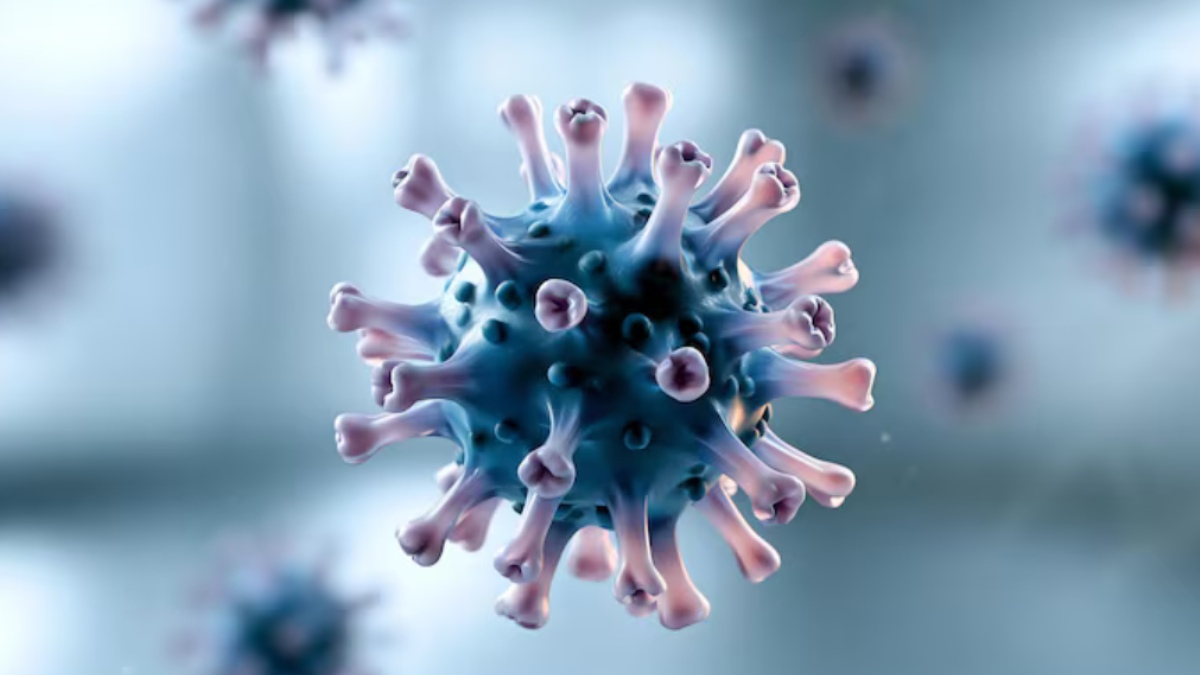
Meanwhile, the Union Health Ministry and Indian Council of Medical Research (ICMR) have said that the situation is consistent with seasonal influenza and no new or unusual virus strain has been detected.
Delhi has become a major focus of the current health alert. The capital recorded 138 fresh H1N1 cases in a 24-hour period, taking the total for 2026 to 2,446 by August 26. Hospitals have also been asked to be better prepared, and health officials are monitoring the situation.
Related Articles


H1N1, commonly known as swine flu, is a virus in the family of the influenza A virus. Although the virus became well-known during the 2009 pandemic, H1N1pdm09 subsequently became part of the seasonal influenza viruses circulating among the population. ICMR officials have stressed that the current increase does not mean a new pandemic strain is emerging.
Common H1N1 Symptoms
The H1N1 symptoms can overlap significantly with other respiratory infections and the diagnosis is difficult with symptoms alone. Common symptoms reported by doctors include fever, cough, sore throat, runny or blocked nose, body aches, headache and fatigue. Some people may suffer from more pronounced tiredness or flu-related symptoms.
Because respiratory illnesses can present similar symptoms, people have been advised by medical professionals not to immediately consider every fever or cough to be an H1N1. A healthcare professional can diagnose symptoms and determine whether or not further evaluation or testing is appropriate.
Related Articles


Why are doctors warning against self-medication?
One of the strongest messages with the current rise in cases is the warning against self-medication. People with flu-like symptoms should seek medical advice instead of trying to treat themselves with medicines without professional guidance, the Delhi Medical Association has said.
This is especially important because influenza symptoms can be very similar to other infections, so we have to treat it with the individual’s situation and severity of illness. Immediate medicine or delay in medical assessment can make an illness more difficult to deal with.
And one must not assume that antibiotics are automatic for flu symptoms. Influenza comes from a virus and antibiotics are not meant to treat viral infections. A doctor may prescribe antibiotics if there is a specific reason, like a bacterial infection, but not just because of a fever or cough.
Who Needs Extra Care?
While seasonal influenza can affect people of all ages, doctors have highlighted more vulnerable groups as being at higher risk. Older adults, young children and those with preexisting health conditions are at high risk of complications from influenza. People with respiratory conditions such as asthma or COPD can also be particularly concerned.
In these groups, significant or worsening flu-like symptoms should be recognized and treated in a timely manner rather than spent in self-treatment.
Prevention Remains Important
Health professionals are suggesting simple methods to reduce respiratory infection transmission. The Delhi Medical Association said people should practice respiratory hygiene, cover their mouth and nose when coughing or sneezing, wash their hands regularly and avoid touching eyes, nose and mouth with unwashed hands. People with flu-like symptoms should also avoid crowded places if possible.
The use of a mask in crowded or enclosed situations may help combat respiratory transmission during periods of increased influenza activity and can even help to reduce respiratory transmission.
Schools and other institutions are also advised to increase awareness and preventive efforts. Delhi authorities have advised schools to dissuade self-medication and to pay more attention to influenza precautions.
No Need for Panic, Says ICMR
Despite the increase in reported infections, health authorities have repeatedly stressed that there is no reason for widespread panic. The influenza viruses we are seeing in India are seasonal in nature and were described by the Union Health Ministry as follows (ICMR): “There is no significant genetic change in the current H1N1 activity."
But the situation is being monitored by India’s health surveillance system. Authorities are monitoring influenza activity and hospital preparedness so that any significant change can be identified promptly.
So the current H1N1 increase is in fact an opportunity to be more aware and take precautions rather than be afraid. Identification of flu-like symptoms, good respiratory hygiene, avoiding unnecessary exposure when sick and seeking medical care are some ways to reduce the spread and potential complications.
As H1N1 activity occurs in many cities across India, health care professionals are advising the public to stay informed and not rely on social media or self-medication. Early medical consultation is very important when symptoms are bad, persistent or affect people who are more vulnerable to complications.


Comments 0