
A warm cup of tea in the middle of a headache can be soothing. Some teas may help people temporarily to relax, or even to get some caffeine. But tea is not a universal treatment for headaches and the same drink that is soothing to one person may exacerbate symptoms in another.
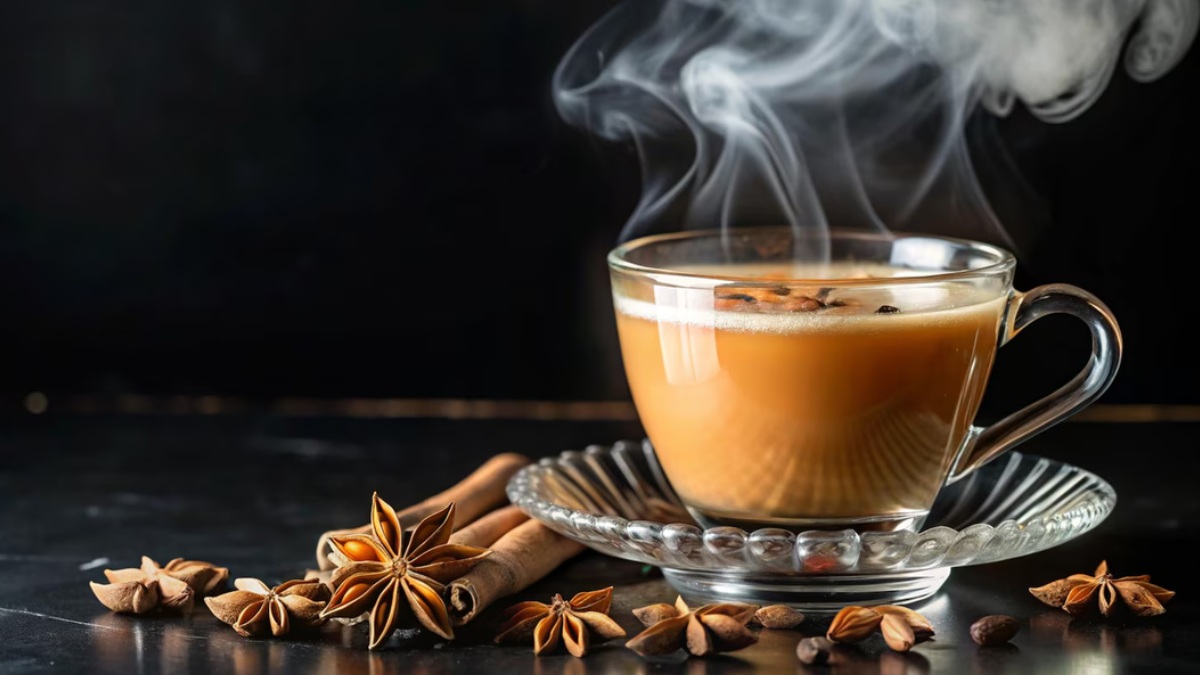
The type of headache, the tea, caffeine consumption and individual sensitivity can all affect how someone feels after drinking it. Knowing those things can inform you when reaching for a cup during a headache.
How does tea trigger a headache?
Caffeine is one of the most important factors to consider. Black tea, green tea, matcha, oolong tea and Earl Grey have caffeine, but the amount can vary very much depending on the preparation and use.
Related Articles


Most people can benefit from moderate caffeine consumption for some headaches. Caffeine can affect blood vessels and can also enhance the effects of certain headache medicines. But drinking too much caffeine can lead to headaches for some people who are sensitive to it.
Caffeine withdrawal. People who drink a lot of caffeine may experience headaches if they suddenly stop drinking caffeinated drinks. If they stop drinking caffeine, they may feel tired, unable to concentrate and irritable.
Caffeinated tea consumption can also interfere with sleep. Because lack of sleep can cause headaches, consuming large quantities of caffeinated tea late in the day may indirectly compound the symptoms.
Related Articles


However, herbal teas are caffeine-free (not every herbal tea is the same for everybody, however), and even if it is, its use varies from one person’s drug (or not) to another. Sensitivity and interactions with some medicines can vary from one person to the next. For example, taking large quantities of licorice can cause blood pressure to rise and reduce fluid balance.
Does tea help relieve a headache?
Just one of the most simple benefits of tea is that it contributes to fluid intake. Dehydration can cause headaches but if not enough hydration is contributing to them, drinking fluids may help when too little hydration is contributing to symptoms.
A warm beverage can also be relaxing. If stress, tension or fatigue is contributing to a headache, taking a few minutes to sit quietly with a caffeine-free tea may provide a calming break.
Caffeine deserves a more nuanced explanation. Not everything is something everyone with a headache needs to avoid. Small amounts of caffeine can be helpful for people, especially when they’re combined with a proper headache treatment. The key is moderation and consistency and not just taking a big hit of caffeine at once.
Peppermint Tea
Peppermint tea is generally caffeine-free. Peppermint contains menthol which provides a cooling effect and may be soothing when someone is suffering.
If peppermint tea is good (and you like it) it can help you drink more fluids, which can help you fill your belly with fluid and relax.
But peppermint is not for everyone. People who have reflux or heartburn may find that peppermint makes those symptoms worse.
Ginger Tea
Ginger tea is especially good when a headache goes with nausea. Ginger has been used for nausea and migraine-related symptoms but the evidence is not as strong as how ginger is used and when.
A warm ginger drink may also help with fluids and be comforting in case of unwell people.
People taking medications or consuming concentrated ginger products should talk to a healthcare professional if they have an existing medical condition.
Chamomile Tea
Chamomile tea is caffeine-free and is commonly associated with relaxation. This makes it an appealing evening beverage, especially when stress or difficulty winding down is causing discomfort.
If chamomile isn’t a reliable headache cure, replacing a heavily caffeinated drink with a soothing caffeine-free beverage could be helpful for those who feel caffeine will affect their sleep or headaches.
People with allergies (particularly ragweed-related allergies) may need to be careful with chamomile.
Lavender Tea
Lavender tea is another caffeine-free option which many people associate with relaxation. Its mild scent and warm temperature can make it a calming choice during stressful periods.
As with other herbal teas, individual reactions vary. Lavender tea is a comfort and relaxation drink and not so much a cure for headaches.
What about Green Tea, Black Tea and Matcha?
Caffeinated teas such as green tea, black tea, matcha and oolong are helpful for some people but problematic for others.
If you drink caffeinated tea frequently, suddenly removing caffeine may cause withdrawal headaches. On the other hand, if you’re drinking caffeine very often or drinking many strong cups in a short period of time, you may have symptoms of caffeine sensitivity.
The best way to do this is to observe patterns. If headaches keep coming after a particular caffeinated beverage, talk to a healthcare professional about caffeine consumption and do not worry about sudden changes rather than making big changes.
When should you avoid a particular tea?
There is no single list of teas that everyone with headaches needs to avoid. Personal triggers are important.
If you have a headache, keep track of what you drink, how much you consume and if you get a headache. Also consider other factors such as sleep, hydration, meals, stress and screen time. This can make it easier to identify patterns.
If a specific tea repeatedly appears to trigger headaches, reducing it or choosing a caffeine-free alternative may be reasonable.
Finally, tea can assist in the soothing effect on headache care in a headache-care routine but it isn’t a substitute for medical treatment. Staying hydrated, maintaining regular sleep and meals, managing caffeine consistently and paying attention to personal triggers can all be useful.
Most significantly, frequent or severe headaches need medical attention. A sudden very severe headache, very different from previous headaches, or accompanied by some worrying symptoms should be assessed immediately by a healthcare professional.


Comments 0