
While students, office workers, and travellers can carry a big backpack, carrying such a heavy backpack is a common physical load. Can too much weight on your shoulders cause a blood clot in your arm? The answer is a lot more complicated than just saying that a heavy bag is what causes a clot.
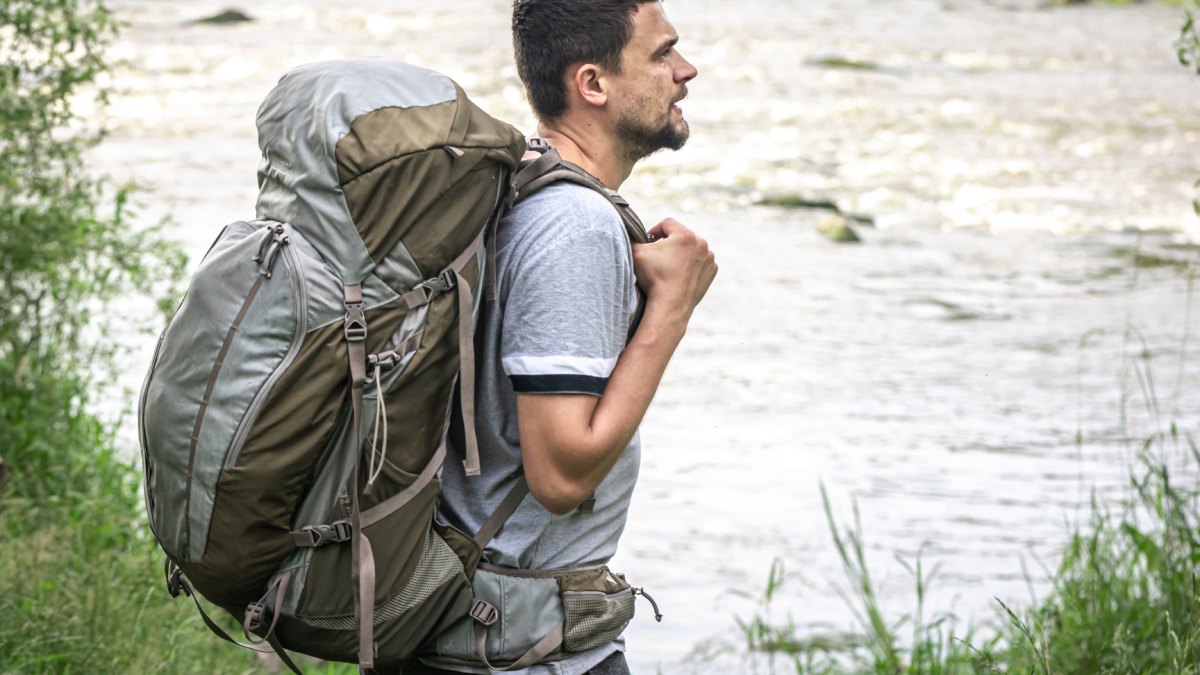
A heavy backpack puts severe pressure on the shoulders, neck, and upper chest. Tight straps may compress tissues and blood vessels as well, especially for very long periods of time when the bag is carried. It can cause pain, numbness, tingling, and impaired circulation. But a blood clot in the arm, also known as upper extremity deep vein thrombosis (DVT), is a medical condition with many causes and shouldn’t be considered as a result of carrying a heavy bag.
Physician Dr Kunal Sood has mentioned a possible link between heavy backpacks, pressure around the shoulder area and circulation, which would explain why long-term symptoms should not be dismissed as muscle strain.
Related Articles


Can a heavy backpack cause a blood clot?
Clots develop when blood stops being a liquid and starts to form a solid mass in a blood vessel. DVT affects veins in the legs, but clots can also be found in the upper extremities (e.g., shoulder and arm).
A heavy backpack in and of itself is not a major cause of an arm DVT. But long or heavy pressure on the shoulder and upper chest can interfere with normal blood flow. Compression of blood vessels is one reason why persistent swelling, pain or changes in an arm should be assessed rather than automatically attributed to carrying a bag.
There are also some types of upper-extremity DVT associated with repeated strenuous activity involving the arms and shoulders. Other factors can include a catheter or medical device inserted in a vein, some cancers, blood-clotting disorders, surgery, trauma and some medications or medical conditions.
Related Articles


This means that the relationship between a heavy backpack and a blood clot is not straightforward. A bag that is too heavy may cause muscle and nerve symptoms; a clot generally involves other risk factors or circumstances.
The straps of a heavy backpack can also put pressure on muscles and structures around the neck and shoulder. Long-term pressure can cause pain, tightness or tingling in the arm. The medical literature has also detailed how pressure from backpack straps can cause problems with muscles and circulation.
The point is that soreness after carrying a heavy bag is not a sign of DVT.
Watch out for These Warning Signs.
A blood clot in the arm can lead to symptoms that are different from muscle soreness. Warning signs may include swelling in one arm, pain or tenderness, warmth, redness or a change in the colour of the skin. The affected arm may also feel heavier than usual.
In this setting, symptoms can be subtle, so persistent or unexplained changes should not be overlooked. A doctor needs to examine the arm and, if a clot is suspected, perform a test like an ultrasound to determine blood flow through the veins.
A very important distinction is whether symptoms are still present when the backpack has been removed and the arm has been rested. Temporary shoulder or muscle discomfort after carrying a heavy load may improve after rest, while unexplained swelling or increasing pain warrants medical attention.
People with other risk factors should be especially cautious. A history of blood clots, certain cancers, recent surgery or trauma, prolonged immobility, and certain medications and conditions that increase blood clotting can increase the risk of thrombosis.
Upper-extremity clots can also become serious if part of the clot travels to the lungs and causes a pulmonary embolism. Sudden difficulty breathing, chest pain, coughing up blood, rapid heartbeat, dizziness, or fainting require urgent medical attention.
Hence, people who suddenly or significantly swell their arms together with breathing problems or chest problems should seek emergency medical care instead of assuming the problem is caused by a backpack.
How To Carry A Backpack More Safely?
Even if a backpack is not directly related to a blood clot, too much weight can be a stressor on the body. The weight should be as light as possible when the bag is carried for several hours.
Using both shoulder straps rather than one shoulder strap and carrying the bag on one shoulder can help distribute the weight more evenly. The straps should be adjusted so that the backpack doesn’t hang too low on the back.
It is also useful to take breaks when you are carrying a heavy bag for a long journey. Travellers and students should not carry unnecessary items and should consider using luggage with wheels when a load grows too heavy.
Most importantly, continued arm symptoms should not be dismissed as the result of a backpack. A heavy bag can cause strain and discomfort, but a suspected blood clot is a separate medical concern that needs to be assessed.
If an arm suddenly starts to swell, hurt, feel warm, or become discoloured, and there are other reasons for clotting in mind, it’s safe to see a doctor. And if these symptoms happen simultaneously with sudden breathlessness or chest pain, medical care needs to be sought immediately.
This article is for general information only and is not a substitute for professional medical advice. Dr Kunal Sood’s comments and available medical information should not be used to diagnose a blood clot at home.


Comments 0