
High cholesterol is generally seen as a heart health issue but researchers are increasingly looking into its link to brain health. Higher cholesterol during midlife has been linked with a greater risk of dementia later in life.
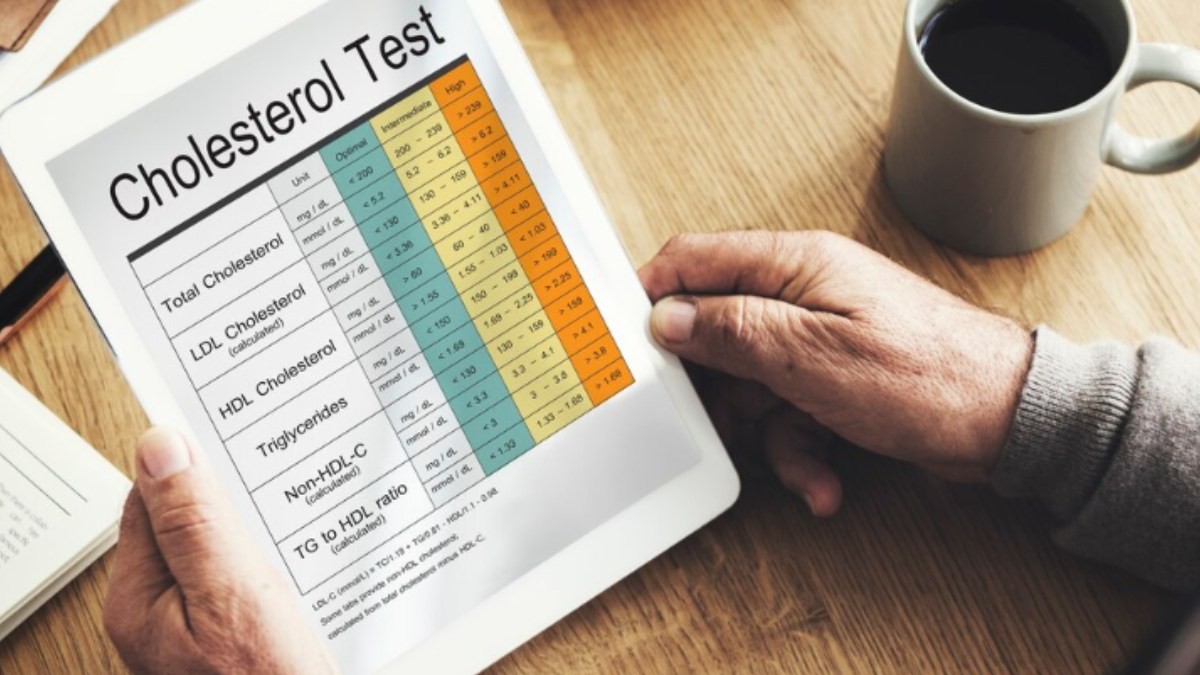
And yet the headline figure of a 14% higher dementia risk should not be interpreted as meaning that everyone with high cholesterol in their 30s will experience exactly that increase.
Where does the 14% figure come from?
In recent research, published in Alzheimer’s & Dementia, midlife hypercholesterolaemia was associated with 14% higher incidence of all-cause dementia. Each 1 mmol/L, or 39 mg/dL, increase in LDL cholesterol was associated with an 8% increase in dementia incidence.
Related Articles


These are population-level associations. They do not show that high cholesterol by itself causes dementia.
What about People in Their 30s?
There is less research on measuring cholesterol in people in their 30s and following them into old age. A Framingham Heart Study examined people aged 35 to 50 and found that lipid levels in early adulthood were associated with Alzheimer's disease risk. In one study, higher HDL cholesterol was associated with lower Alzheimer’s risk in early adulthood.
Other long-term studies have focused on people in their 40s. A Kaiser Permanente study followed 9,844 people whose cholesterol was measured at ages 40 to 45 and found that high total cholesterol was associated with increased Alzheimer's disease risk decades later.
Related Articles


This suggests that cardiovascular health earlier in adulthood might be relevant to long-term brain health, but does not establish a specific 14% risk increase for every person in their 30s.
Why Does Cholesterol Affect Brain Health?
One possible explanation is blood vessels. Elevated LDL cholesterol is very common in atherosclerosis and vascular damage. For years to come, damage to blood vessels may sap blood flow to the brain and increase the likelihood of stroke and other vascular problems.
Vascular disease can also be involved in dementia processes. Therefore, cardiovascular and brain health have become more integrated rather than separate.
The Other Risk Factors Are Just as Important.
Cholesterol is only one of a person's long-term health profile. Blood pressure, diabetes, smoking, obesity, physical inactivity and other cardiovascular factors can also influence dementia risk.
That means that a cholesterol reading cannot tell you if someone will develop dementia later in life.
Why Your 30s Can Be a Big Time?
In particular, health decisions in young adulthood can affect cumulative exposure to cardiovascular risk factors. Current cholesterol-management advice for adults aged 18 to 39 is in the form of eating healthy, physical activity and weight management to prevent long-term exposure to harmful lipids and cardiovascular risk.
For people with very high cholesterol, particularly among those with very high LDL levels or a family history of high cholesterol, conversation with healthcare professionals will help to determine what next steps should be taken.
The Bottom Line
High cholesterol in early and mid-adulthood has been linked in research to later cardiovascular and cognitive outcomes, but the 14% figure should not be presented as a precise dementia risk for everyone in their 30s.
The evidence is in favor of cholesterol and overall cardiovascular health early rather than waiting until older age to pay attention. More research is needed to determine exactly how cholesterol levels during the 30s influence dementia risk decades later.


Comments 0