
A cholesterol report can be reassuring when your LDL-C level is within the “normal” range of the laboratory. But for heart health, there may not be an LDL-C number that is equally safe for everyone.

LDL-C, or low-density lipoprotein cholesterol, is known as “bad cholesterol” as it can lead to plaque build-up in arteries. Such a build-up can narrow arteries over time and cause cardiovascular problems.
The question is not so much whether your LDL-C is normal as it is whether that level is appropriate for your risk profile.
Related Articles
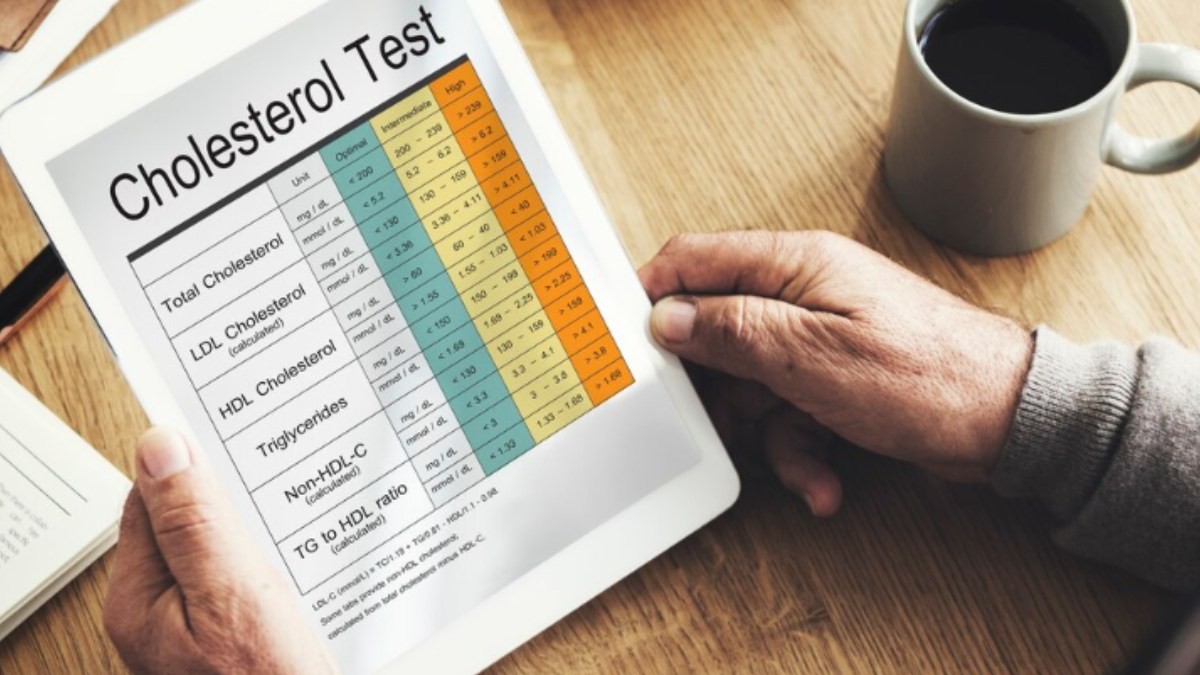

Why ‘normal’ does not mean safe for everyone in the world?
Laboratories often provide reference ranges to help interpret blood-test results. But cardiovascular risk is more complicated.
A person with no major risk factors may have a different LDL-C goal from someone who has already experienced a heart attack, has diabetes, kidney disease, or other factors that increase cardiovascular risk.
This means two people with the same LDL-C result could have very different levels of risk.
Related Articles


What makes your LDL-C goal personal?
Several factors should be considered when evaluating cholesterol and heart health. Age, blood pressure, smoking, diabetes, family history, existing cardiovascular disease, and other medical conditions are among the factors.
Healthcare providers may recommend a lower LDL-C target than the general laboratory reference range for people at higher cardiovascular risk.
So the cholesterol number alone may not be the whole picture.
LDL-C and Plaque Formation
LDL particles can reach the walls of arteries. When LDL levels remain high for long periods, cholesterol can cause atherosclerotic plaque to develop.
The process has to happen gradually and may not show up for years. And it is why cholesterol management is so important even when a person feels perfectly healthy.
Lowering LDL-C is associated with reduced exposure to LDL over time and is one of the most effective methods of cardiovascular risk management.
Why Your Overall Risk Matters
The health of your heart isn’t all about cholesterol. Blood pressure, blood sugar, smoking, physical activity, diet, body weight, sleep, and family history affect cardiovascular risk.
For that reason, a cholesterol report should be discussed along with the rest of your health information rather than as a standalone result.
Should You Try to Lower LDL-C?
If lifestyle changes need to be made, medication or regular monitoring is a matter of your own cardiovascular risk.
Heart-healthy habits include eating more vegetables, fruits, whole grains, legumes, and fiber-rich foods while limiting saturated and trans fats. Exercise, maintaining a healthy weight, and avoiding tobacco are also beneficial to the cardiovascular system.
In some cases, people at higher risk may need cholesterol-lowering medication prescribed by a healthcare professional.
The Key Takeaway
A “normal” LDL-C result does not necessarily mean that your cardiovascular risk is low. Your ideal LDL-C level will be determined by your overall health and individual risk level.
Instead of asking only, “Is my cholesterol normal?”, a more useful question may be, “Is my LDL-C appropriate for my heart-risk level?”
If you are concerned about your cholesterol, discuss your results with a qualified healthcare professional who can assess your complete cardiovascular risk and determine the most appropriate target for you.


Comments 0