
For years, people have received conflicting advice about what is good for the heart. Should you eat more protein, Are carbohydrates always harmful? Is cholesterol automatically dangerous, Does exercising regularly completely protect you from heart disease.
Questions like these can make cardiovascular health seem unnecessarily complicated. Discussions involving cardiologists such as Dr Dmitry Yaranov have helped draw attention to the importance of separating popular health claims from evidence-based guidance. One particularly important question is whether a high-protein diet is suitable for everyone. The answer is more nuanced than a simple yes or no.
Here are 10 common heart-health myths worth reconsidering.
Related Articles


Myth 1: Everyone Benefits From a High-Protein Diet
Protein is an essential nutrient and plays an important role in maintaining muscles and other tissues. However, more protein is not automatically better for everyone.
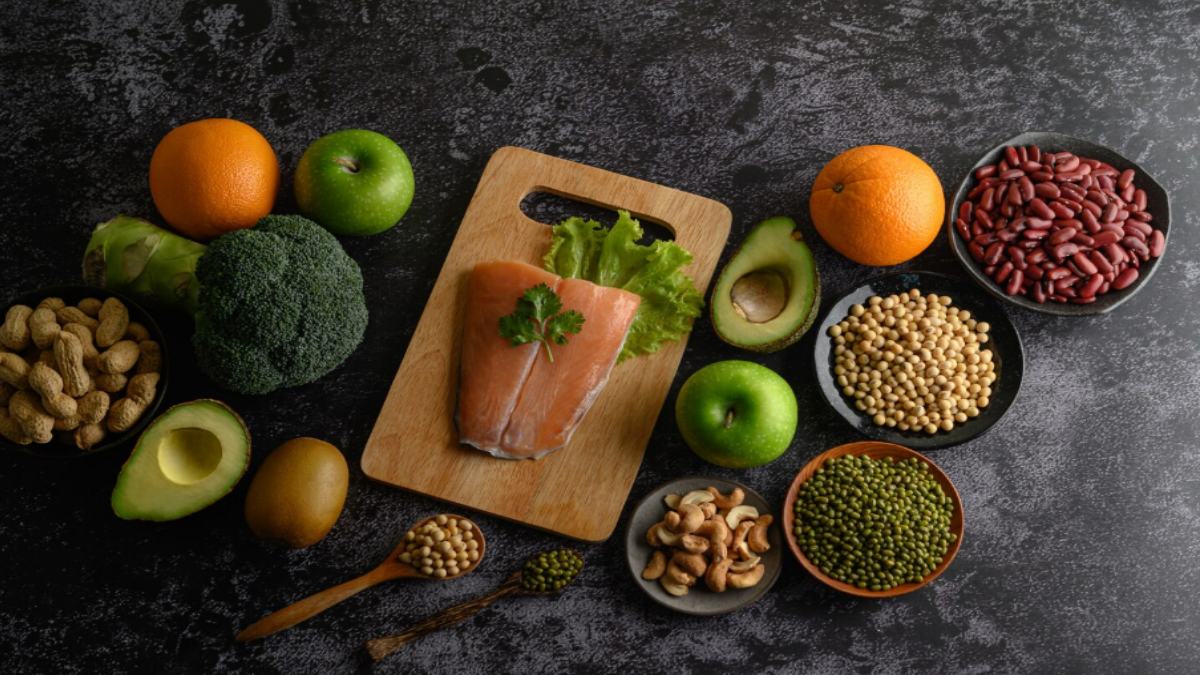
Protein needs vary according to age, activity level, body size, overall diet and health status. People with certain kidney conditions may need individualised dietary advice, and the source of protein matters too. Lean poultry, fish, beans, lentils, nuts and other minimally processed foods can fit into a heart-conscious eating pattern.
Myth 2: High-Protein Means Healthy
A food can be high in protein without being a healthy choice. Some highly processed meats may contain substantial protein while also contributing significant amounts of saturated fat or sodium.
Related Articles


Rather than focusing only on protein grams, consider the overall nutritional quality of the food and the broader dietary pattern.
Myth 3: Cholesterol Is Always Bad
Cholesterol has important functions in the body. The concern is primarily about unhealthy levels and the balance of different lipoproteins that transport cholesterol in the blood.
A person's cardiovascular risk cannot be determined by looking at one number alone. Blood pressure, smoking, diabetes, family history, age, lifestyle and other factors also matter.
Myth 4: Eating Fat Automatically Causes Heart Disease
Not all dietary fats have the same effect. Unsaturated fats found in foods such as nuts, seeds, avocados, olive oil and many fish can be part of a heart-healthy eating pattern.
The overall quality of the diet is more important than treating every source of fat as equally harmful.
Myth 5: You Need to Avoid All Carbohydrates
Carbohydrates are an important source of energy, but their quality matters. Highly refined foods and added sugars are different from fibre-rich foods such as vegetables, fruits, legumes and whole grains.
A heart-conscious diet does not necessarily require eliminating carbohydrates. Choosing nutrient-dense, minimally processed sources can be a more sustainable strategy.
Myth 6: Exercise Cancels Out an Unhealthy Diet
Regular physical activity offers substantial health benefits, but exercise should not be viewed as a complete counterbalance to a poor diet.
Heart health is influenced by multiple factors, including nutrition, physical activity, sleep, blood pressure, cholesterol, blood sugar, smoking status and body weight. A healthy routine works best when these areas are considered together.
Myth 7: If You Feel Fine, Your Heart Must Be Healthy
Heart disease can develop without obvious symptoms. High blood pressure and high cholesterol, for example, may go unnoticed for years.
Routine health checks can identify risk factors before they become more serious. People with relevant risk factors should discuss appropriate screening with a healthcare professional.
Myth 8: Salt Only Matters If You Have High Blood Pressure
Excess sodium can contribute to increased blood pressure in susceptible individuals, and many processed foods contain significant amounts of salt.
Reducing heavily processed and highly salted foods can therefore be a useful part of a heart-conscious dietary pattern, particularly for people advised to limit sodium.
Myth 9: Supplements Can Replace a Healthy Diet
Supplements may be appropriate in specific situations, but they should not be viewed as a replacement for nutritious food, regular activity and medical care.
Some supplements can also interact with medications or create risks at high doses. Anyone considering supplements for cardiovascular protection should discuss them with a qualified healthcare professional.
Myth 10: Heart Disease Is Only a Problem for Older Adults
Age is an important risk factor, but cardiovascular health is a lifelong concern. Habits developed earlier in adulthood including smoking, poor diet, physical inactivity and uncontrolled blood pressure can influence long-term risk.
Building healthy habits early can support cardiovascular wellbeing later in life.
So, Is a High-Protein Diet Right for You
The answer depends on the individual. Protein can be an important part of a balanced diet, particularly for people who are physically active or trying to maintain muscle. But a diet should not be judged by its protein content alone.
The source of the protein, overall calorie intake, fibre consumption, fat quality, sodium intake and existing health conditions all matter. A diet built primarily around highly processed meat, for example, is very different from one that gets protein from fish, legumes, dairy, nuts and other nutrient-rich foods.
Anyone with kidney disease, cardiovascular disease, diabetes or other medical conditions should seek personalised nutritional advice rather than adopting a high-protein diet based on social-media trends.
Ultimately, heart health is less about following one fashionable dietary rule and more about maintaining a consistent pattern of nutritious food, regular physical activity, adequate sleep, stress management and appropriate medical care. The most effective approach is one that is tailored to the individual and can be maintained over the long term.


Comments 0