Hormones are chemical messengers produced by the endocrine glands that regulate many essential functions in the body, including metabolism, growth, reproduction, mood, sleep, and energy levels. Even small changes in hormone levels can affect overall health and well-being. While hormone levels naturally fluctuate during different stages of life, persistent imbalances may signal an underlying medical condition that requires attention.
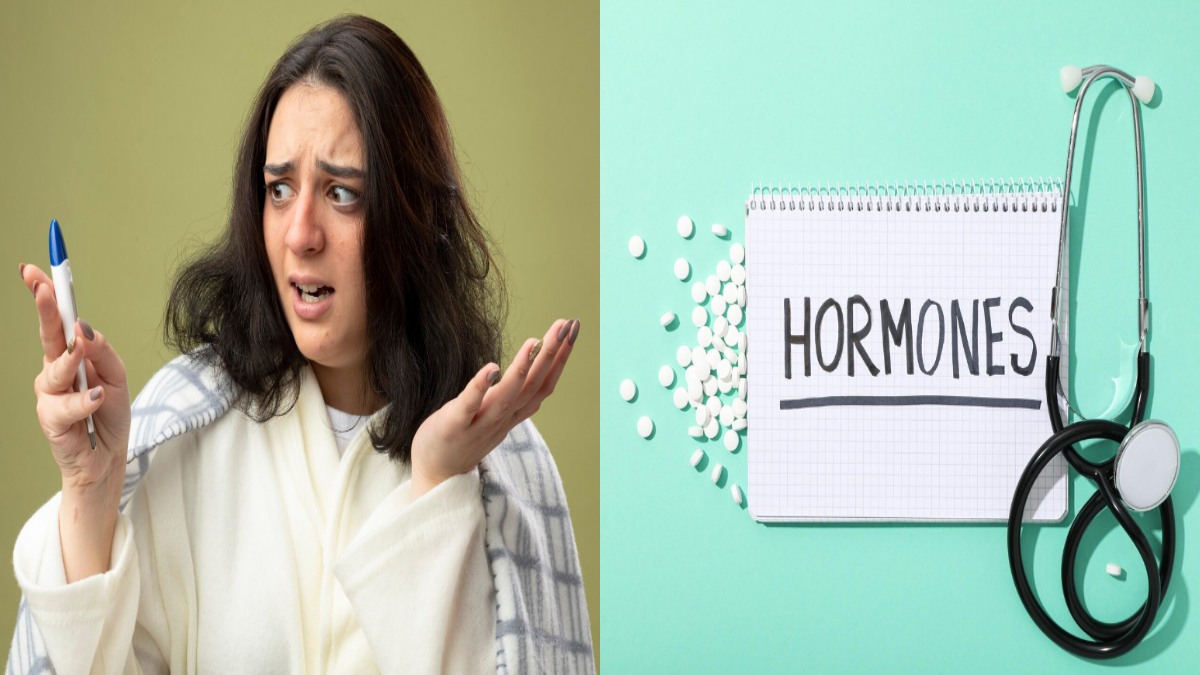
Hormonal imbalances can affect both women and men, although the symptoms often differ depending on which hormones are involved. Recognizing the early signs and seeking appropriate medical care can help manage symptoms and improve quality of life.
Common Symptoms of Hormonal Imbalance
The symptoms of hormonal imbalance vary depending on the affected hormone and the underlying cause. Some of the most common signs include:
Related Articles


1. Unexplained Weight Changes
Sudden weight gain or weight loss without significant changes in diet or physical activity may be linked to hormonal disorders. Conditions such as hypothyroidism, hyperthyroidism, and Cushing's syndrome can influence body weight.
2. Persistent Fatigue
Feeling constantly tired despite getting enough sleep can sometimes indicate hormonal issues. Low thyroid hormone levels, adrenal disorders, or changes in sex hormones may contribute to ongoing fatigue.
3. Mood Changes
Hormonal fluctuations can affect brain chemistry, leading to symptoms such as:
Related Articles


- Irritability
- Anxiety
- Depression
- Mood swings
- Difficulty concentrating
These symptoms are commonly seen during menopause, pregnancy, premenstrual syndrome (PMS), and certain endocrine disorders.
4. Irregular Menstrual Cycles
In women, irregular, missed, unusually heavy, or very light periods may suggest a hormonal imbalance. Common causes include polycystic ovary syndrome (PCOS), thyroid disorders, and perimenopause.
5. Acne and Skin Changes
Persistent acne beyond adolescence, especially along the jawline or chin, may be associated with increased androgen levels. Hormonal changes can also contribute to oily skin or changes in skin texture.
6. Hair Loss or Excess Hair Growth
Hormonal imbalances may cause thinning hair on the scalp or excessive hair growth on the face, chest, or abdomen, particularly in women with PCOS.
7. Sleep Problems
Hormones such as melatonin, cortisol, estrogen, and progesterone help regulate sleep. An imbalance may lead to insomnia, poor sleep quality, or frequent nighttime awakenings.
8. Changes in Libido
A decrease or increase in sexual desire may be linked to changes in estrogen, testosterone, or other reproductive hormones.
9. Digestive Issues
Some hormonal changes may affect digestion, causing symptoms such as bloating, constipation, diarrhea, or abdominal discomfort. These symptoms can have many causes, so medical evaluation is important.
10. Hot Flashes and Night Sweats
Hot flashes and excessive sweating are common symptoms during menopause due to declining estrogen levels. However, they may also occur in other hormonal conditions and should be evaluated if persistent or severe.
Common Causes of Hormonal Imbalance
Hormonal imbalances can result from various medical conditions and life stages, including:
- Polycystic ovary syndrome (PCOS)
- Thyroid disorders (hypothyroidism or hyperthyroidism)
- Diabetes
- Menopause and perimenopause
- Pregnancy and postpartum hormonal changes
- Chronic stress
- Obesity
- Certain medications
- Adrenal gland disorders
- Pituitary gland disorders
How Is Hormonal Imbalance Diagnosed
A healthcare provider will typically begin with a detailed medical history and physical examination. Depending on your symptoms, they may recommend:
- Blood tests to measure hormone levels
- Thyroid function tests
- Blood sugar testing
- Ultrasound (for suspected PCOS or ovarian conditions)
- Imaging studies such as MRI or CT scans in selected cases
The specific tests depend on the suspected underlying condition.
Treatment Options
Treatment focuses on addressing the underlying cause rather than simply relieving symptoms. Depending on the diagnosis, options may include:
- Hormone replacement therapy (when appropriate)
- Thyroid medications
- Medications to manage PCOS or diabetes
- Lifestyle modifications
- Weight management
- Stress reduction techniques
- Treatment of underlying endocrine disorders
Always follow a healthcare professional's guidance before starting hormone-related medications or supplements.
Lifestyle Tips to Support Hormonal Health
Healthy daily habits can support overall hormonal balance:
- Eat a balanced diet rich in fruits, vegetables, whole grains, lean protein, and healthy fats
- Exercise regularly with a combination of aerobic activity and strength training
- Maintain a healthy body weight
- Get 7–9 hours of quality sleep each night
- Manage stress through yoga, meditation, deep breathing, or other relaxation techniques
- Limit excessive alcohol intake and avoid tobacco use
- Stay hydrated throughout the day
When to See a Doctor
Consult a healthcare professional if you experience:
- Persistent fatigue
- Significant or unexplained weight changes
- Irregular menstrual cycles
- Severe acne or excessive hair loss
- Hot flashes that interfere with daily life
- Difficulty conceiving
- Ongoing mood changes or depression
- Any symptoms that are severe, worsening, or affecting your quality of life
Early diagnosis and treatment can help prevent complications and improve long-term health.
Hormonal imbalances can affect nearly every aspect of your physical and emotional well-being, but many conditions are manageable with the right diagnosis and treatment. Symptoms such as fatigue, weight changes, irregular periods, mood swings, acne, and sleep disturbances should not be ignored if they persist.
By maintaining a healthy lifestyle, paying attention to changes in your body, and seeking medical advice when needed, you can take proactive steps toward better hormonal health. If you suspect a hormonal imbalance, consult a qualified healthcare provider for a proper evaluation and personalized treatment plan.


Sign in to ItzLyfe

Your Next Story Starts Here
Get the latest lifestyle stories, horoscope, fashion, travel, cookery, and health updates—all in one place.
By signing in, you agree to our Privacy Policy.
Comments 0