
Panthers are used for the first time and to move from pads or tampons to a period cup can be very abrupt. Rather than absorbing menstrual blood, a menstrual cup is a reusable, flexible device that is inserted into the vagina and collects menstrual flow. For many people, the first time can be a learning curve that can be a little uncomfortable, including the right position, the insertion method, and removal.
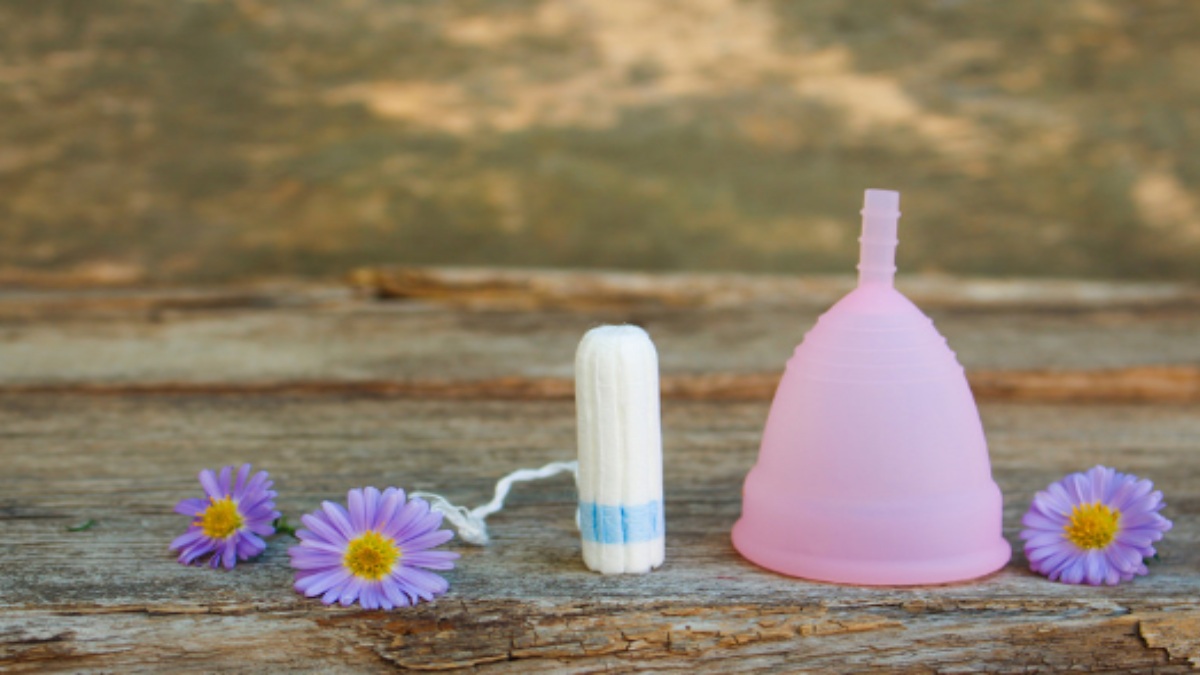
How much better is a period cup
Gynaecologists generally consider menstrual cups as safe for most people if they’re properly used and kept clean. But they are not automatically the best choice for everyone; comfort, anatomy, menstrual flow, lifestyle, and personal taste all matter.
What is a period cup
A menstrual cup is usually made of medical-grade silicone or another flexible material. It’s folded and inserted into the vagina where it opens to provide a seal to collect menstrual blood.
Related Articles


Like a pad which sits outside the body and a tampon which absorbs blood, a menstrual cup collects the flow.
Based on the product, menstrual cups can generally be worn for several hours at a time. However, the user should follow the manufacturer's instructions for maximum wear time and cleaning.
What Can You Expect the First Time
The first attempt may not seem effortless.
Related Articles


Many first-time users need a few menstrual cycles to get comfortable with inserting and removing. Finding the right folding technique and position is going to take practice.
As a result, it is important not to force the cup into place. A comfortable position that relaxes the pelvic floor will help with insertion.
If the cup is inserted properly, you generally should not feel significant discomfort while wearing it.
Persistent pain, difficulty inserting or removing the cup, or unusual symptoms should be discussed with a healthcare professional.
Potential benefits of a Menstrual Cup.
A big benefit is that a menstrual cup is reusable. A good-quality cup can be used often, potentially reducing menstrual waste compared to disposable products.
It’s also convenient for people who prefer not to carry multiple pads and tampons throughout the day.
Cups collect menstrual blood rather than absorb it, and some users experience less dryness than with tampons. However, individual experiences vary.
Another benefit is that menstrual cups hold a relatively large amount of fluid, although the exact capacity differs between products.
Is it more hygienic than Pads or Tampons
There is no basic rule that one menstrual product is always more hygienic than another.
A menstrual cup can be safe when it is cleaned, stored, and used according to instructions. Poor hygiene, however, can increase the risk of irritation or infection.
Before handling the cup, wash your hands thoroughly. Clean the cup as recommended by the manufacturer, and sterilize it between menstrual cycles when the product instructions call for this.
Never share a menstrual cup with another person.
Can a Period Cup cause Toxic Shock Syndrome
Toxic shock syndrome (TSS) is a rare but serious condition associated with certain bacterial infections. Although TSS is more commonly discussed in connection with tampons, rare cases have also been reported in menstrual cup users.
This is why users should follow the manufacturer’s guidelines for wear time and hygiene.
Seek urgent medical attention if you develop symptoms such as sudden high fever, vomiting, diarrhea, dizziness, fainting, a rash, or rapidly worsening illness while using a menstrual product.
Choosing the Right Cup
Menstrual cups are available in many sizes, shapes, firmness levels, and capacities.
The best option depends on factors such as menstrual flow, age, pelvic anatomy, previous childbirth, and personal comfort.
A larger cup is not necessarily better; choosing based on a generic size chart may not guarantee a comfortable fit.
If you repeatedly experience leaking or discomfort, you may need to reassess the cup's size, position, or firmness.
What about people with IUDs
People who use an intrauterine device (IUD) should discuss menstrual cup use with their healthcare provider.
There have been reports of IUD displacement or expulsion associated with menstrual cup use, although the evidence is still evolving. The technique used to break the cup’s seal before removal is particularly important.
Do not pull the IUD string or remove the cup forcefully.
Period Cups and Heavy Menstrual Bleeding
A menstrual cup can collect menstrual blood, but it does not treat the underlying cause of heavy periods.
If you soak through menstrual products unusually quickly, pass very large clots, experience prolonged bleeding, or feel unusually tired or weak during your periods, talk to a gynaecologist.
Heavy menstrual bleeding can sometimes be linked to conditions such as fibroids, hormonal disorders, bleeding disorders, or other health problems.
Can Teenagers use Menstrual Cups
Menstrual cups may be an option for teenagers and young people who menstruate, provided they are comfortable using an internal menstrual product.
There is no need to rush the transition. Education, consent, comfort, and proper hygiene are more important than age alone.
A healthcare professional can answer questions about anatomy, discomfort, or concerns about using an internal menstrual product.
Period Cups Are Not Necessarily “Better” for Everyone
The idea that menstrual cups are universally better than pads or tampons is misleading.
For some people, cups may be more economical, environmentally friendly, and convenient. Others may prefer disposable products because they are easier to use or because internal products are uncomfortable.
There is no medically required menstrual product that everyone must use.
The best option is one that you can use safely, comfortably, and hygienically.
Trying a period cup for the first time can take some patience. While menstrual cups can offer benefits such as reusability, convenience, and potentially lower long-term costs, they require proper insertion, removal, and cleaning.
Gynaecologists generally regard menstrual cups as a safe menstrual management option for many people when used correctly. However, persistent pain, unusual discharge, irritation, difficulty removing the cup, or very heavy menstrual bleeding should not be ignored.
Ultimately, choosing between a menstrual cup, pads, tampons, or other period products is a personal decision. What matters most is understanding how to use the product safely and choosing an option that suits your body and lifestyle.


Comments 0