
Immunity is a natural defence mechanism of the body against harmful bacteria, viruses, fungi, parasites that cause disease and other disease, and is what protects people from infection. A strong immune system helps identify the attackers, fight them and get rid of them faster. No one can completely avoid germs and keeping a healthy immune system cuts down on the risk of infection and is very good for health.
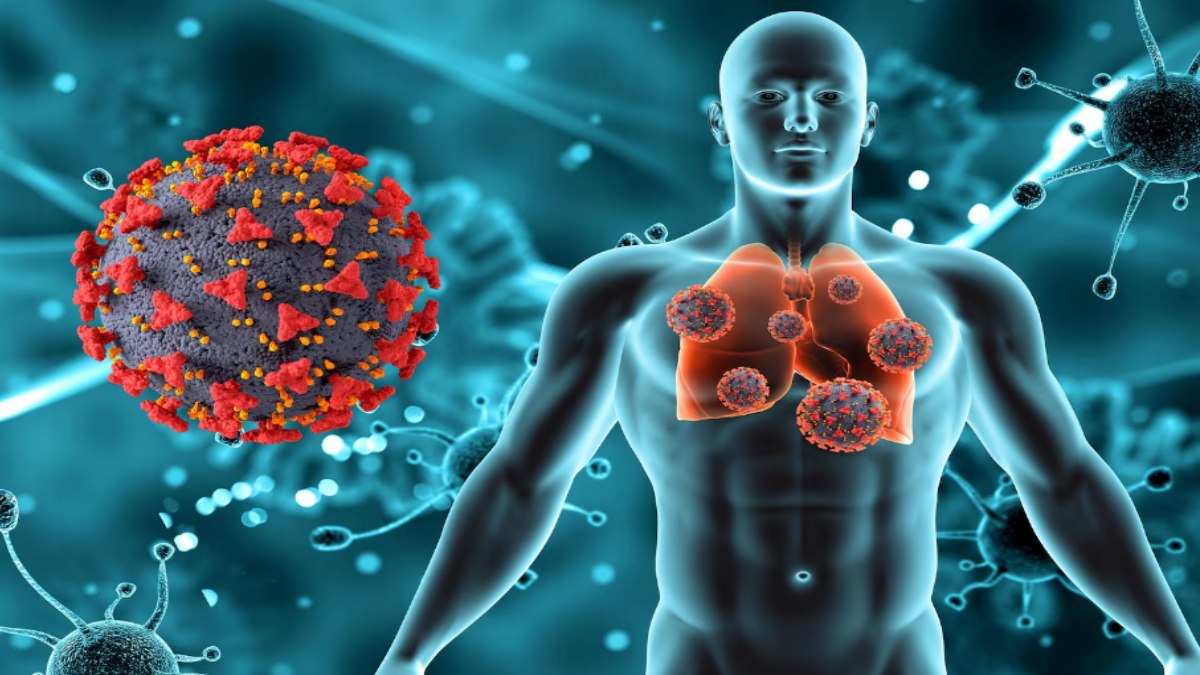
The immune system is an integrated network of cells, tissues, organs and proteins that are all working in harmony to help defend the body. White blood cells, antibodies, lymphatics, bone marrow, and spleen are all fundamental parts of immunity. When working properly this system recognizes threats and removes them and it can eradicate them before they become serious health problems.
Types of Immunity
There are two types of immunity:
Related Articles


1. Innate Immunity
Innate immunity is the body’s first line of defense and is present from birth. It includes the skin, mucous membranes, stomach acid, and immune cells that respond immediately to harmful pathogens.
2. Adaptive Immunity
Adaptive immunity develops over time after exposure to infections or vaccinations. It remembers past invaders and the immune system is able to respond quicker and more effectively when the same pathogen enters the body again.
Why is Immunity important
A healthy immune system does much more than prevent the common cold. It plays a critical role in protecting the body from different illnesses and maintaining overall health.
Related Articles


Some major benefits include:
- Protects against bacterial and viral infections
- Speeds up recovery from illness
- Reduces severity of infections
- Helps control wound healing
- Prevention of chronic inflammation
- Detects and removes abnormal cells
- Long-term health and vitality
If immunity is weak, the body is more susceptible to infections, fatigue and slow healing.
Signs of weak immune system
Several symptoms may suggest your immune system needs extra support, including:
- Frequent colds or infections
- Slow wound healing
- Constant fatigue
- Digestive problems
- Recurrent fever
- Persistent allergies
- Frequent skin infections
- Long recovery periods after illness
If these symptoms occur regularly, we suggest that a healthcare professional is contacted.
Foods That Help Boost Immunity
Nutrition is one of the most effective ways of supporting immune health. A balanced diet provides the vitamins and minerals necessary for proper immune function.
Include these foods regularly:
- Citrus fruits like oranges, lemons and grapefruits for Vitamin C
- Berries rich in antioxidants
- Leafy green vegetables like spinach and kale
- Garlic and ginger for their antimicrobial properties
- Probiotics for gut health in yogurt
- Almonds and sunflower seeds for Vitamin E
- Eggs for protein and essential nutrients
- Fatty fish such as salmon for Omega-3 fatty acids
- Turmeric with its anti-inflammatory compound curcumin
- Green tea rich in antioxidants
Drinking enough water is equally important to maintaining healthy body functions and the immune system.
Lifestyle Habits That Strengthen Immunity
Healthy habits on a regular basis will contribute to protection from a weakened immune system.
Exercise Regularly
Moderate physical activity improves blood circulation and enhances immune cells’ movement throughout the body. Aim for at least 150 minutes of exercise each week.
Get Enough Sleep
Adults should sleep between 7 to 9 hours a night. Poor sleep weakens immune responses and increases susceptibility to illness.
Manage Stress
Chronic stress raises cortisol levels, which may suppress immune function. Meditation, yoga, deep breathing and being in nature are some ways to relieve stress.
Stay Hydrated
Water carries nutrients and removes toxins and serves as a source of normal body functions which are critical to immunity.
Avoid Smoking and Limit Alcohol
Smoking destroys the lungs and immune defenses, while excessive alcohol weakens the body's ability to fight infections.
Maintain Good Hygiene
Simple habits like washing hands regularly, covering coughs and sneezes, and keeping vaccinations up to date reduce exposure to harmful germs.
Essential Nutrients for Immune Health
Some vitamins and minerals are particularly helpful to a strong immunity:
- Vitamin C
- Vitamin D
- Vitamin A
- Vitamin E
- Zinc
- Selenium
- Iron
- Protein
- Omega-3 fatty acids
If possible, obtain these nutrients from a balanced diet. Supplements should only be taken under the care of a healthcare professional if deficiencies exist.
Immunity is the bedrock of healthy living and is the natural defense against infections and diseases. And while no single food or supplement can be used to guarantee perfect immunity, it is a healthy lifestyle that can actually help to build up the body’s defense system. Eating healthy, getting enough sleep, managing stress, drinking well and keeping good hygiene all contribute to good immune function. You can make these habits a daily routine and develop a healthier, more energetic immune system.


Comments 0