
And weight loss does not necessarily involve eating expensive superfoods, going on a diet of high-fat, fast and excessive fasting or giving up carbohydrates. A balanced Indian diet of vegetables, fruits, pulses, whole grains, nuts and adequate protein can lead to healthy eating and weight management.
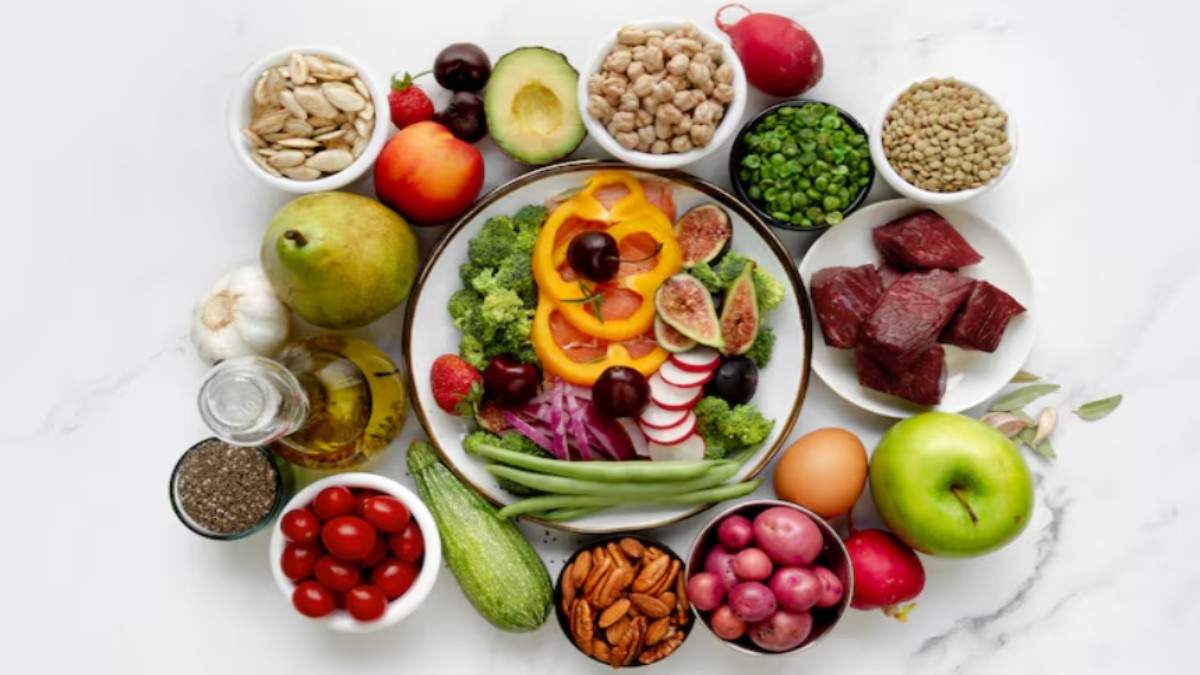
The ICMR-National Institute of Nutrition’s Dietary Guidelines for Indians 2024 emphasize diversity of diet and balanced eating. WHO also advises for a diet based on vegetables, fruits, legumes, nuts and whole grains and avoiding foods high in free sugars, unhealthy fats and salt.
Start your day with a healthy breakfast.
Breakfast can be vegetable poha, upma with vegetables, idli with sambar, vegetable oats, besan chilla or two eggs with whole-wheat roti. Unsweetened curd can also be added for protein.
Related Articles


Part of breakfast is portion control and avoiding eating junk food, deep-fried foods or highly processed snacks.
Choose Protein-Rich Indian Foods
Protein can help make meals more satisfying. Vegetarians can include dal, rajma, chana, sprouts, soy products, paneer and curd. Eggs, fish and lean chicken are options for non-vegetarians.
ICMR-NIN guidance recommends including pulses, nuts, milk and eggs as part of a wide range of diet to meet nutritional needs.
Related Articles


Build a Balanced Lunch
A simple weight-loss-friendly lunch could consist of two small rotis or a moderate serving of rice, dal or another protein source, lots of vegetables and curd.
Brown rice and millets can be used as alternatives to refined grains, but portion size is still important. Healthy foods may still contribute calories when eaten in very large quantities.
Make dinner light but satisfying.
Dinner does not have to be skipped. Options include vegetarian soup with paneer, dal with vegetables, grilled fish with salad, or two small rotis with a vegetable preparation and protein source.
You can avoid fried snacks, sweets, sugary drinks and heavily processed foods being regular parts of the evening meal.
Smart Snacks Can Prevent Overeating
Instead of biscuits, chips or sugary beverages, choose fruit, roasted chana, a small portion of nuts, sprouts, buttermilk or unsweetened curd.
In particular, WHO recommends whole grains, vegetables, fruits and pulses as important sources of carbohydrates and recommends avoiding free sugars.
Portion Control Matters
As a strategy, vegetables should be a major part of meals while including appropriate portions of protein and grains. ICMR-NIN's “My Plate for the Day” promotes variety in food groups instead of a single food or restrictive diet.
Drinking enough water, getting regular physical activity and maintaining adequate sleep can help in dietary changes.
Avoid extreme diets for quick results.
Crash diets can be hard to sustain and it’s often difficult to maintain healthy eating habits. A gradual approach of eating healthy meals and proportionate portions is more practical.
Prior to any major dietary change, people with diabetes, kidney disease, pregnancy, eating disorders or other medical conditions should seek individualized advice from a qualified healthcare professional.
The Bottom Line
A good diet for Indian weight-loss would include dal, roti, rice, vegetables, fruits, curd, eggs, fish, paneer and millets. The focus should be on balance, variety, portion control and avoiding highly processed foods rather than eliminating the staples.

Comments 0