
India's traditional food plate is changing. While rice, roti, potatoes and other carbohydrate-rich foods continue to dominate everyday meals, experts say they are worried that protein and other essential nutrients are not getting to the plate, and so are many of its most important ingredients.
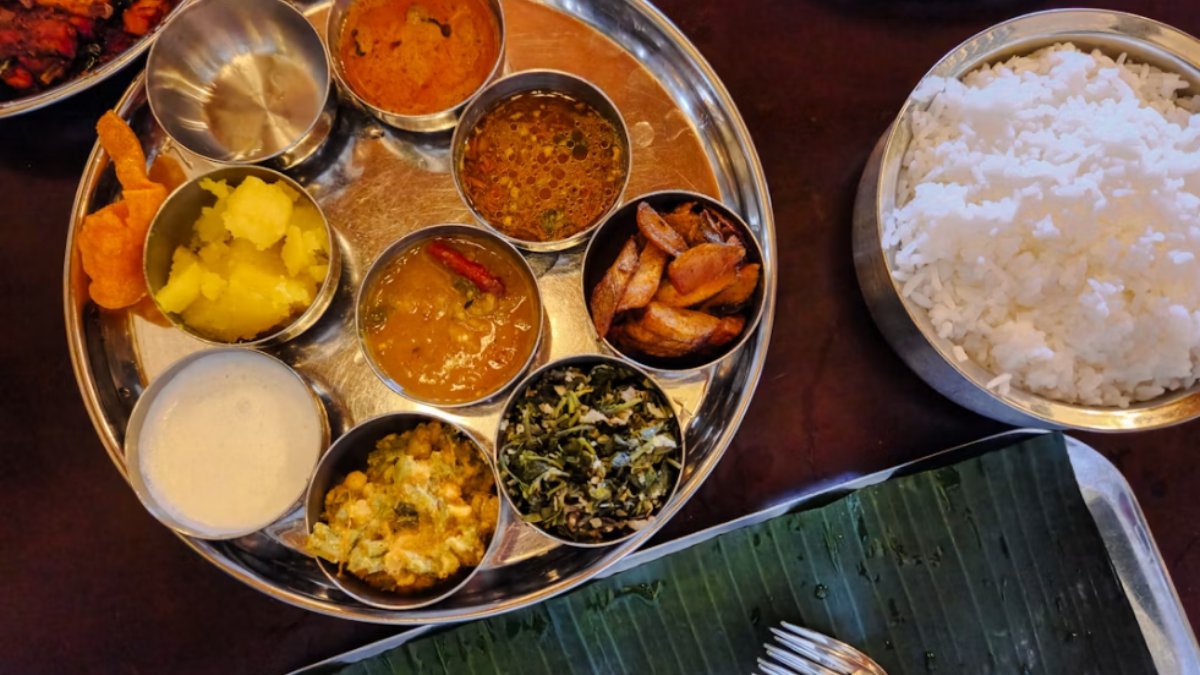
The problem is not that carbohydrates are bad. Carbohydrates are an important source of energy and have been an integral part of India’s diets for centuries. The problem can occur when multiple carbohydrate-heavy foods are eaten together while protein, vegetables and fibre are hardly considered.
A nutritional imbalance that may have long-term health effects has been brought to light in recent conversations about India's changing dietary patterns. The average Indian diet consisted mostly of carbohydrates (62% of daily calories) with relatively little protein and good fats, an ICMR-backed study found.
Related Articles


Why Indian Meals Can Become Carb-Heavy
For many Indians, a typical meal would be rice or rotis along with potatoes, dal, and other carbohydrate-rich foods.
Rice and roti are served at the same meal in some households. Adding a potato-based vegetable or another starchy food can increase the carbohydrate content further.
There is nothing wrong with eating rice, roti or potatoes. The issue is the composition of the meal.
Related Articles


For instance, a plate of rotis, rice and potato curry can provide a lot of carbohydrates but relatively little protein if the dal, curd, paneer, eggs or another protein source is small.
This is even more significant when similar meals are eaten each day.
Protein is Frequently Put to the Back Burner
Protein is important for many functions in the body. It is used for tissue to be built and repaired, muscles to strengthen and is important in normal immune function.
Protein, however, can get less attention in traditional Indian meals.
Dal is commonly considered a protein source in vegetarian households. But the amount of protein a person gets depends on the quantity and preparation of the dal. A thin serving could give much less protein than a larger, thicker portion.
Other options include milk, curd, paneer, eggs, fish, chicken, soy, chickpeas, kidney beans, peanuts and other legumes.
Nutritionists say that one or more of these foods can make meals more balanced, consciously.
Rice And Roti Are Not The Enemy
Experts are not suggesting that Indians should completely stop eating rice or roti.
But both can be part of a healthy diet. Rice provides carbohydrates and energy; whole wheat roti can provide carbohydrates, fibre and other nutrients.
Portion size and what accompanies these foods are the bigger concern, they said.
A meal with a reasonable portion of rice or roti, lots of vegetables and good protein is nutritionally different from a meal dominated by multiple servings of rice, roti and potatoes.
A previous analysis of Indian eating patterns also highlighted how meals containing rice, roti and potatoes can become heavily carbohydrate-focused when protein-rich foods are present only in small quantities.
Modern Lifestyle Makes the Issue More Significant
Dietary habits can be seen as a continuum with lifestyle.
Many Indians now spend long hours sitting at work, commuting, or studying. Physical activity may also be lower than it was for previous generations.
So, on the other hand, convenient packaged foods, refined carbohydrates, sugary drinks and processed snacks have become easier to access.
This combination can make it easier to consume more calories without getting enough protein, fibre and micronutrients.
Researchers have identified poor dietary patterns as a cause of obesity, diabetes, and other metabolic diseases. But diet is only one factor, and individual nutritional needs can vary considerably.
The Indian government has also stressed the importance of avoiding oversimplified nutrition advice. In April 2026, the Ministry of Science and Technology emphasized that there is no “one-size-fits-all” diet that works for everyone, and that metabolism, lifestyle and dietary needs matter.
How Can India Make Its Plates More Balanced?
The solution does not necessarily require the removal of traditional Indian food.
Small changes can make a meal more nutritionally balanced.
Instead of having large portions of both rice and roti, a person can choose a reasonable portion of one staple and increase the amount of vegetables and protein.
A thicker dal, a bowl of curd, paneer, eggs, fish, chicken, chana or other legumes can increase the protein content of a meal.
Vegetables and salads can also occupy a larger part of the plate. In general, whole grains may be included in the diet, and sugary drinks and highly processed snacks should be limited.
The goal is not to remove carbohydrates. It is to prevent them from crowding out other important nutrients.
What Could a Better Everyday Plate Look Like?
But balance is as easy to think about as it is to think about balance instead of calories.
A large portion of the plate can be vegetables and salad. Another portion of food could be protein-rich like dal, paneer, eggs, curd, fish, chicken or beans. The rest of the food may be rice, roti or some other carbohydrate source.
Healthy fats from foods such as nuts and seeds can also be included in moderate amounts.
The nutritional value of the food is also improved, and people can still eat the same Indian food.
The Bottom Line
India’s daily plate is not necessarily unhealthy because it has rice, roti or other carbohydrates. The bigger question, of course, is what happens when carbohydrate-rich foods dominate the meal and protein, vegetables and fibre are secondary.
So instead, it is said to be balance that matters rather than restriction.
Most people don’t want to give up rice or roti. So, in most cases, they have to look at the whole plate, control portions of food and make sure protein and vegetables are given enough attention and that they are included.
Traditional meals may also need some rethinking in India’s changing lifestyles. The familiar plate can be well-loved, but more balanced and nutritious.


Comments 0