
Indian restaurant menus are evolving as diners give up the traditional concept of ordering one big main course. The smaller portions, shared plates and greater variety of foods in the restaurant scene are becoming more visible all over the table and customers are taking more chances to try more than one food at the same time.
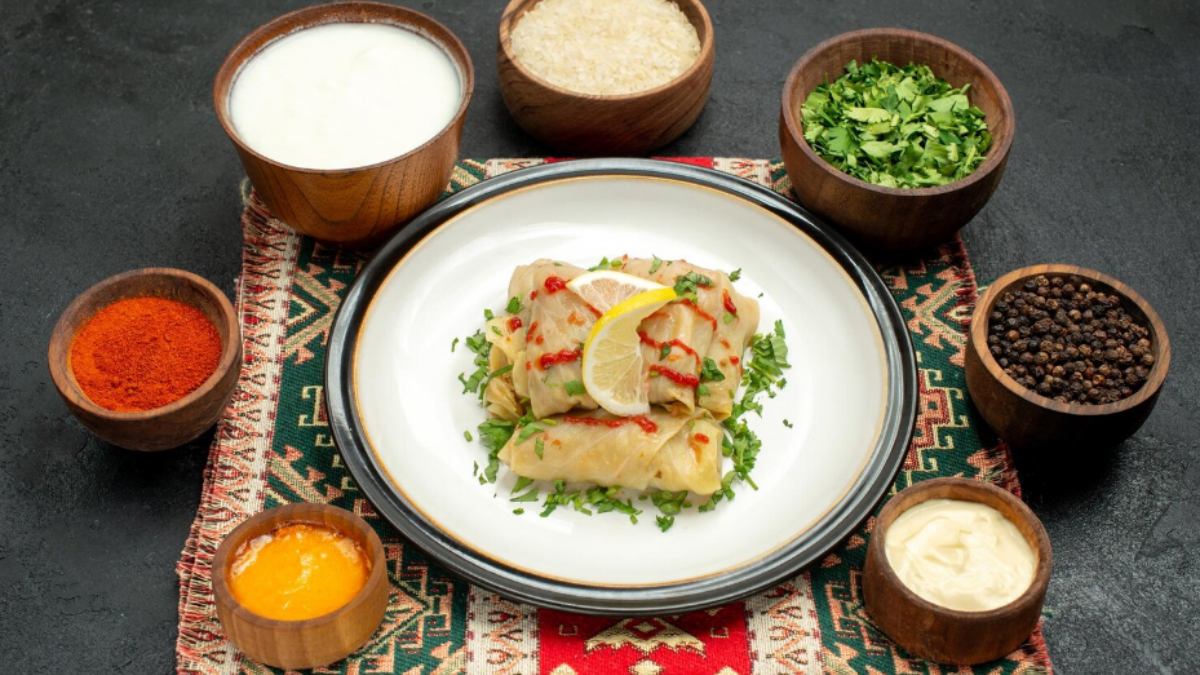
The change is not only about serving less food. It is also representative of an entire shift in how customers want to eat at restaurants. Instead of having one big meal, customers order multiple smaller ones and share them across the table.
For a cuisine as diverse as Indian food, this approach also makes it easier to explore dishes from different regions and cooking traditions.
Related Articles


Small plates make variety easier.
The most significant attraction of smaller plates is choice. When portions are smaller, a group can order several dishes without having to commit to a full serving of each one.
This works particularly well for Indian cuisine: one menu can include everything from kebabs and chaats to regional curries, breads and desserts. So a table can then be a whole host of different flavours rather than a single main course.
And the trend fits the way many modern diners approach restaurants. When the portion is smaller and can be shared with others, trying something new is less of a risk.
Related Articles


A meal can turn into a tasting experience in which people move from one dish to another, not one item from beginning to end.
Diners Want More Than One Flavour
Indian cuisine is naturally diverse because of its regional variety. Food from Punjab, Bengal, Kerala, Rajasthan, Andhra Pradesh and other parts of India can have very different ingredients, cooking techniques and flavours.
Restaurants increasingly can make use of that diversity to develop menus that promote exploration. A smaller plate may allow diners to sample a dish that they might have skipped in the past because they don’t know if they are going to enjoy it.
This is especially useful for groups with different preferences. One person can choose a spicy dish, another can opt for something milder, while the whole table can still share the food.
The result is a more flexible dining experience.
Sharing Is Becoming Part Of The Experience.
Small plates also encourage people to share food rather than ordering separately.
Instead of each diner having an individual main course, the dishes can be served together. Friends and family can eat bits and pieces of everything, taste their favourite dishes and order more of what they enjoy.
This kind of dining can also make the restaurant experience more social. Food becomes something discussed collectively as opposed to just a single meal.
The trend is not entirely new. Indian dining has long featured shared dishes, thalis and meals made up of multiple preparations. What is changing is the way restaurants are presenting that idea in contemporary formats.
Restaurants Are Rethinking Their Menus
The move to smaller plates also allows restaurants more flexibility when designing menus.
A restaurant can serve more dishes without expecting every customer to order a full meal. It can experiment with regional recipes, seasonal flavours and new interpretations of established food.
Smaller formats can also make it easier for diners to discover dishes that may not otherwise receive much attention on a traditional menu.
At the same time, restaurants need to balance variety with quality. A longer list of dishes does not automatically make a better dining experience. The food does have to be well-prepared, and the menu has to work as a whole.
And with the increasing focus on smaller, more focused dining spaces, the demand for quality, authenticity and personal experiences is in line with the larger trend for dining spaces rather than scale.
A Better Fit For Modern Dining Habits
Another reason the small-plate format works is that dining habits are changing. People are looking for experiences that let them try something new to avoid the starter-main course-dessert structure.
Smaller portions can also be just fine for casual meals, group outings, and occasions where diners want to sample several dishes without feeling overly full.
And for restaurants, that means more exploration of food might be possible. For customers, it means they can see more of a lot more of the menu in one visit.
The idea is also consistent with the evolution in Indian dining as diners are showing greater curiosity about regional cuisines and dishes that aren’t commonly known. Recent food trends, for instance, show a strong appetite for South Indian regional dishes such as Chettinad, Malabar and Andhra preparations rather than limiting the category to idli, dosa and vada.
Small Plates Could Shape The Next Dining Trend
The rise of small plates does not mean large portions or traditional restaurant meals are disappearing. Instead, it gives diners another way to order and experience food.
For Indian restaurants, the format is extremely promising as the country has a huge variety of flavours and regional specialties already.
The appeal is relatively simple: smaller plates allow diners to try more. As restaurants continue experimenting with menus and customers become more interested in variety, shared dining and regional food, the small-plate format could become an increasingly familiar part of India’s restaurant culture.


Comments 0