
As Krishna Janmashtami 2026 approaches, devotees across India are preparing to celebrate the birth of Lord Krishna with prayers, devotional songs, temple visits and fasting. For many devotees, observing a vrat is an important part of the festival. However, fasting traditions can differ depending on family customs, regional practices and the particular religious tradition being followed.
In 2026, Janmashtami will primarily be observed on Friday, September 4, although some Vaishnava traditions and temples may observe the festival on September 5 because of differences in how the tithi and Rohini Nakshatra are considered.
For devotees planning to observe the fast, understanding what can be eaten, which foods are traditionally avoided and when the fast should be broken can help make the observance easier.
Related Articles


What Is Janmashtami Vrat
Janmashtami vrat is traditionally observed in honour of Lord Krishna and is associated with devotion, prayer and self-discipline. Some devotees observe a strict Nirjala fast, avoiding both food and water, while others follow a Phalahar fast, consuming fruits, milk and permitted fasting foods during the day.
The choice of fasting method can depend on an individual's tradition and physical capacity. Devotees should not assume that an extremely restrictive fast is necessary for everyone. Those who are unable to observe a strict fast can follow a lighter form of vrat according to their circumstances and family tradition.
What Can You Eat During Janmashtami Vrat
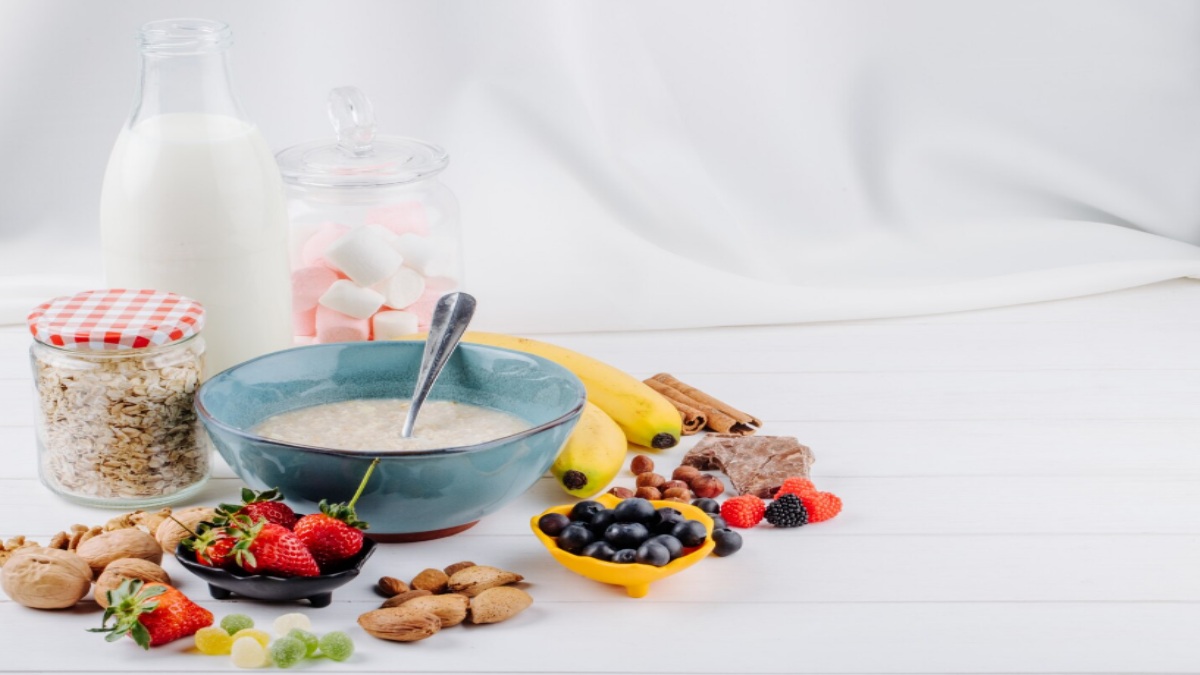
For devotees following a fruit-based or partial fast, several foods are commonly considered suitable. Fresh fruits, milk, curd, nuts, makhana and coconut are popular choices. Some fasting traditions also permit foods prepared with sabudana, kuttu flour or singhara flour.
Related Articles


Potatoes and other permitted root vegetables may also be consumed according to individual traditions. Sendha namak, or rock salt, is commonly used instead of ordinary table salt during vrat.
Makhana can be roasted and eaten as a light snack, while fruits can help provide energy throughout the day. Milk and curd are also commonly included in vrat meals. Devotees may prepare dishes such as sabudana khichdi, fruit chaat, kuttu preparations or singhara-based foods, depending on their customary fasting rules.
Foods Traditionally Avoided During the Vrat
During a traditional Janmashtami fast, devotees generally avoid regular grains such as wheat and rice. Pulses and legumes are also commonly excluded from fasting meals.
Many vrat traditions also avoid ordinary table salt, onion, garlic and non-vegetarian food. Alcohol and heavily processed foods are generally inconsistent with the sattvic nature of the observance.
The purpose of the vrat is not simply to change the daily diet but to encourage spiritual focus and discipline. Many devotees therefore also try to avoid anger, arguments and negative thoughts during the fasting period.
When Should Janmashtami Fast Be Broken
One of the most common questions surrounding Janmashtami is when the vrat should be broken. Since Lord Krishna is traditionally believed to have been born around midnight, many devotees continue their fast until the Nishita Kaal, perform the midnight puja and then follow their tradition regarding Parana.
According to Panchang-based guidance, Janmashtami Parana is generally performed on the following day after sunrise, once the relevant Ashtami Tithi and Rohini Nakshatra conditions have ended. If those conditions extend beyond sunrise or into the daytime, the appropriate Parana time can vary according to the local Panchang.
For 2026, the Nishita period falls around midnight between September 4 and September 5. One Panchang calculation for Ujjain places Nishita Kaal at approximately 12:02 AM to 12:49 AM on September 5, while the precise timings can vary by location.
Therefore, devotees should check the local Panchang or their temple's announced timings before deciding exactly when to break the fast.
How to Break the Fast
After a long period without food, devotees are generally advised to avoid immediately eating a very heavy meal. A gradual approach can be more comfortable. Fruits, milk or another light permitted food can be consumed first, followed by a normal sattvic meal according to one's tradition.
The spiritual significance of Parana is as important as the food itself. Devotees traditionally offer prayers and food to Lord Krishna before eating and receive the offering as prasadam.
Janmashtami Vrat Should Be Observed According to Tradition
There is no single fasting method followed by every devotee. Customs differ between regions, communities and religious traditions. Some people observe a complete fast, while others consume fruits and dairy products throughout the day.
People who are pregnant, elderly, have diabetes or other medical conditions, or take regular medication should not undertake a restrictive or waterless fast without appropriate medical guidance. Religious observance should be balanced with personal health and safety.
Ultimately, Janmashtami vrat is about devotion, discipline and remembering Lord Krishna, rather than simply going without food. By following their family or community tradition, choosing suitable foods and checking the correct local Parana timing, devotees can observe the festival in a meaningful and safe manner.
Fasting practices and timings can vary by location and tradition. Devotees should consult their local Panchang or temple for the exact 2026 timings.


Comments 0