
Japan has reached a major longevity milestone with the number of people aged 100 and above at 107,677 in 2026. Japan’s Ministry of Health, Labour and Welfare said that figure rose by 7,914 from the previous year and crossed 100,000 for the first time since records were started in 1963.
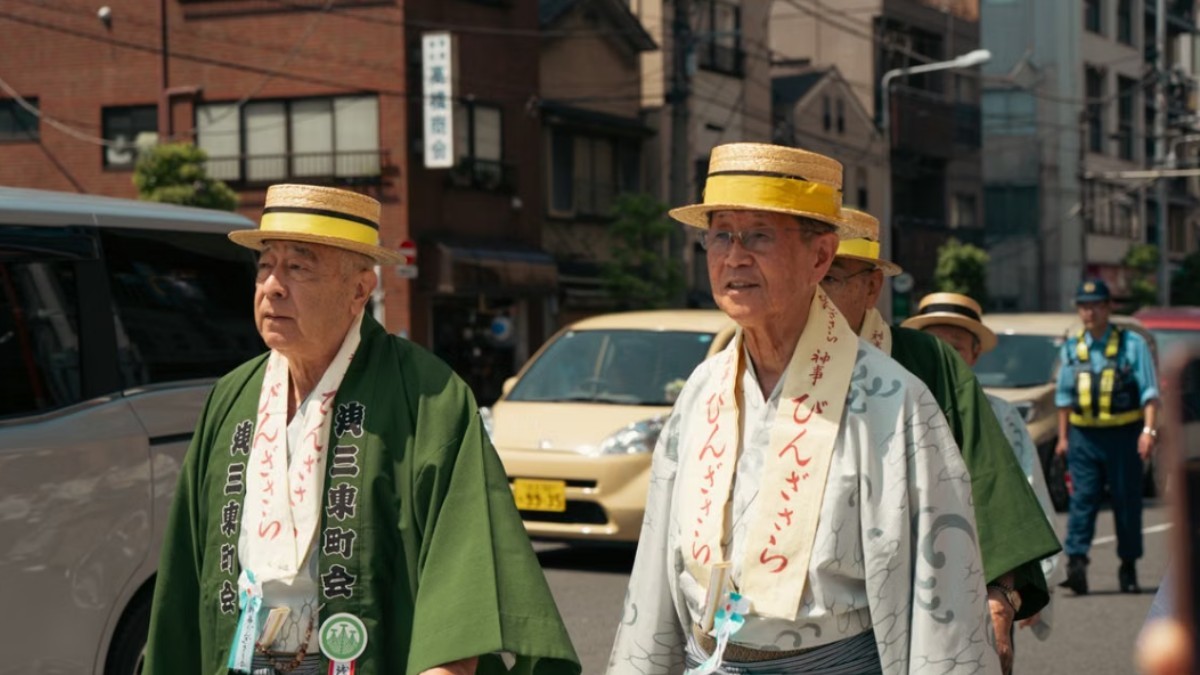
Women make up the vast majority of the country’s centenarian population. The latest figures reveal 94,298 women and 13,379 men aged 100 or older, which is 87.6 per cent of the total. The ministry said the number of centenarians has increased for the 56th consecutive year.
The change is especially striking compared with Japan’s earlier statistics. There were just 153 people aged 100 or older when the government began tracking centenarians in 1963. The number crossed 1,000 in 1981, more than 10,000 in 1998, and over 50,000 in 2012.
Related Articles


What could be the reason for Japan’s high longevity?
A Diet Built Around Fish, Plants And Moderation
There is no single food or eating habit that can explain why people live longer in Japan. Instead, researchers have also pointed to a combination of foods and dietary habits, low rates of obesity and overall public health improvements as reasons for the longer lives of Japan as well as a combination of dietary habits, lower obesity rates and greater public health gains.
Traditional Japanese eating habits include fish, soy products, vegetables, seaweed, rice, and other plant-based foods. Green tea is also commonly consumed. Japanese dietary patterns are associated with lower levels of some major health risks, but diet alone cannot determine how long an individual will live.
Related Articles


A review of Japan’s dietary and mortality trends has linked the country’s historically low mortality from conditions such as ischemic heart disease to relatively low obesity, lower consumption of red meat and saturated fats, and higher intake of fish and plant foods.
Portion size and eating habits are also mentioned in relation to Japanese longevity. The traditional idea of hara hachi bu (eating until one is about 80 per cent full) is frequently associated with moderation. However, it should not be considered as a scientifically proven formula for reaching 100.
Healthcare And Preventive Medicine
Lifestyle is only one part of the picture. Japan has also benefited from decades of improvements in healthcare, sanitation, nutrition and public health.
Japan’s Health Ministry says improvements in medical technology, public health, diet, housing and overall living standards have led to declining mortality and the country’s high levels of life expectancy and healthy life expectancy.
Researchers also cited widespread health screenings and access to healthcare as factors that could contribute to Japan’s longevity. Such systems can help identify health problems early and decrease chronic diseases’ impact on disease control.
Japan’s health minister Kenichiro Ueno also highlighted medical technology, lifestyle and diet when discussing the record number of centenarians this year.
Greater treatment for cardiovascular disease, cancer and other health problems can help many people live into advanced old age.
Staying Active May Matter More Than Intense Workouts
Another factor often associated with Japanese longevity is everyday physical activity.
Instead of going to the gym daily just for the purpose of fitness, an activity-based lifestyle might mean walking, public transport, household activities, and a lot of daily movement. And such habits help older people move and be independent.
Researchers studying longevity in Japan have also linked the country's relatively low obesity levels and healthier dietary patterns with lower mortality from several major diseases.
Social connections and having a sense of purpose are also frequently discussed when studying healthy ageing. Concepts like ikigai, often referred to as a sense of purpose or reason for living, have attracted global attention. But the idea should not be presented as a proven medical explanation for Japan’s high number of centenarians.
More than 100,000 Centenarians Also Means A Rapidly Ageing Population
Japan’s record number of centenarians is a remarkable longevity milestone, but it also illustrates a much larger demographic shift.
The country has one of the oldest populations in the world, with a vast majority of people in Japan already aged 65 or higher. But Japan has low birth rates and a shrinking working-age population at the same time.
The latest centenarian numbers therefore paint a mixed demographic picture. People are surviving to extremely old age, but the country also has to cope with the healthcare, pensions, social security, caregiving and pension needs of a rapidly aging population. Japan’s health minister has said keeping a sustainable social security system will be needed as the population continues to age.
The regional differences are also impressive. Japan had 87.51 centenarians per 100,000 people nationally. Shimane had 186.65 per 100,000 and Kochi 169.52, and Tottori 152.48.
At its heart, Japan’s longevity story does not seem to have one secret. A mixture of dietary habits, physical activity, relatively low obesity, preventive healthcare, medical advances and long-term improvements in living standards has helped create conditions in which more people can reach advanced ages.
Now, the challenge is to ensure those additional years are not only longer, but healthier and more independent. Japan’s record 107,677 centenarians serve as an illustration of how public health and demographic change intersect, and how societies prepare for longer lives more permanently.


Comments 0