
A meal isn’t required to be followed by hours of idle sitting. A walk after eating can be a good way to get more movement in your day.
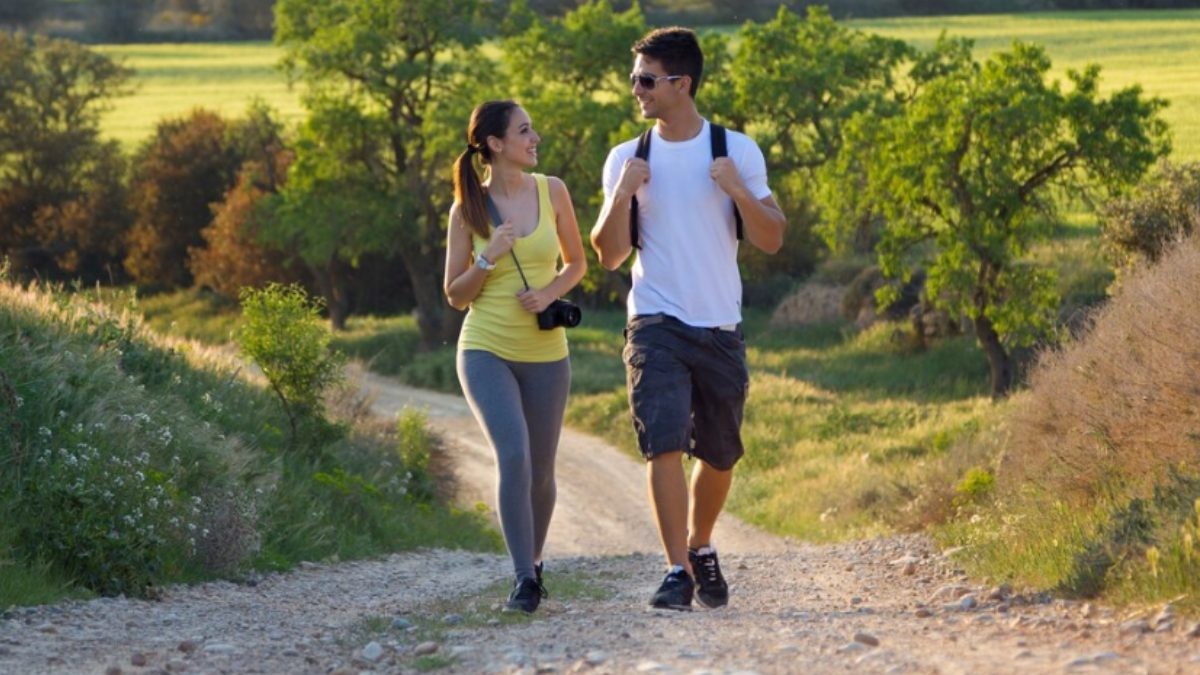
You don’t have to do a long workout. Even a walk is a good way to avoid sitting for long periods of time and is healthy.
It May Help To Control Blood Sugar.
An excellent reason to do walking after meals is that it can affect post-meal blood glucose.
Related Articles


When you walk, your muscles use glucose for energy. Light physical activity after eating can therefore help reduce the rise in blood sugar that normally occurs after a meal.
Regular physical activity is one of the most important elements in a healthy life for someone with blood sugar management. People with diabetes or taking glucose-lowering medication need to follow the advice of medical staff on exercise.
The simplest way to move on.
As we work, commute and have household duties, there is not a lot of time for exercise. A walk after breakfast, lunch or dinner can be a lot easier to fit in than a full workout.
Related Articles


Instead of seeing walking as a separate fitness activity, you can make it part of your daily routine. A walk around your neighbourhood, workplace or home can add useful movement without special equipment.
Can it support Digestion?
A slow walk after eating may also be comforting and help prevent the feeling that comes with sitting immediately after eating.
But walking is not a sure way to treat digestive problems. If you’re experiencing severe bloating, abdominal pain, reflux or other chronic symptoms and you feel like you are in need of treatment, you should talk to a doctor.
Walking After Dinner
An evening walk can be particularly easy to maintain because it can become part of your post-dinner routine. Rather than sitting on the couch or returning to a screen, do a relaxed stroll.
The time it takes for family to talk and chat in a quiet minute away from work and technology can also be a good opportunity to spend time outdoors.
Keep the Pace Comfortable
A post-meal walk doesn’t have to be very intense. If it feels good to walk slowly, you can gradually increase your pace.
The aim is consistency, not to exhaust yourself after each meal. If you find discomfort, dizziness and/or odd symptoms, stop and seek medical treatment.
Small Habit, Bigger Routine
A short post-meal walk is not a substitute for a full exercise routine. Most people benefit from a combination of muscle-building and aerobic exercise.
But small habits can add up. A few minutes of walking after meals can help reduce sedentary time and make daily movement easier to achieve.
The Bottom Line
A short walk after meals is a simple, accessible habit that may support blood sugar management, daily physical activity and overall wellbeing. You need no expensive gym membership or complicated workout plan to begin.
So start with a walk, make it part of your routine and gradually build more and more movement into your day.


Comments 0