
Karnataka government is considering sugar consumption control measures as part of the overall health policy to promote healthy eating habits and to reduce the number of people in hospitals with non-communicable diseases.
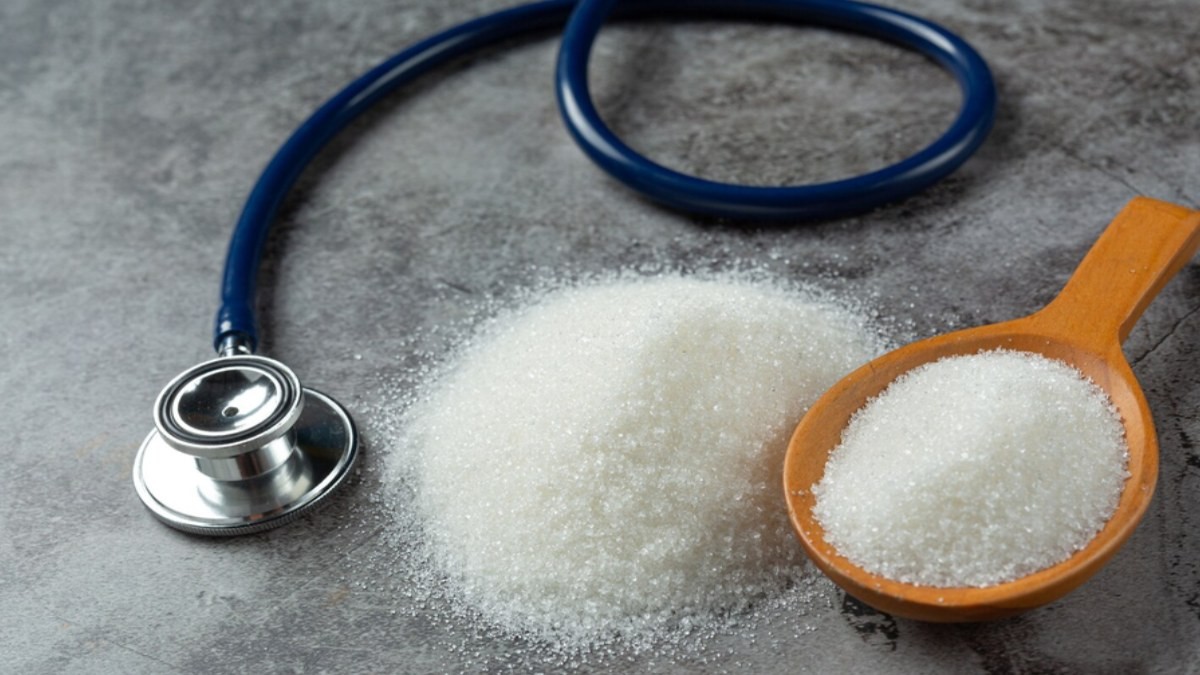
With salt consumption levels at an all-time high and the government now looking into how to reduce them, sugar consumption in sweets, drinks and packaged food products is going to come under the spotlight as a health issue.
According to information from state health authorities, Karnataka is working toward establishing guidelines that specify the amount of sugar used in certain food products. The proposed framework could cover products like sweets, sugary beverages and packaged foods where sugar is added during manufacturing. The aim is to encourage manufacturers to reduce excessive sugar content while helping consumers make more informed food choices.
Related Articles


The move comes in response to diet-related health problems including diabetes, obesity, cardiovascular diseases and fatty liver disease. If consuming too many added or free sugars are taken on a regular basis, weight gain and other health problems can happen. Food habits are in fact the focus of the health department to combat non-communicable diseases.
The World Health Organization (WHO) advises adults and children to reduce their consumption of free sugars to less than 10% of their daily energy intake. WHO also states that reducing free sugar intake to below 5% of daily energy intake will result in additional health benefits. For a person who eats approximately 2,000 calories a day, 5% is about 25 grams or about six teaspoons of free sugars per day.
The WHO recommendation also applies to free sugars, such as sugar added to food and drink by food manufacturers, chefs or consumers and naturally contained in honey, syrups, fruit juices and fruit juice concentrates. The recommendation does not mean that all naturally occurring sugars must be eliminated. But it emphasizes the importance of reducing free sugar in a balanced diet.
Related Articles


The Karnataka government's strategy therefore would be to focus on foods and beverages containing excessive amounts of added sugar. If such guidelines are adopted, food manufacturers may have to review their formulation and consider reducing sugar content in products. Such actions could not only be accompanied by awareness campaigns to make the information about nutrition more accessible to consumers but also to recognize products with high levels of added sugar.
The proposed sugar-related initiative is also connected with the state’s larger effort to prevent non-communicable diseases. Diabetes and cardiovascular diseases are influenced by a number of factors including diet, physical activity, genetics and other lifestyle factors. Public health measures that promote healthier eating habits might form an element of a broader prevention strategy.
The government has also been talking about the problems of excessive salt consumption. Exposure to high sodium levels is associated with high blood pressure and cardiovascular disease. Salt products warning labels and awareness messages have been discussed to promote moderation.
The focus on sugar and salt is in line with growing attention to the nutritional structure of typical foods. Packaged snacks, sweets, desserts and sweetened beverages can add a lot of sugar or sodium to an individual’s diet. And better knowledge of these ingredients would lead to better choices for people according to their recommended diet.
However, any proposed regulation will depend on the final guidelines, their scope and the way in which they are implemented. Details on the categories of products covered, permitted sugar levels, monitoring mechanisms and responsibilities of manufacturers will have to be clearly defined before the framework takes effect.
The dialogue reminds consumers of the need for moderation and balanced eating habits. Reading nutrition labels, avoiding foods and drinks that contain a lot of added sugar and a varied diet can help with the overall sugar intake. And the government’s plan is expected not only to be on the part of manufacturers but a public awareness of healthier food choices.
The proposed policy as Karnataka is in the process of forming sugar consumption guidelines could be part of a larger public health approach that aims to reduce unnecessary risks associated with unhealthy eating habits. Details on the policy will depend on the guidelines of the concerned departments and what will be the state government’s decisions.


Comments 0