
Knee pain is often associated with ageing, but experiencing persistent discomfort in your 30s should not automatically be dismissed as something that happens only to older adults. Increasingly sedentary lifestyles, excess weight, previous injuries, poor posture and physically demanding activities can all put additional stress on the knees at a relatively young age.
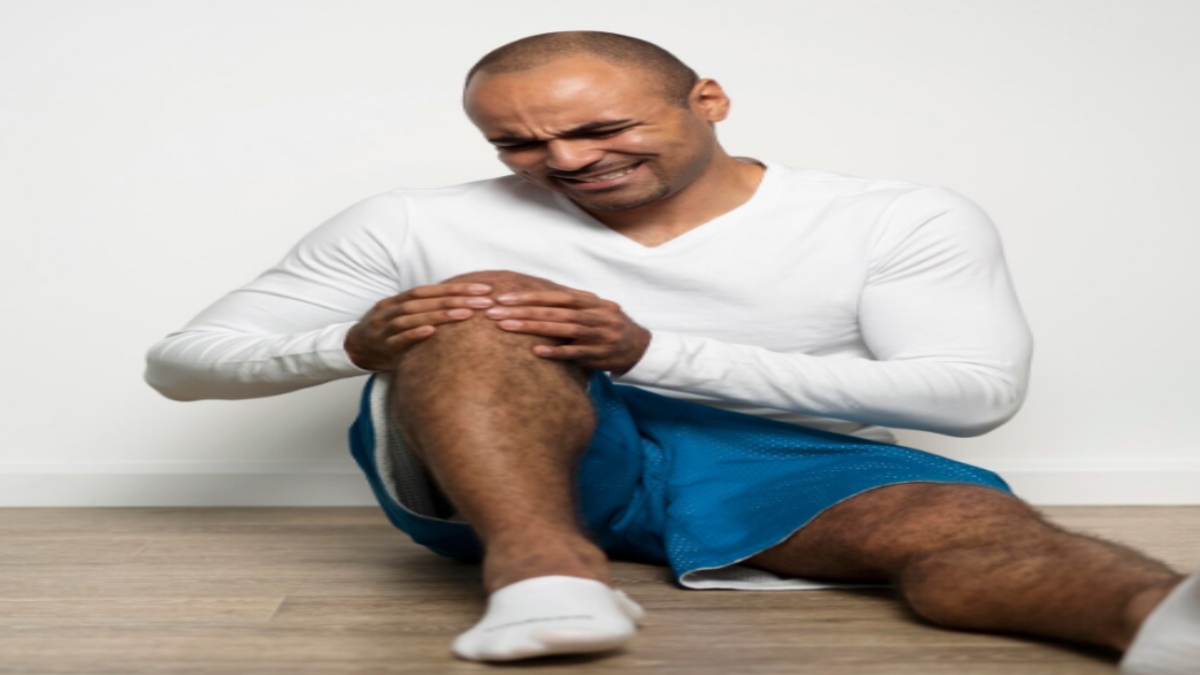
According to spine surgeon Dr Rajesh Verma, knee or joint pain appearing in the 30s may sometimes be associated with early degenerative changes or what people commonly describe as “early ageing.” However, pain at this age does not necessarily mean that the body is ageing prematurely. Identifying the underlying cause is important because many contributors to knee pain can be addressed with appropriate lifestyle changes and medical care.
Why Can Knee Pain Start in the 30s
The knee is a complex joint that absorbs significant amounts of pressure during walking, climbing stairs, running and exercising. Over time, cartilage and other structures can experience wear. While significant osteoarthritis is more common with increasing age, younger adults can also develop knee problems.
Related Articles


Previous sports injuries are one possible reason. Damage involving the meniscus, ligaments or cartilage can increase the risk of future joint problems. Even an injury that occurred years earlier may contribute to discomfort later.
Another factor is body weight. The knees carry much of the body's load, and excess weight can increase mechanical stress on the joints. Maintaining a healthy weight can therefore be an important part of protecting knee function.
A Sedentary Lifestyle Can Also Affect the Knees
Spending long hours sitting at a desk may not seem connected to knee pain, but inactivity can contribute to weaker muscles and reduced mobility. The muscles around the hips, thighs and knees help support and stabilise the joint.
Related Articles


When these muscles become weak, everyday activities can place greater demands on the knee. Regular movement and appropriate strength training can help maintain muscular support and overall joint function.
At the same time, suddenly increasing physical activity can cause problems. Someone who spends most of the week inactive but performs an intense workout at the weekend may put excessive stress on muscles and joints. Exercise is beneficial, but it should generally be increased gradually.
Could Knee Pain Be a Sign of Early Ageing
The phrase “early ageing” can sound alarming, but knee pain alone does not prove that a person is ageing prematurely. Several conditions can cause pain, including previous injuries, inflammation, muscle weakness, alignment issues and certain forms of arthritis.
Persistent or recurring pain deserves attention rather than being attributed simply to getting older. A healthcare professional can assess symptoms, physical function and medical history to determine whether further evaluation is needed.
Warning Signs You Should Not Ignore
Occasional soreness after unusually strenuous activity may improve with rest. However, medical advice is particularly important when knee pain is persistent, worsening or interfering with everyday activities.
Other symptoms worth discussing with a healthcare professional include swelling, repeated episodes of the knee giving way, locking, significant stiffness, difficulty walking or pain that follows an injury.
A sudden inability to bear weight, severe swelling after trauma or intense pain should receive prompt medical attention.
How to Protect Your Knees in Your 30s
Healthy habits can support joint health at any age. Regular low-impact activities such as walking, cycling or swimming can help maintain mobility and fitness. Strengthening the muscles around the hips and thighs may also improve support for the knees.
Maintaining a healthy body weight, avoiding sudden increases in training intensity and using proper technique during exercise are also useful strategies.
Good nutrition matters too. A balanced diet containing adequate protein, fruits, vegetables, whole grains and other nutrient-rich foods supports overall health. People with specific nutritional concerns should discuss supplements or dietary changes with a qualified healthcare professional rather than self-prescribing.
Don't Assume Pain Is “Just Age”
Knee pain in your 30s is not something that should automatically be labelled as normal ageing. It can have many possible explanations, and finding the cause early may help prevent the problem from interfering with mobility and quality of life.
The key message is to listen to your body. If knee discomfort is persistent, recurrent or accompanied by swelling, stiffness or instability, consider getting it evaluated rather than simply tolerating it. Taking care of joint health early can help support mobility and independence for years to come.


Comments 0