
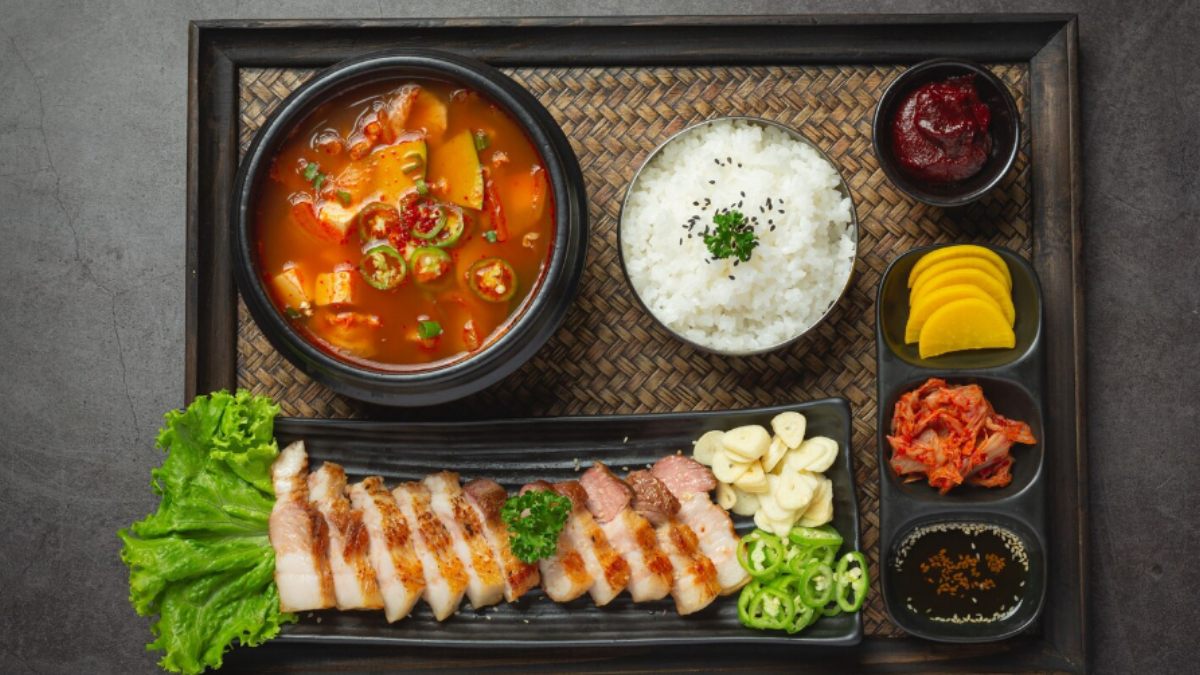
Korean cuisine is known for its bold flavours, colourful dishes and generous use of vegetables. But far from just the taste and nutritional component, many traditional Korean foods have naturally fermented ingredients that can promote a healthy gut microbiome. From kimchi to fermented soybean pastes, Korean food has a variety of beneficial microorganisms and fermentation-derived compounds.
Why fermented Korean foods are good for the gut
Fermentation is a part of Korean food culture. Microorganisms like lactic acid bacteria, during fermentation, change ingredients and their flavours, which can lead to new flavours and potentially increase nutritional and functional value.
Kimchi is perhaps the best known example. Formed by fermenting vegetables such as napa cabbage and radish with garlic, ginger and chilli, kimchi contains live microorganisms when it is not heat-treated or heavily processed. Lactic acid bacteria, in particular, have been shown to be beneficial for gut health.
Related Articles


A healthy gut microbiome contains a large community of microorganisms. Diets rich in vegetables, fibre and fermented foods should be present in our diet to foster such diversity.
Kimchi is only the beginning
Several other fermented foods are also present in Korean cuisine. In soups and stews, a traditional fermented soybean paste, Doenjang, is used, containing compounds that are produced during fermentation and can also provide plant-based protein.
Gochujang, a fermented red chilli paste, is another staple. It is usually prepared with ingredients like fermented soybean powder, rice and chilli. In the market, the sugar and sodium content of commercially-made products may vary significantly, so it is important to watch nutrition labels.
Related Articles


Korean meals also consist of vegetables, seaweed, mushrooms, tofu and other plant foods. These ingredients provide dietary fibre and other nutrients as well as add to fermented food to be part of a gut-friendly eating pattern.
Fermented food does not automatically mean probiotic
One important distinction is that not every fermented food is a probiotic food. Probiotics are live microorganisms that have health benefits when consumed in sufficient amounts, according to the commonly used scientific definition.
Some fermented foods contain live cultures, while others may be pasteurised or cooked, which can reduce or eliminate living microorganisms. So gut health benefits are dependent on the specific food, preparation method and microorganisms.
How to add Korean foods to your diet
You don’t have to change your diet to enjoy Korean-inspired gut-friendly foods. Add a small portion of kimchi to rice, vegetables and a protein source. Doenjang can be used to flavour soups, while tofu, mushrooms and vegetables can add fibre and variety to meals.
You should begin with small portions if you are sensitive to spicy food. People who need to limit sodium should also be mindful of kimchi, fermented pastes and other salty Korean dishes.
Korean cuisine’s combination of fermented foods and plant-rich ingredients makes it a good model for dietary diversity and gut health. Instead of having a single “superfood” diet, a broad range of fibre-rich plants and suitable fermented foods is more sustainable for your gut microbiome and what you need to keep in mind.


Comments 0