
Staying up late occasionally doesn’t make much difference in weight, but if you sleep less and less often, then your body will alter appetite, food intake, and energy balance.
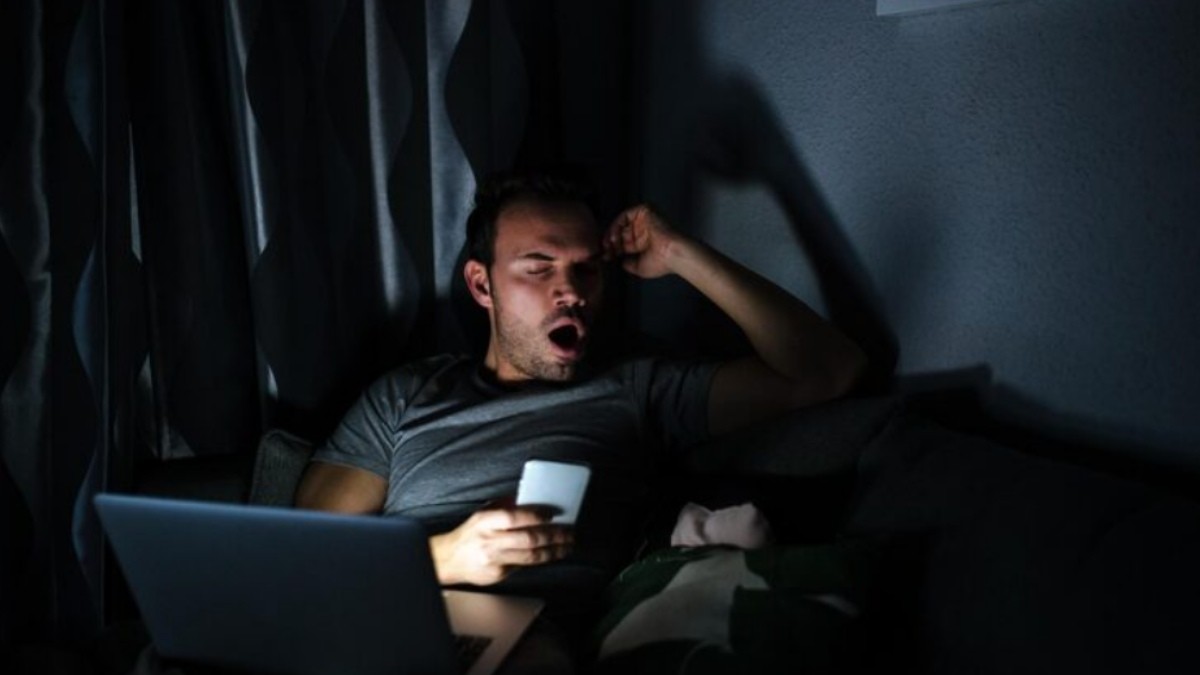
Hence, there is growing evidence of the connection between insufficient sleep and weight gain and obesity. Not enough sleep is associated with weight gain and obesity. Healthy diets and physical activity, genetics, health conditions, and medications are part of the equation, but sleep is another piece on top.
Recent studies confirm this connection. Two randomised trials of 95 adults over six weeks showed that reduced sleep (around 1.5 hours a night) was associated with a small increase in body weight and waist circumference compared with adequate sleep. Long exposure to moderately short sleep may lead to weight gain.
Related Articles


How much weight loss is dependent on sleep for you?
Lack of sleep will affect how much food you eat
Food intake is one of the biggest links between sleep and weight. People who don’t get enough sleep might feel hungry, consume more calories, and eat foods and drinks that are more calorie-rich.
At the US National Institute of Diabetes and Digestive and Kidney Diseases, insufficient sleep is linked to weight gain and may make people more likely to consume additional calories or choose less healthy foods.
Related Articles


More than one or two ‘hunger hormones’ may play a role in the relationship, which is more complicated. Sleep restriction can influence reward pathways and the desire to eat calorie-dense foods. A recent review of controlled human studies found evidence that sleep restriction can promote excessive dietary intake, but the exact mechanisms are still under investigation.
Staying awake longer also means more chances to eat. Late-night snacking can bring extra calories to the day, especially for those who opt for familiar, highly processed foods.
Eating more is not the only thing that could explain it.
The next day, tired people who have had a short night of sleep may be less physically active. In the recent six-week sleep restriction study, participants spent 17 additional minutes per day being sedentary when their sleep was restricted.
Earlier Mayo Clinic studies also reported on abdominal fat. In a small controlled study with 12 healthy participants, restricted sleep was associated with increased calorie consumption and increased abdominal and visceral fat accumulation. Visceral fat is stored around internal organs and is associated with increased cardiometabolic risk.
But these studies cannot be taken to mean that everyone who stays up late will gain weight automatically. Individual responses differ, and long-term body weight depends on many interacting factors.
Your sleep schedule matters too
It’s not only the time you get to bed that matters. Someone who does sleep late but still gets enough consistent, good-quality sleep is in a different situation from someone who stays up late and has to wake early, repeatedly cutting their sleep short.
Studies have linked insufficient sleep and disruption of the body's circadian rhythm to changes in energy intake, food choices, and metabolism. Circadian misalignment can occur when sleeping and eating patterns often conflict with the body's natural day-night cycle.
This can be especially relevant for people working night shifts or irregular schedules.
Sleep quality matters as well. If you sleep enough hours in bed, you are not necessarily getting restorative sleep. Frequent awakenings, insomnia, and sleep disorders can leave you tired even if you feel like you’ve got enough hours in bed.
How much sleep is required by adults?
Sleep requirements vary from person to person, but generally adults need at least seven hours of sleep each night. The National Institute of Diabetes and Digestive and Kidney Diseases recommends seven to nine hours for adults aged 18 to 64, and Mayo Clinic says adults generally require seven or more hours per night.
If we are disciplined about sleep patterns, monitor our own schedule and avoid screen usage at night; not eat too much food before bed, and create an environment of calm sleepiness, we can achieve a good sleep schedule.
There is no weight loss strategy in sleep as an individual, and sleep should not be considered as a weight loss strategy. The need for sleep is not a separate weight loss process but a part of a healthy diet and overall metabolic health.
If you frequently do not sleep well, wake up in the middle of the night, feel very sleepy the day after, or feel tired even after getting enough hours of sleep, talk to a healthcare professional.
A few late nights won’t necessarily affect your weight on their own. But if sleep deprivation becomes an unhealthy habit night after night— and sleep deprivation is bad for your health over time, studies suggest it may affect your eating habits, activity levels, and metabolism and make it harder to maintain a healthy weight over the long term.
This article is for general informational purposes only and should not be considered a substitute for professional medical advice, diagnosis, or treatment.


Comments 0