
Bottle gourd, also known as lauki, doodhi or ghiya, is a common vegetable in Indian kitchens and is a popular vegetable in Indian kitchens. It is commonly used in curries, soups, dals, and other daily dishes as well as in everyday food. With its high water content and relatively low calorie count, lauki is a good addition to a balanced diet.
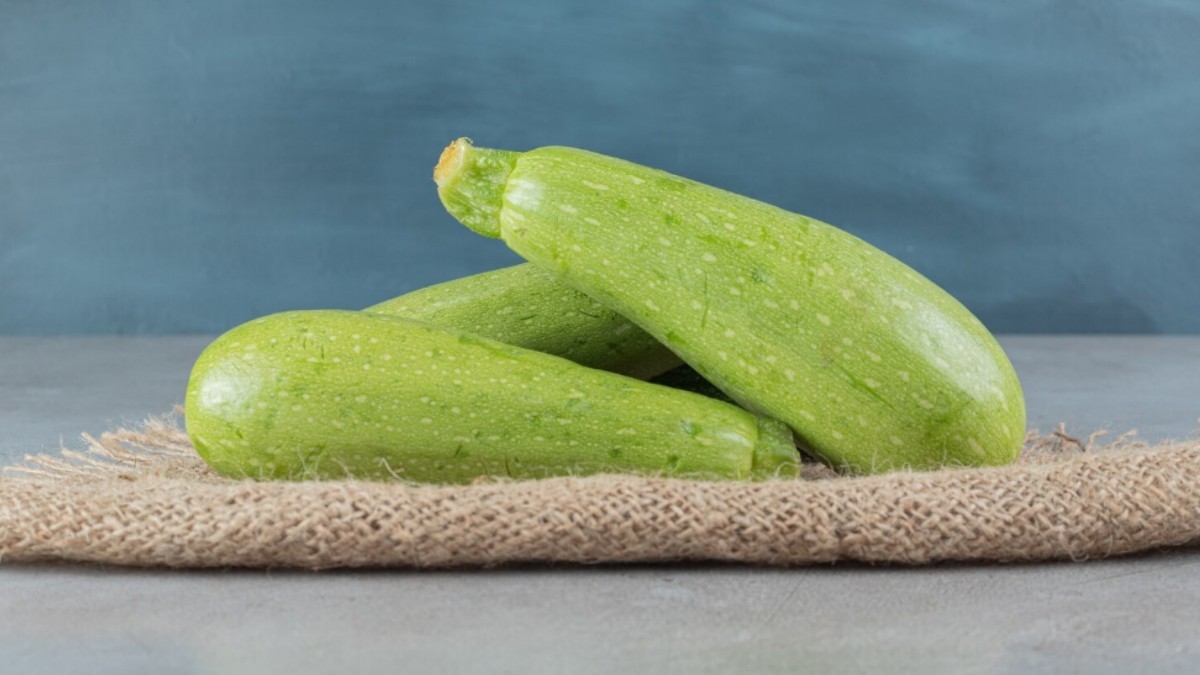
The vegetable also provides fibre, potassium, vitamin C, and other nutrients. Such qualities make it very useful as part of meals aimed at hydration and digestive health.
But there is a major difference between eating cooked bottle gourd and drinking concentrated lauki juice. Bitter bottle gourd can contain potentially toxic compounds called cucurbitacins, and drinking its bitter juice has been linked with serious poisoning.
Related Articles


How good could it be to add fresh, non-bitter lauki to your diet?
1. Helps Support Hydration
The bottle gourd’s most notable feature is its high water content. The water content of bottle gourd is about 95% or more, making it a light and hydrating vegetable.
Water-rich vegetables can help with the daily fluid intake of your body in general. It can be especially useful during hot weather when the body loses more fluid through sweating.
Related Articles


Lauki should not replace drinking enough water, however. Regular water intake is the main way to keep hydrated.
2. Can Support Digestion
Lauki provides dietary fibre, which is important for normal digestive function and bowel regularity.
Fibre adds bulk to stool and can support regular bowel movements when consumed as part of an overall fibre-rich diet. Its high water content can also make lauki a relatively light food choice.
Instead of using lauki juice to relieve constipation or acidity, the vegetable should be part of a diet with vegetables, fruits, whole grains and other fibre sources.
3. Low In Calories
Bottle gourd is naturally low in calories. It contains only around 14 to 15 calories per 100 grams, according to commonly cited nutrition data.
This makes it useful for people who want to add volume to meals without adding a lot of energy.
But lauki is not a cause of weight loss in itself. Weight management is determined by overall calorie intake, physical activity, sleep, dietary quality and other individual factors.
Replacing calorie-dense foods with vegetables such as lauki might be one practical part of a balanced eating pattern.
4. Provides Potassium And Other Nutrients
Lauki contains many vitamins and minerals, including potassium, vitamin C, calcium and magnesium in smaller amounts.
Potassium is one of the essential minerals for fluid balance, nerve function and normal muscle function.
A variety of foods—vegetables, fruits, pulses, whole grains and other nutrient-rich foods is generally a better way to meet nutritional requirements than relying heavily on one food.
5. Could Help You Eat More Fibre-Rich Foods
Adding lauki to regular meals can be a natural way to increase vegetable intake.
It can be served with lentils, vegetables, or spices, added to soups or prepared as a simple sabzi. The vegetable’s mild flavour also allows it to work with different ingredients.
Higher vegetable and fibre consumption is associated with several aspects of better dietary health. Lauki can then be useful as one component of a balanced eating pattern rather than as a standalone health remedy.
6. Can Be A Light Addition To Meals
Because lauki is high in water and relatively low in calories, it can make meals filling without being particularly heavy.
Lauki sabzi, dal with lauki, or vegetable soup can provide variety while contributing fluid and fibre for people who prefer lighter foods.
The health value of the final dish also depends on how it is prepared. Adding large amounts of oil, sugar or salt can substantially change its nutritional profile.
7. Lauki Juice Is Not Necessarily Better Than Eating The Vegetable
Lauki juice has become popular in some wellness routines, with claims that it can “detox” the body, help with weight loss or control conditions like diabetes and high blood pressure.
Possible claims in this context need to be treated with care. There is no evidence to suggest that lauki juice is a treatment for these conditions, and it should never substitute prescribed medication or medical care.
Eating lauki as part of a normal meal is generally a more straightforward way to incorporate the vegetable into your diet.
Important Safety Warning About Bitter Lauki
This is particularly relevant if you are making bottle gourd juice at home.
Do not eat lauki if it tastes unusually bitter.
Bitter bottle gourd can contain high amounts of cucurbitacins, naturally occurring compounds that can cause poisoning. The symptoms include extreme abdominal pain, vomiting, diarrhoea and gastrointestinal bleeding. In serious cases, poisoning can become life-threatening.
The Indian Council of Medical Research has previously investigated cases of suspected toxicity associated with bitter bottle gourd juice.
If a bottle gourd tastes bitter, do not attempt to make it more palatable by adding other fruits, sugar or spices. Discard it instead.
How Can You Include Lauki In Your Diet?
For most people, the simplest way is to eat lauki as a cooked vegetable.
You can add it to dal, make it with other vegetables, add it to soups, or use it in traditional Indian preparations. Washing the vegetable properly and using fresh produce are basic food-safety measures.
If you have a medical condition or take medication for blood pressure, diabetes, or another condition, don’t substitute lauki or lauki juice for prescribed treatment. If you are going to eat concentrated vegetable juices regularly, speak to a healthcare professional.
Lauki is not a miracle food, but it does offer a good mix of water, fibre and nutrients at a low calorie cost. Including it as part of a varied diet can support overall healthy eating without relying on exaggerated "detox" or weight-loss claims.


Comments 0