
Food is a lot more than a means for satisfying hunger. Local food contains stories of people, geography, celebrations and generations of culinary knowledge. Local dishes that are well-known to the people in India and across the world preserve cultural identity and teach people how to cook with the best of them.
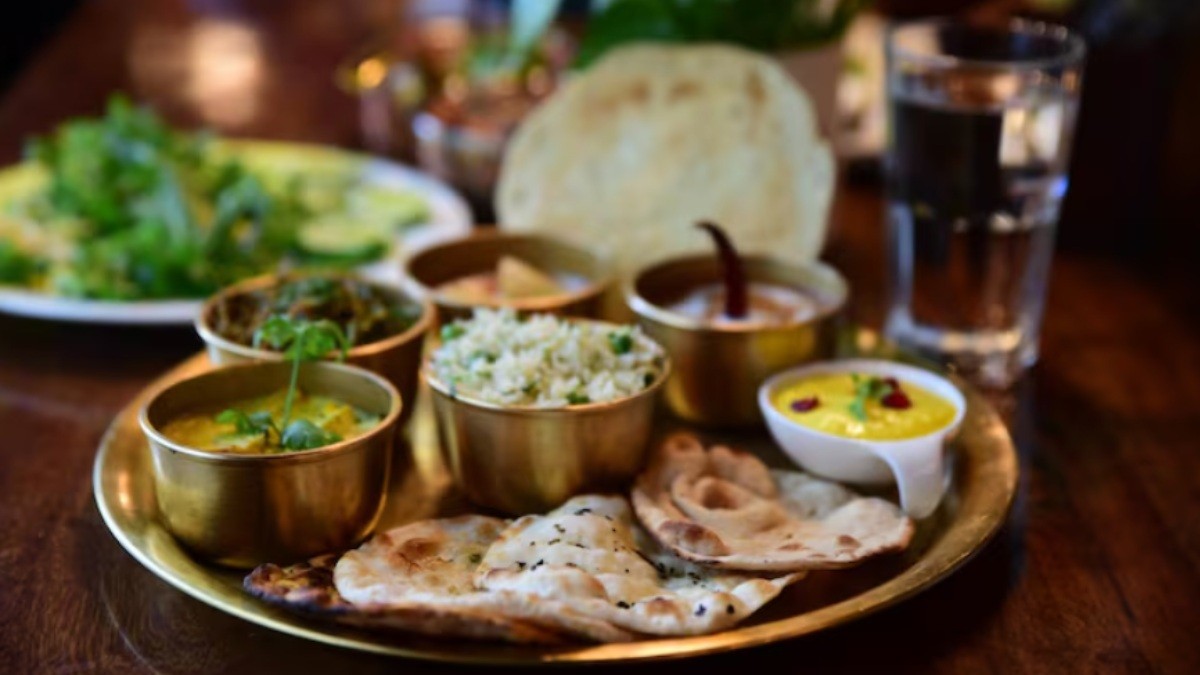
From relaxing home-cooked meals to festive specialities, traditional foods are a delicious way to experience the history and diversity of different regions.
Why Traditional Foods Matter
Old-time food in some places is often very much associated with the history and lifestyle of that region. Ingredients commonly used in someone’s home region may be associated with the climate, agriculture and resources available.
Related Articles


Young generations usually pass recipes on from parents and grandparents. The basic characteristics of these dishes remain very much the same no matter the cooking technique or even whether they change.
Regional Ingredients Create Unique Flavours
The most interesting part of traditional cuisine is to use local ingredients. Rice, millet, lentils, vegetables, spices, coconut, fermented foods and seasonal produce appear in different combinations in Indian regions.
Turmeric, cumin, cardamom, mustard seeds and coriander can turn simple ingredients into special regional dishes. The same ingredient can also be prepared differently depending on local traditions.
Related Articles


Traditional Foods Across India
India’s culinary scene is very diverse. In the south, dosa, idli, sambar and various rice-based preparations are popular examples of regional food traditions.
Northern cuisines are known for dishes like rajma, chole, parathas and a variety of breads. Rice, fish and sweets are prevalent in eastern India and western food cultures have their own unique dishes and local grains, vegetables and spices.
Northeastern cuisines also display ingredients and cooking methods that differ from those commonly associated with other parts of the country.
Food and Festivals
Festivals and celebrations can put traditional foods together to make them really special. Recipes and snacks and elaborate meals are made and passed down the generations.
These dishes can create nostalgia, connecting people with childhood memories and family gatherings. In many communities, preparing food together is itself an important part of celebrating.
The Role of Seasonal Foods
Traditional cooking is generally very much dependent on the seasons. Some fruits, vegetables and grains might be eaten when they are already available.
Seasonal cooking can also contribute to culinary variety throughout the year. Weather, local harvests and cultural occasions may alter recipes.
Preserving Culinary Heritage
And in modern lifestyles people have changed how much they cook and eat, but the love affair with traditional food is no longer going away. Restaurants, food festivals, home cooks and new chefs are finding new ways to get regional food to an audience beyond the restaurant.
Documenting family recipes, learning traditional cooking techniques and supporting local food producers can help preserve culinary heritage.
Traditional Food Meets Modern Tastes
Today’s cooks are also adapting old recipes to contemporary preferences. Some of us are now presenting them in different ways and some are modified to suit different dietary preferences.
However, preserving the story behind a dish can be just as important as preserving its ingredients. Knowing where a recipe came from makes the eating experience more meaningful.
A Delicious Journey Through Heritage
Local traditional foods are an opportunity to experience culture through taste. Each dish can reflect history, geography, family traditions and community knowledge.
But for the soul to learn about regional cuisine is that of the people (the traditions and stories and culture around food over time) who have the power to make it delicious.


Comments 0