
The monsoon brings relief from the heat but the season can also make breathing difficult for some people. Higher humidity, damp surroundings, mould growth and allergy-related factors can impact the air we breathe.
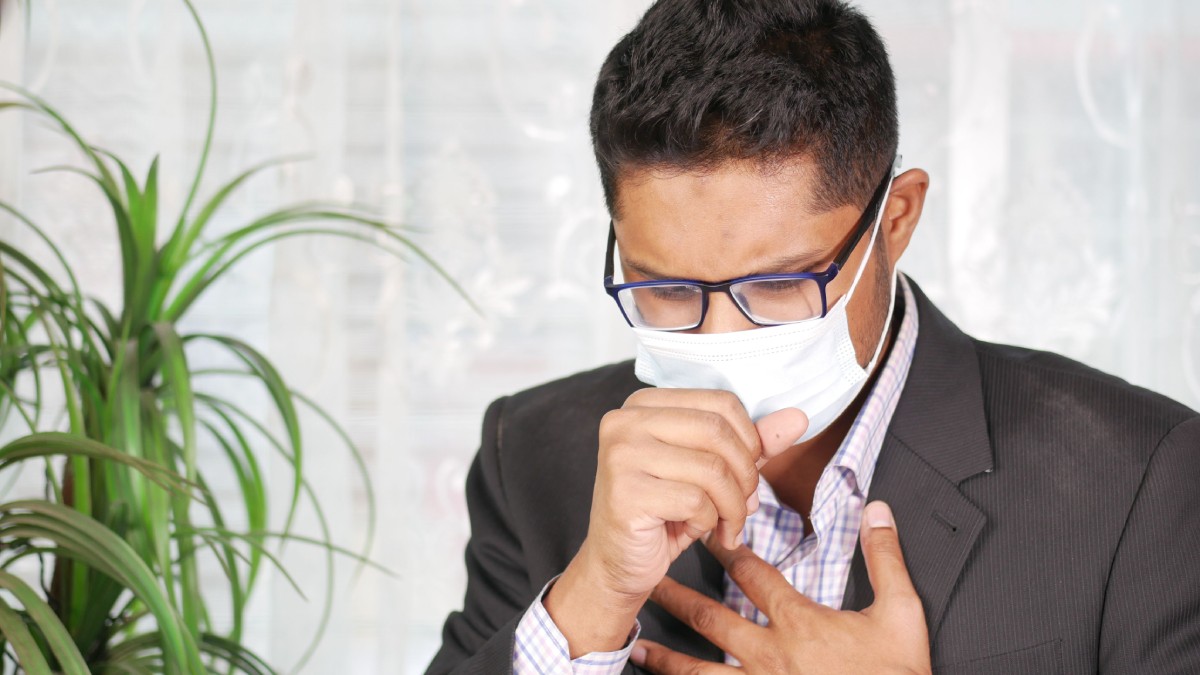
People with asthma, allergies or other respiratory problems may notice more coughing, wheezing, chest tightness or shortness of breath during the rainy season.
It is not only the rain that’s causing the problem. The high moisture levels that come with the monsoon can make mould and dust mites grow more easily.
Related Articles


People also spend more time indoors because of heavy rain and will spend more time around these triggers.
For some people, this can make existing breathing problems feel worse.
Humidity itself is uncomfortable to breathe. When the air is wet, people may find it hard to breathe comfortably when they have a respiratory condition.
Related Articles


How Humidity, Mould and Allergens affect breathing
One of the big problems during monsoon is excess moisture.
Mould growth in damp walls, wet clothes, poorly ventilated rooms and a few areas where water collects can promote mould growth. Mould particles and spores are released into the air. Breathing them in could trigger allergic reactions in sensitive people.
Common symptoms can include sneezing, a blocked or runny nose, coughing and irritation in the throat. People who are sensitive to mould may also experience worsening asthma symptoms.
Dust mites can also be a problem in humid weather. Microscopic organisms thrive in warm and humid environments. They are found in mattresses, pillows, carpets and other household objects.
Some people get allergies from their waste particles.
That may be why people would likely be more sneezing, coughing or breathing discomfort while spending long periods of time indoors during the rainy season.
The problem can be exacerbated by poor ventilation.
If the windows remain closed for so long due to rain, indoor air will not circulate properly. Moisture can remain trapped inside rooms, which is a perfect environment for mould and other allergens.
Drying indoor spaces out and keeping them well ventilated can help to minimize exposure.
Air conditioners and dehumidifiers can also help control indoor moisture if used properly. Still, air conditioning units need cleaning and the filters must be cleaned regularly if dust and particles will gather.
How do you protect your breathing during Monsoon?
There are a number of simple solutions for reducing exposure to respiratory triggers during the rainy season.
Maintaining the home dry is one of the most important steps. You can’t cover the room with paint if you notice damp patches on walls or ceilings but rather address the source of the moisture on walls or ceilings and not paint only.
Mould should also be cleaned safely. People with very strong mould allergies or respiratory issues may prefer someone else to do extensive mould cleaning rather than to handle it directly.
Regularly washing bedsheets, pillow covers and blankets may also help eradicate allergens, too. Keeping mattresses dry and allowing bedding to receive adequate ventilation can be useful during humid weather.
When possible, do not dry very large amounts of wet clothing in poorly ventilated rooms. Wet clothes increase indoor moisture and can contribute to a damp environment.
People with asthma or known allergies should also continue taking their prescribed medicines according to their doctor. They shouldn’t stop or change medication just because symptoms improve.
If breathing problems become worse, symptoms are severe or one is experiencing significant chest tightness, they should seek medical attention instead of assuming the problem is simply due to the weather.
People who frequently have breathing problems in the monsoon should also discuss their symptoms with a doctor. A healthcare professional can help identify whether asthma, an allergy, an infection or another condition is responsible.
It is also important to mention that not all breathing problems during monsoon are from humidity or mould. Viral respiratory infections can also spread during the rainy season and their symptoms can overlap with allergies.
A persistent cough, wheezing or breathing difficulty, therefore, is of course a serious medical concern.
It is not necessarily harmful to the lungs for the monsoon itself. The bigger issue is moisture, poor ventilation, mould, dust mites and other environmental triggers.
Simple changes at home can help minimize exposure to these triggers.
So keeping rooms dry, cleaning regularly, improving ventilation and looking out for mould can be ways to make indoor air more comfortable during rainy days and seasons.
A person who has asthma or allergies already has a more significant impact on the way he or she is conditioned to react to whatever they may be triggered by can have an even greater impact on the way he or she reacts to that.
If breathing problems repeatedly become worse during the monsoon, it is better to diagnose the cause with professional medical advice rather than simply putting up with the symptoms every year.


Comments 0