
Mosquito coils are widely used in homes to keep mosquitoes away, especially during times when mosquito activity increases.
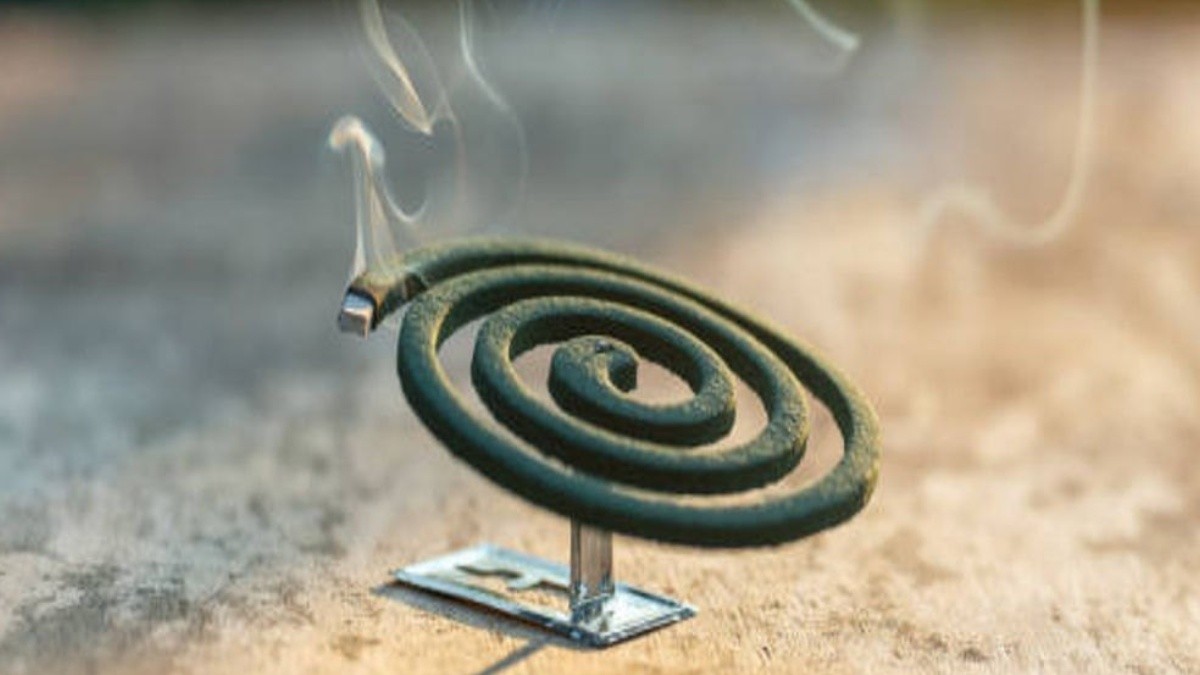
Experts say that burning them indoors can reduce mosquito population, but in closed or poorly ventilated rooms can be harmful to the lungs. Not only the insect-repelling chemicals in the coil are subject to fire, but fine particles and other combustion-related pollutants could be emitted in indoor air.
The health impact becomes more pronounced if people are still exposed to mosquito coil smoke for more than a few hours. Children, older adults and those with asthma or other respiratory conditions may be particularly sensitive to polluted indoor air.
Related Articles


As such, mosquito coils should be used only in open or well-ventilated places and the burning coil should be kept away from people if possible.
Why is mosquito coil smoke harmful?
A mosquito coil doesn’t simply release an insect-repellent substance into the air. It burns slowly and creates smoke as the material burns. That smoke can contain fine particles and various chemical compounds which can be inhaled.
If a coil is burned in a poorly ventilated room instead of quickly dispersing outdoors, pollutants will build up and become concentrated in the air around it, exposing people sleeping, working or just hanging out in the room.
Related Articles


The side effects can include irritation of the eyes, nose and throat, coughing and breathing discomfort. People with longstanding respiratory problems may find that smoke exposure aggravates their symptoms.
What does mosquito coil smoke contain?
Mosquito coils contain insecticides like pyrethrins, pyrethroids or similar compounds that are used to repel or kill mosquitoes. But the active ingredient is only one component of the exposure.
Combustion can also generate pollutants such as carbon monoxide, volatile organic compounds, nitrogen dioxide, sulphur dioxide and fine particulate matter. The exact emissions will depend on the formulation of the product and how it is burned.
Fine particles are of particular concern because they can remain suspended in indoor air and reach the respiratory system if inhaled. This means that although a mosquito coil is used for pest control, smoke from burning is not a harmless substance.
What occurs when you breathe smoke?
Once inhaled, smoke particles and chemical pollutants can enter the respiratory tract. Larger particles may be trapped in the upper airways, while smaller particles can travel deeper into the lungs.
Short-term exposure might lead to coughing and throat irritation, eye irritation, nasal discomfort or breathing problems for people with asthma and other respiratory conditions.
Repeated exposure is also a concern. If mosquito coils are burned every night in an enclosed bedroom, the cumulative exposure may be much greater than occasional use in a well-ventilated outdoor setting (see Fig. 1).
Carbon monoxide is also important as it can interfere with the body's ability to transport oxygen. The overall health risk is the result of coil type, duration of exposure, room size, ventilation and health of the individual.
Why is a closed room more concerning?
Ventilation plays a crucial role in indoor air quality. In open spaces, smoke can disperse more quickly. By contrast, when doors and windows are closed, smoke from a burning coil can remain trapped inside.
The situation is more serious when the coil is placed close to a bed, chair or any other place people spend long periods. Directly inhaling smoke can increase exposure for several hours.
That is why experts recommend not to place a burning coil beside a sleeping person or in a very small room. A coil should be placed away from people, and it should be used in a location with adequate air circulation.
Safer ways to keep mosquitoes away
Preventing mosquito bites is critical because mosquitoes can carry a number of diseases. But mosquito control does not necessarily need to be done by burning a coil indoors.
Mosquito nets can act as physical protection while people sleep without producing smoke. Window and door screens can also reduce the entry of mosquitoes into homes. Electric mosquito-repellent devices may be another alternative for people who prefer not to use a burning product.
Removing standing water around the home is also essential for mosquito control because stagnant water can be breeding sites. Regularly checking containers, plant trays and other areas where water can accumulate can help reduce mosquito populations in residential areas.
If mosquito coils are still used, keeping the coils away from bedding, curtains, furniture and other combustible materials, along with ensuring adequate ventilation, would be good precautionary measures.
Mosquito coils can be useful for controlling mosquitoes, but their smoke shouldn’t be treated as harmless just because the product is intended for household pest control. Burning a coil creates combustion smoke in addition to mosquito-repellent chemicals, and that smoke can contain fine particles and other pollutants.
The potential concern is especially important when coils are burned repeatedly in closed rooms or when people remain close to the smoke for long periods. Children, older adults and people with existing breathing problems may be at risk.
Mosquito nets, screens and non-burning repellents where practical can reduce reliance on smoke-producing products. If a mosquito coil is used, adequate ventilation and keeping it away from people can help reduce unnecessary exposure.
Ultimately, effective mosquito protection must also take indoor air quality into account. It’s important to keep mosquitoes away, but doing so without unnecessarily filling living spaces with combustion smoke can provide a safer approach for households.


Comments 0