
Multivitamin tablets are the most commonly used dietary supplements. Many people take them daily, in the hope of boosting immunity, increasing energy, improving overall health, or preventing nutritional deficiencies. But are multivitamins really necessary, or can they do more harm than good?
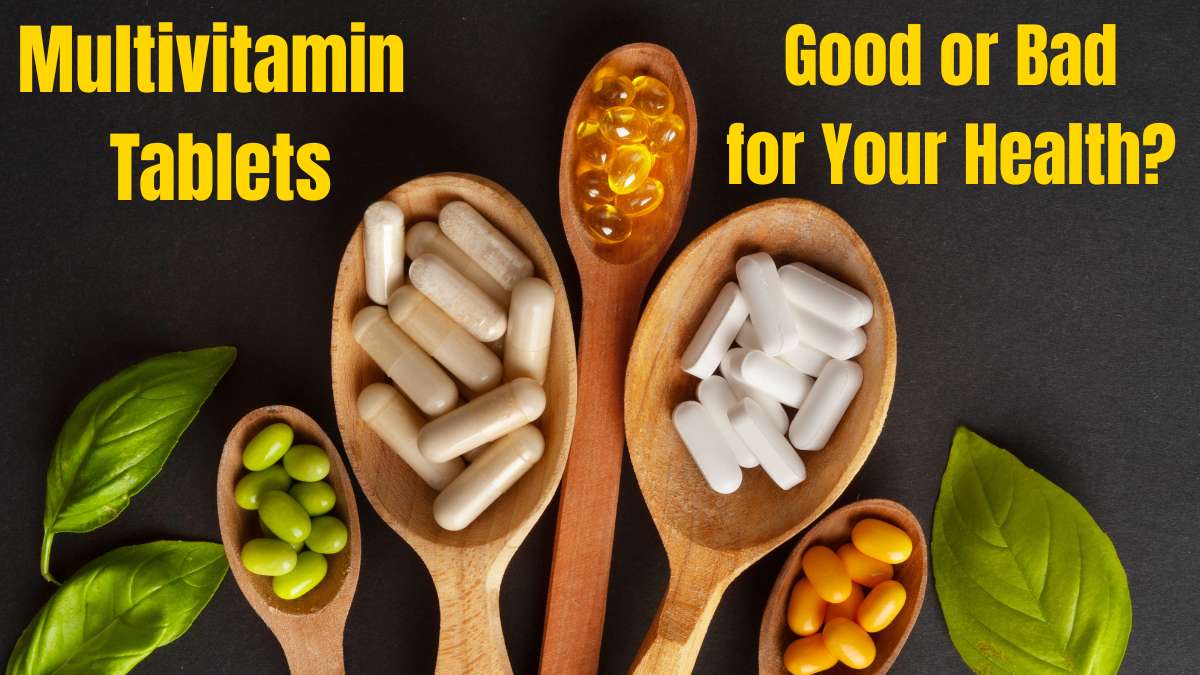
The answer is a function of age, diet, lifestyle, and overall health. Multivitamins are theoretically useful to a lot of people. But they are not a magic pill and shouldn’t be substituted for a healthy, balanced diet.
What are multivitamin tablets?
Related Articles


Multivitamins are supplements of vitamins, minerals, and sometimes other nutrients. The exact ingredients and amounts depend on brand and formulation. They are for the person when their daily nutritional intake may not have enough nutrients for them to take action.
Who is best to take multivitamins?
In fact, people can benefit from taking multivitamin supplements, which are in fact:
Related Articles


People with diagnosed vitamin or mineral deficiencies. Pregnant or breastfeeding women (under medical supervision). Older adults with reduced nutrient absorption. People with restricted diets (e.g., vegan or very low-calorie diets). People with some medical conditions that interfere with nutrient absorption. Those who are recovering from illness or surgery (as advised by a healthcare professional).
Multivitamins, however, are able to close nutritional gaps and support overall health in these situations.
Do multivitamins actually help you in healthy adults?
For most healthy adults who have a balanced and diverse diet, multivitamin tablets are not required. A diet that includes fruits, vegetables, whole grains, lean proteins, legumes, nuts, seeds, and dairy products usually provides the vitamins and minerals your body needs.
Researchers have found that in well-nourished people, using multivitamins regularly does not actually reduce the incidence of major chronic diseases or significantly improve health.
How many vitamins can one take at once?
Yes. And more is not always better.
If you take too much of certain vitamins and minerals, you may get very bad headaches and potentially face serious health problems—or have some unexpected and sudden side effects.
Examples include:
Vitamin A can cause liver damage and birth defects in pregnancy. Excess Vitamin D can cause high calcium levels and kidney disorders. Iron can cause stomach pains and, if taken too much, could be toxic if taken for too long. Vitamin E can increase the risk of bleeding in some people.
And always follow the recommended dosage and avoid combining multiple supplements without professional advice.
What is the best source of nutritional energy to be purchased?
Health care professionals believe that essential nutrients are best obtained from whole foods that provide not only vitamins and minerals but also fiber, antioxidants, and other beneficial compounds.
Focus on eating:
Fresh fruits and vegetables
Whole grains
Lean proteins
Dairy or fortified alternatives
Nuts and seeds
Healthy fats
A balanced diet is much better than supplements alone
Multivitamin tablets do apply to nutritional deficiencies and medical conditions, but the supplements do not substitute for healthy eating. For most people, a healthy diet is the most effective way to meet daily vitamin and mineral requirements.
If you’re considering a multivitamin, you will have to consult your doctor or a registered dietitian to know if you need one and what formulation is the ideal one for you.


Comments 0