
Protein is an essential component of a healthy diet for muscles, tissues to heal, immunity to occur and for the body to function properly. Protein is one of the most frequent non-vegetarian foods. Fish, chicken, and mutton are the most widely consumed protein sources.
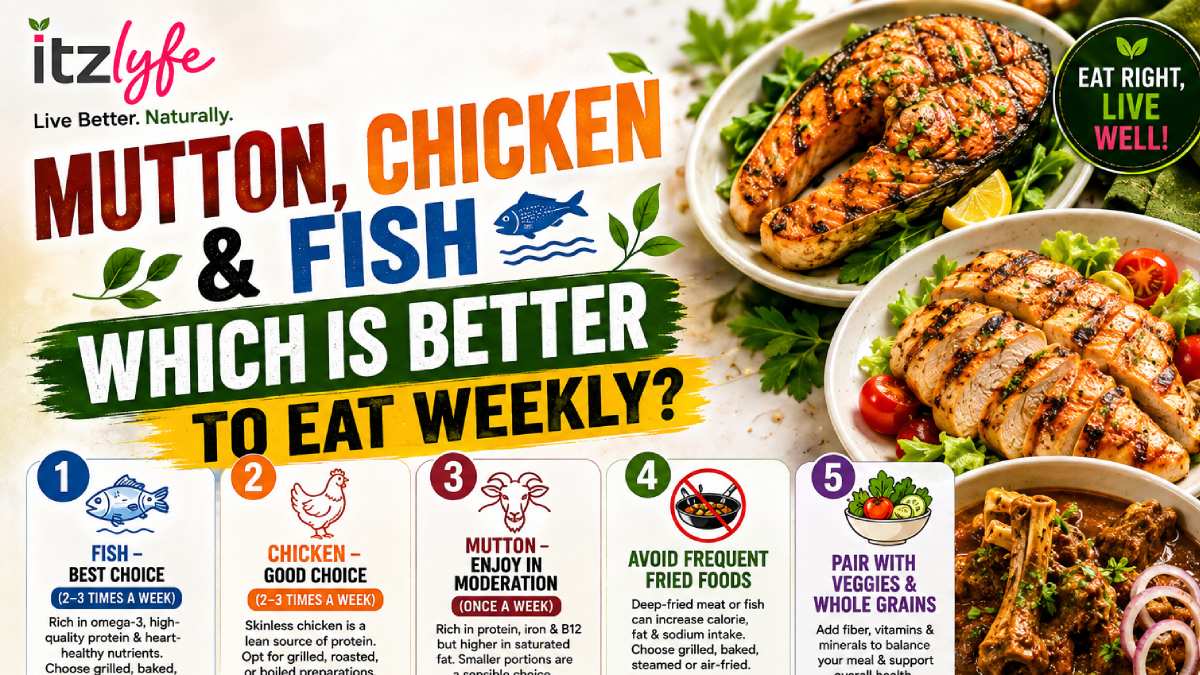
For most healthy adults, fish is the best for regular consumption. Health experts generally recommend fish at least twice a week and oily fish such as salmon, sardines, mackerel, and trout are good to eat. Fish is rich in high-quality protein, omega-3 fatty acids, vitamin D, iodine, and selenium. Omega-3 fats are good for health, brain health, eye health, and inflammation control and are good for heart health. Fish should be grilled, baked, steamed, or lightly cooked instead of deep-fried to attain the best health benefits.
Another great source of lean protein is chicken, which is great for building muscle and maintaining a healthy weight. The skinless chicken breast is less saturated than red meat but is also rich in niacin, vitamin B6, phosphorus, and selenium. Eating chicken two to three times a week is healthy as part of a balanced diet. If you want to eat chicken, opt for grilled, roasted, boiled, or air-fried preparations, not fried chicken, which has a lot of calories and unhealthy fats.
Related Articles


Mutton also provides high-quality protein, and iron, zinc, and vitamin B12 are essential for red blood cell production, immunity, and energy metabolism. However, mutton has more saturated fat than chicken or most fish. Consumption of large portions of mutton can lead to increased cholesterol intake in some people. So nutrition experts recommend enjoying mutton in moderation, choosing lean cuts and controlling portion sizes.
For whatever protein source you choose, the cooking method is a primary factor in how healthy the meal is. Deep-frying leads to excess calories, unhealthy fats, and sodium that can increase the risk of obesity, high blood pressure, and heart disease. Healthier ways are grilling, baking, steaming, roasting, pressure cooking, or air-frying with minimal oil.
A balanced meal should also include vegetables, salads, legumes, and whole grains alongside meat or fish. These foods provide fiber, vitamins, minerals, and antioxidants that help with digestion and overall health, and help make meals more nutritious and satisfying.
Related Articles


Finally, there is no “perfect” meat for everyone. Fish is the healthiest weekly choice because of its heart-friendly omega-3 fatty acids. Chicken is a good lean protein option, with mutton sometimes added as part of a balanced diet. Individual needs may vary depending on age, activity level, medical conditions, and dietary preferences. People with heart disease, kidney disease, and other health issues should seek personalized advice from a qualified healthcare professional or registered dietitian.


Comments 0