
If you have a neem tree growing in your garden, you may already know it as one of the most familiar plants in Indian homes. Neem, scientifically known as Azadirachta indica, has been used in traditional Indian practices for generations. Its leaves, twigs, seeds, and oil have found a place in home remedies, personal care, agriculture, and household practices.
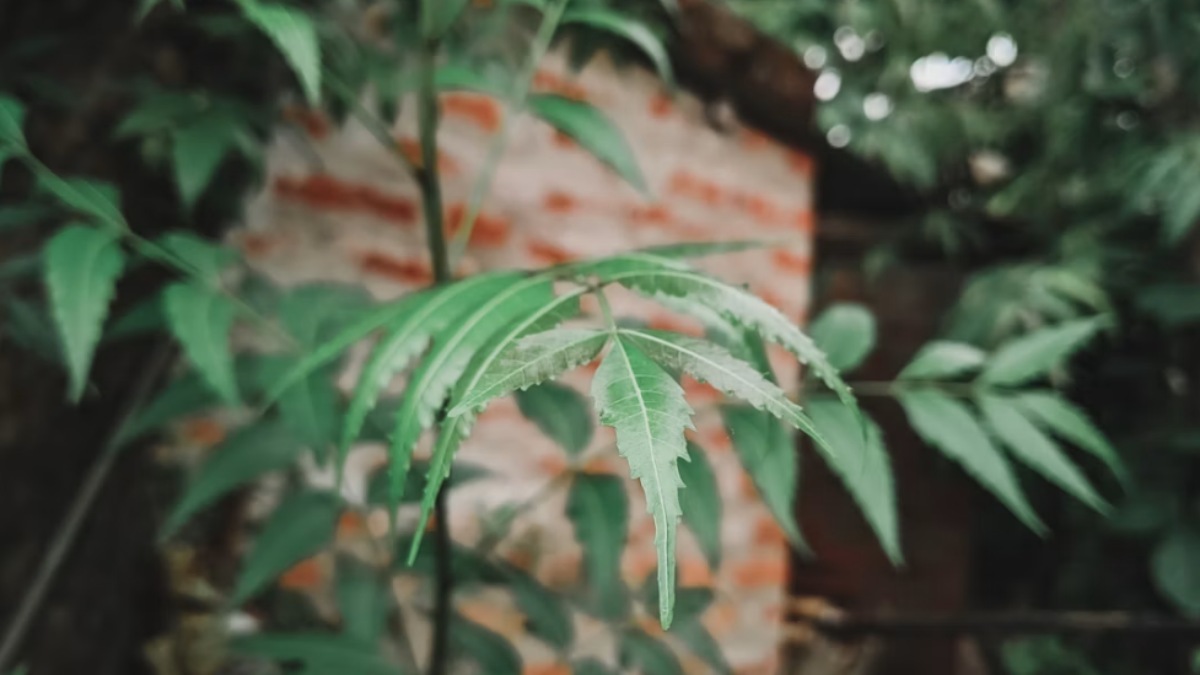
Neem has several biologically active compounds, and researchers have studied its antimicrobial, anti-inflammatory and insect-repellent properties. At the same time, many traditional health claims about neem are not well substantiated by strong human studies. It is better to view the applications of neem as traditional practices, not proven treatments.
Here are eight common traditional ways neem has been used.
Related Articles


8 Traditional Ways To Use Neem At Home.
1. Neem leaves for skin care
Neem leaves have traditionally been used in homemade skin preparations. Fresh leaves can be crushed into a paste and applied to the skin. Neem-based preparations have been used for acne, itching, and some skin infections. But applying homemade neem preparations to damaged or irritated skin can sometimes irritate, so a small patch test is sensible.
2. Neem water for bathing.
Neem leaves are added to water used for bathing. The practice has been associated with traditional skin care during periods of itching or certain skin complaints. However, neem water should not be considered a treatment for infections or serious skin conditions. Persistent rashes or infections need medical evaluation.
3. Neem twigs for oral hygiene
One of the oldest uses of neem is as a natural chewing stick. People tend to chew small neem twigs and use the softened part to clean their teeth. Neem has also been studied in relation to oral hygiene, but it should not substitute for fluoride toothpaste and professional dental care.
Related Articles


4. Neem leaves as insect repellent
Neem has a long history of being used against insects. Neem leaves and neem oil are traditionally used to repel insects, while neem oil is widely used as a natural agricultural pesticide. Dried neem leaves have been placed with stored grains and cereals to help keep insects away.
5. Neem oil for hair and scalp care
Neem oil is usually used in traditional personal care practices for the scalp and hair. It is sometimes included in preparations intended to manage dandruff or scalp irritation. But there is little evidence to show that any of these benefits hold, and concentrated neem oil can irritate the skin in some people.
6. Neem leaves in traditional cooking.
Tender neem leaves are often used in some Indian household dishes and seasonal meals. The leaves are usually cooked with other ingredients because of their intensely bitter taste. Neem leaves have also been used in past times for digestive management and other health problems, although there is not enough clinical evidence to recommend neem as a treatment for digestive disorders.
7. Neem leaves for protecting stored food.
Neem leaves have traditionally been placed among stored grains, pulses and cereals to discourage insects. This is one of the plant's better-known household and agricultural uses. Neem compounds are also commonly studied and used in natural pest-control products.
8. Neem as a garden pest control method.
If you grow vegetables or other plants, neem can also have a practical role in gardening. Neem oil and other neem-based products are used as botanical pesticides and insect repellents. They can be useful as part of an integrated pest-management approach, but gardeners should follow the instructions on commercial products and avoid excessive application.
Use Neem Carefully
Neem may be natural, but that doesn’t mean every form of it is safe for everyone. There is little evidence supporting specific medicinal doses, and there is no established dose that can be recommended for treating health conditions. Oral neem oil can be particularly dangerous for children, with serious poisoning cases reported.
Pregnant or breastfeeding women, young children, and people with existing health conditions should avoid taking neem internally without medical advice. Neem can also interact with medicines or potentially affect blood sugar, so people taking medication should check with a healthcare professional before using it regularly.
For most households, the simplest approach is to appreciate neem for its traditional and practical uses, particularly gardening, insect control and personal care practices. It can be a useful plant to have around, but traditional remedies should not replace proper medical treatment when someone is unwell.


Comments 0