
Most people regard a normal body mass index (BMI) as a sign of health. BMI is a good screening tool for health and is a good measure of health but it’s not the complete picture of someone’s health. Someone who has a healthy weight, in the range of the recommended weight, might still have high blood pressure, high blood sugar, high cholesterol levels, and excess abdominal fat.
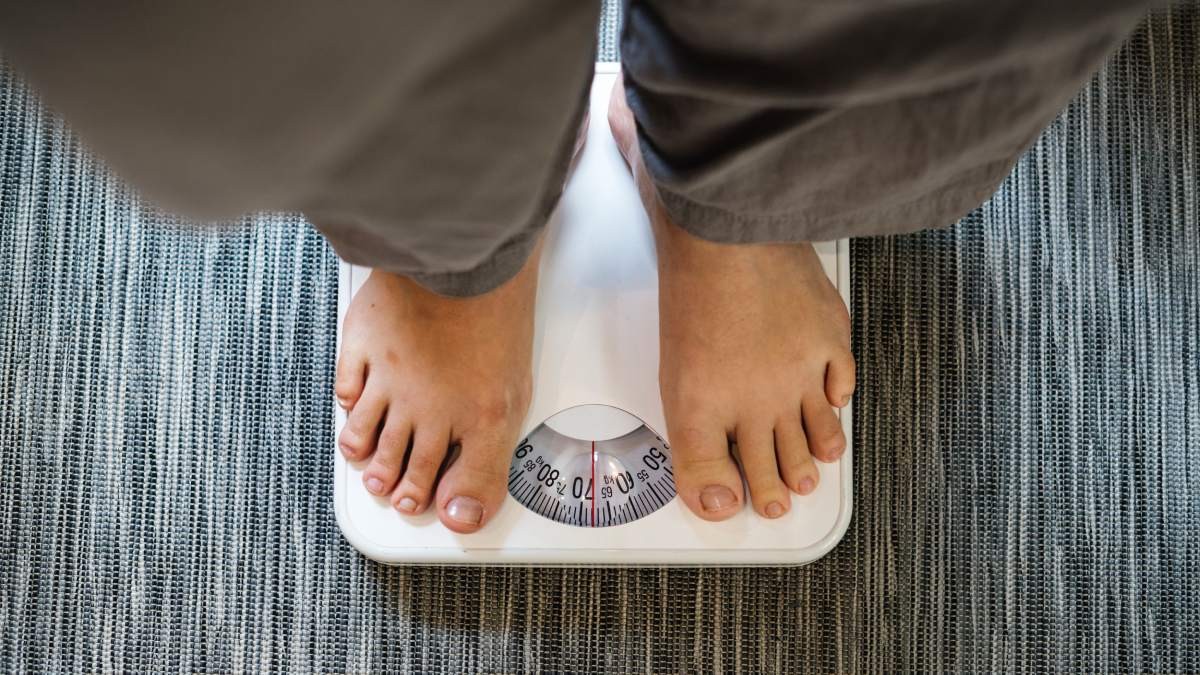
BMI estimates weight in relation to height. It does not measure body fat, where fat is stored and how efficiently the body works.
Dr. Rahul Mehrotra, cardiologist, explained why people should look beyond BMI when assessing their health. He listed five more markers that can help give a broader understanding of metabolic health and cardiovascular risk.
Related Articles


These early warning signs can be useful for us to catch health problems— and often they are not there in very clear symptoms.
What is BMI and why is it not enough?
Body mass index is calculated by dividing the weight in kilograms by the square of the height in metres. On average, a BMI of 18.5-24.9 is considered healthy according to standard international standards.
But BMI has limitations. It does not distinguish muscle and fat and does not give an indication of how much fat is concentrated around the abdomen. It does not measure blood pressure, blood sugar, cholesterol, or physical fitness.
Related Articles


So that two people who have the same BMI might have different levels of muscle mass, waist measurements, and cardiovascular risk factors, for example.
That is why a normal BMI should not be interpreted as proof of perfect health. Health markers can help people and their doctors to make better decisions about preventive care.
5 Health Markers To Check Beyond BMI
1. Waist Circumference.
Waist circumference provides information on abdominal fat and is associated with increased risk of insulin resistance, type 2 diabetes and cardiovascular disease.
A person may have a normal BMI but still have to carry excess fat around the abdomen. That may be relevant as fat distribution is related to metabolic health and not just weight.
Therefore waist circumference measurement can provide further information that BMI alone cannot provide.
But waist measurements should be interpreted to some extent based on appropriate guidelines that take into account sex and ethnicity. A single measurement does not tell if someone has any medical condition.
2. Blood pressure
Blood pressure measures the force that circulating blood is exerting on the walls of the arteries. High blood pressure is associated with heart disease, stroke and kidney problems.
The problem is that high blood pressure is frequently not detected and may not show symptoms. Someone may have a healthy body weight and a normal BMI and still have high blood pressure.
Blood pressure monitoring can help identify changes early on so healthcare professionals can check for them. Any high readings will be taken by a professional and lifestyle changes or treatment will be advised.
Blood pressure can also be interpreted in context, as stress, physical activity and measurement technique can temporarily affect readings.
3. Blood Sugar And HbA1c.
Blood sugar levels indicate how much glucose is circulating in the blood. The human body uses glucose as an energy source, and insulin releases glucose from blood into cells via the body.
If blood sugar remains high, it may be indicative of prediabetes or diabetes, both of which can affect people of all weight groups even those with a normal BMI.
Fasting blood glucose and HbA1c are two commonly used tests.
A fasting blood glucose test measures blood sugar after a period without food. An HbA1c test provides an average blood glucose level for the last two to three months.
These tests could help doctors determine whether glucose regulation is a problem before complications develop. The patient's medical history and clinical situation determine the test and interpretation.
4. Lipid Profile.
A lipid profile describes the fats in blood such as cholesterol and triglycerides. These measures are used by medicine to assess the risk of cardiovascular disease.
The test generally includes low-density lipoprotein (LDL) cholesterol, high-density lipoprotein (HDL) cholesterol, and triglycerides.
High LDL cholesterol can lead to plaque build-up in arteries which increases the risk of heart attacks and strokes. HDL cholesterol can help to ferry cholesterol away from arteries, but overall cardiovascular risk is not only a cholesterol level and it is not a cholesterol level alone.
Even when a person’s weight is in the normal BMI range, unhealthy cholesterol levels can occur. Lipid levels are affected by genetics, diet, physical activity, some medical conditions and more.
A lipid profile can be used to find abnormal patterns and lifestyle changes or medical treatment for them.
5. Physical Fitness And Muscle Strength.
BMI does not measure how well the body performs during physical activity. Two people with similar BMI measurements may have very different levels of cardiovascular fitness, muscle strength, and endurance.
Regular physical activity was found to be associated with heart health, muscle mass, and the body’s ability to control blood sugar.
As people age, muscle strength is very important for life, mobility, and independence.
Brisk walking, cycling, swimming, and other aerobic exercises are beneficial for cardiovascular fitness. Strength-training exercises may support muscle strength.
People should choose activities that suit their fitness level and health condition. Those with existing health issues or concerns about exercising safely should seek appropriate medical guidance.
How do I get a better picture of your health?
A more comprehensive assessment is based on BMI in addition to other factors such as medical history and lifestyle. Waist circumference, blood pressure, blood sugar, cholesterol and physical fitness can give different information about health risks.
Regular health check-ups are particularly helpful for people with a family history of diabetes or heart disease, a sedentary lifestyle or other known risk factors. Testing is customized and frequency should be determined by doctors.
Healthy habits are also important. Eating a balanced diet, exercising regularly, sleeping well, avoiding tobacco, and limiting alcohol can support cardiovascular and metabolic health.
But these aren’t a substitute for medical screenings. Some health problems emerge without visible signs, so routine assessment is important even when good health is on the way.
Even a normal BMI is a good start, but it should not be the only measure we use to assess health. Physiological and mental health are much more than body weight; we may not be able to understand any of the physical or structural symptoms.


Comments 0