
India has strengthened its position as one of the world's leading destinations for medical tourism, with more than 18.11 lakh foreign patients visiting the country for treatment between 2023 and 2025. The impressive figure reflects India's growing reputation for delivering high-quality healthcare, internationally trained doctors, advanced medical technology, and affordable treatment costs compared to many developed nations.
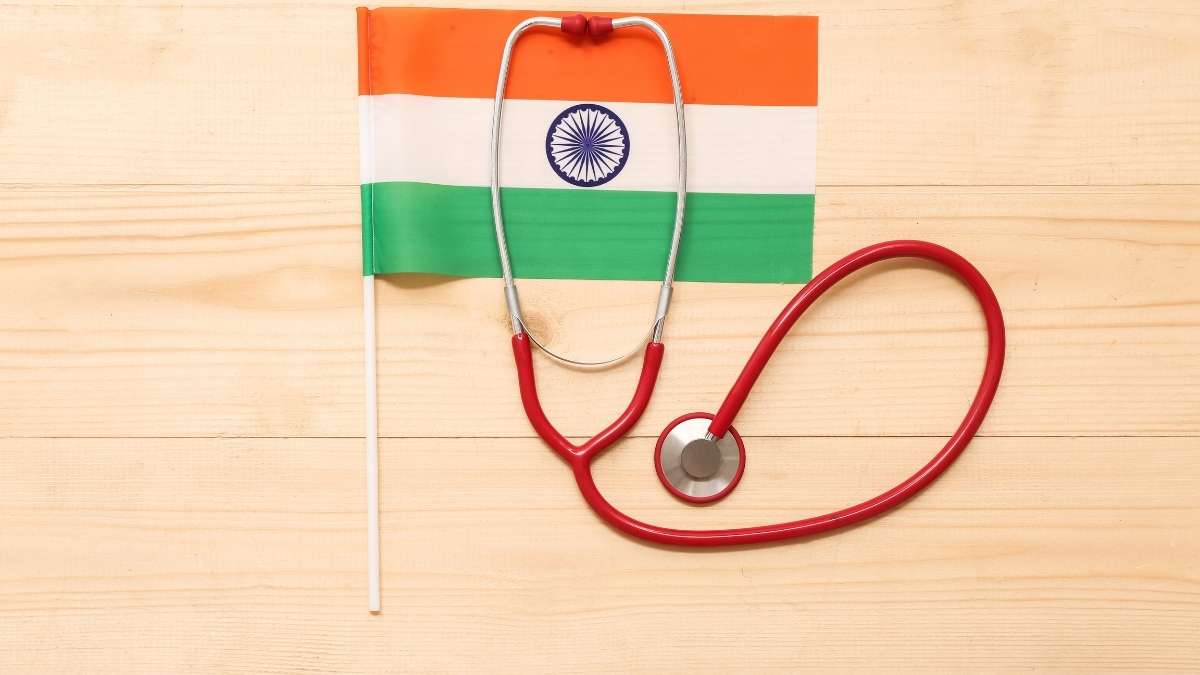
Medical tourism has become a major contributor to India's healthcare and service economy. Patients from Asia, Africa, the Middle East, Europe, and even North America are increasingly choosing Indian hospitals for specialized treatments ranging from cardiac surgery and cancer care to organ transplants, orthopaedics, fertility treatment, and cosmetic procedures.
One of the biggest reasons behind India's popularity is cost-effective healthcare. Medical procedures in India often cost 50% to 80% less than in countries such as the United States, the United Kingdom, and several European nations, while maintaining international standards of care. This significant cost advantage enables patients to receive world-class treatment without compromising on quality.
Related Articles


India is also home to numerous hospitals accredited by globally recognized organizations, equipped with state-of-the-art medical infrastructure and modern diagnostic facilities. Many Indian doctors and surgeons have received training or professional experience at leading international institutions, further enhancing confidence among overseas patients.
Another key factor driving medical tourism is shorter waiting periods. In many countries, patients face long delays before receiving elective surgeries or specialized medical procedures. In India, many treatments can be scheduled much more quickly, allowing patients to receive timely care and begin recovery sooner.
The Indian government has also introduced initiatives to support the sector, including medical visas, e-medical visas, and policies designed to improve access for international patients. These measures have simplified travel and treatment processes, making India an increasingly attractive healthcare destination.
Related Articles


Popular treatment areas attracting foreign patients include cardiology, oncology, neurology, nephrology, orthopaedics, organ transplantation, fertility treatment (IVF), cosmetic surgery, ophthalmology, and robotic surgery. In addition, traditional wellness therapies such as Ayurveda, Yoga, Naturopathy, Siddha, and Unani continue to attract visitors seeking holistic healthcare experiences.
Medical tourism also generates significant economic benefits by creating employment opportunities across hospitals, hotels, transportation, hospitality, pharmaceuticals, diagnostics, and wellness services. As international patient arrivals continue to rise, the sector is expected to play an increasingly important role in India's healthcare ecosystem and economic growth.
Experts believe that continued investment in healthcare infrastructure, digital health services, telemedicine, research, and international accreditation will further strengthen India's global competitiveness in medical tourism. Expanding international collaborations and maintaining high standards of patient safety will also be essential for sustaining long-term growth.
With over 18.11 lakh foreign patients choosing India between 2023 and 2025, the country has firmly established itself as a trusted global healthcare destination. Combining affordable treatment, experienced medical professionals, advanced technology, and compassionate patient care, India continues to earn the confidence of patients from around the world and reinforce its position as a leading hub for medical excellence.


Comments 0