
Children feel very intense emotions at times. Anger, frustration, disappointment, and excitement can sometimes prompt them to react before they’ve had time to think. Encouraging children to learn to “pause before you react” will help them develop emotional intelligence, self-control, and a better way of communicating.
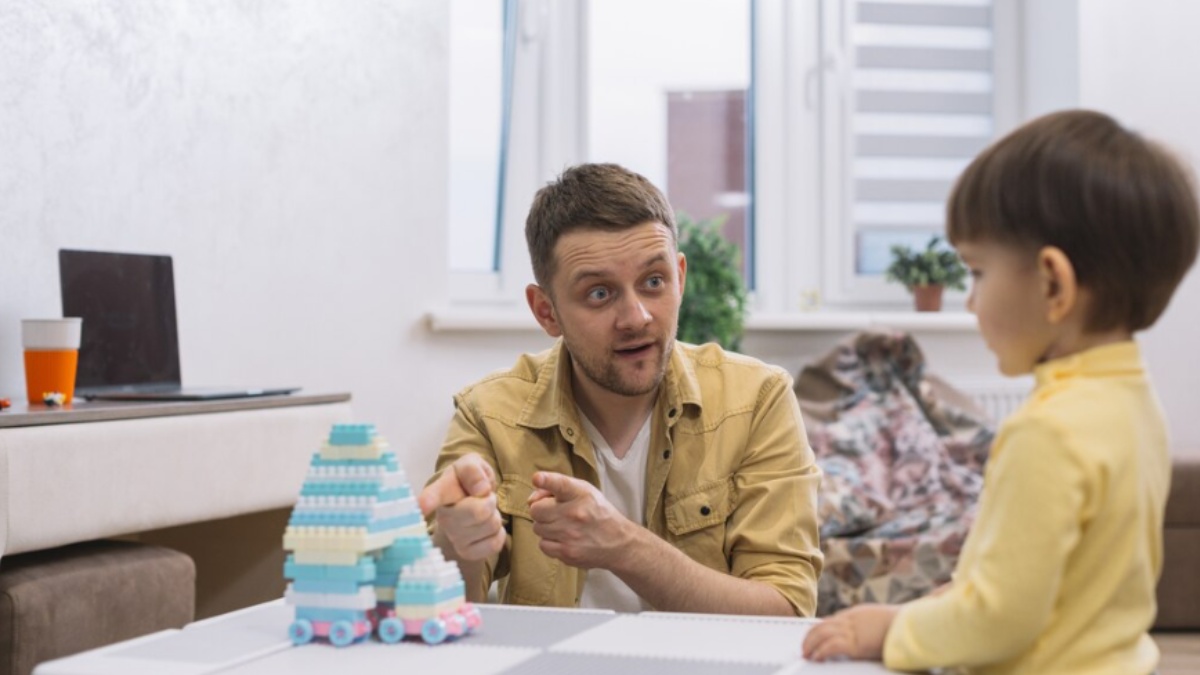
In so doing, we are not asking kids to suppress their feelings. The goal is to give children that small space between feeling an emotion and responding to it.
What Does “Pause Before You React” Mean?
The habit is simple: “stop for a moment, take a breath, and think before responding.”
Related Articles


If a child is angry because a sibling takes his/her toy, they might start shouting or grabbing it back. With practice, the child can learn to stop, take a breath, and examine what they want to say or do next.
Even a few seconds can make a difference.
Why Is This Habit Important for Children?
Children are still learning to manage emotions and control impulsive reactions. A break opens their eyes to what they are feeling before acting on it.
Related Articles


Over time, this can help children:
- Respond instead of immediately reacting
- Express anger and frustration more calmly
- Think about the consequences of their actions
- Listen to other people
- Handle disagreements more effectively
- Make thoughtful decisions
The skill can also be useful at school, in friendships, and later in adulthood.
Teach the “Stop, Breathe, Think” Method
Parents can make the habit easy to remember by teaching a three-step routine:
Stop: Ask your child to stop what they are about to do.
Breathe: Take one or two slow, deep breaths.
Think: Ask, “What happened? How am I feeling? What can I do next?”
The process should be practiced regularly rather than introduced only when the child is already extremely upset.
Practise During Calm Moments
Children struggle to learn new skills when they are inundated with emotions. So parents can practise the pause technique during peaceful moments.
Try role-playing common situations. For example, pretend that someone has interrupted the child while he is speaking or taken their favourite toy. Ask them to practice stopping, breathing, and choosing an appropriate response.
Repeated practice can help to recall the behaviour in real situations.
Parents Can Lead by Example
Children learn very well from watching adults. If parents immediately shout when frustrated, children will follow that behavior.
Parents can demonstrate the habit by saying, “I am feeling frustrated, so I am going to take a breath before I answer.”
This shows kids that pausing is not punishment or weakness. It is an emotional skill that adults also have to develop.
Avoid Turning the Pause Into a Punishment
The technique is not meant to quiet children or make them stop being angry. Parents should acknowledge the emotion and guide the behaviour.
Instead of saying “stop being angry,” say “It is okay to feel angry. Let’s pause and think about what you want to say.”
That’s a way to teach children that feelings are acceptable, but not every reaction is helpful.
Make It a Daily Habit
The “pause before you react” technique works better when it is built into day-to-day family life. Parents can use reminders such as “Take a breath first” or “Let’s pause and think.”
With patience and consistent practice, children can gradually become better at recognizing their emotions and choosing their responses.
Ultimately, the pause is a small habit with a valuable lesson: you cannot always control what you feel, but you can learn to choose how you respond.


Comments 0