
Pollution is a big environmental issue and it affects the air we breathe, the water we drink and the environment where we live. Pollution can affect human health and the natural environment, from vehicle emissions and industrial smoke to plastic waste and contaminated water. It is critical to protect yourself from pollution and prevent illness at the same time in order to preserve health and quality of life.
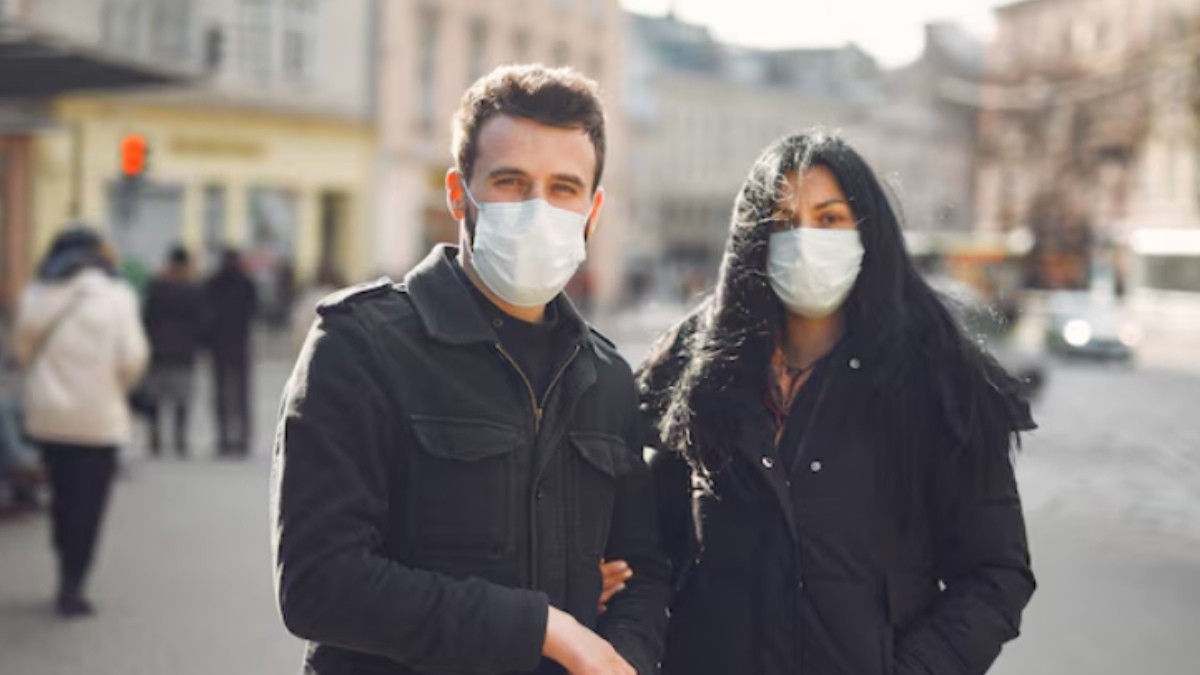
While pollution avoidance may not always be possible, daily habits like simple ones may help reduce exposure and promote a healthier lifestyle.
How Pollution Affects Your Health
Air pollution is one of the most common forms of pollution people experience every day. Dust, smoke and fine particles can reach a person’s lungs and irritate them. Polluted air can cause asthma, coughing, lung problems and increase the risk of heart and lung disease in the long run.
Related Articles


Children, older adults, pregnant women and people with respiratory or cardiovascular conditions are particularly vulnerable to the effects of pollution.
Water pollution also poses health risks. People who drink polluted water can be exposed to harmful microorganisms and chemicals that can lead to infections and other health problems. Meanwhile, pollution in food and soil can be transferred to the food chain and affect human health.
Why Protecting Yourself from Pollution Matters
Taking precautions against pollution can help reduce unnecessary exposure to harmful substances. Cleaner air and safe water for all living things are part of the basis of health and are good for life in general.
Related Articles


Reducing exposure to pollution may also help people manage existing respiratory conditions and avoid irritation caused by dust, smoke and chemical fumes. Protecting yourself is especially important if you spend long hours outdoors, travel through heavy traffic or live near industrial areas.
Pollution protection is not only about preventing illness. It also encourages healthier habits, greater environmental awareness and a better quality of life for individuals and communities.
Simple Ways to Protect Yourself from Air Pollution
You can take several practical steps to reduce exposure to polluted air.
- Check air quality: Check the local Air Quality Index (AQI) before planning outdoor activities, especially when pollution levels are high.
- Wear a suitable mask: A good N95 or similar respirator for outdoor air pollution is appropriate for reducing exposure to fine particles. And it won’t protect against every pollutant or gas.
- Limit outdoor exercise during high pollution: It is better to do indoor activities when air quality is bad and if you have a respiratory condition.
- Keep indoor air cleaner: Don’t smoke indoors, avoid burning and ensure proper ventilation when outdoor air quality is acceptable.
- Maintain clean surroundings: Reduce dust accumulation and avoid burning trash and other waste.
Protect Yourself from Water and Other Forms of Pollution
Always use drinking water from a safe source. If contamination is suspected, follow local public health advice on the proper treatment methods for chemical contaminants, as boiling does not remove all the chemical contaminants.
Wash fruits and vegetables with safe water, dispose of waste responsibly and avoid contact with contaminated water or industrial chemicals. Follow label instructions and use appropriate protective equipment when handling cleaning products.
Reducing single-use plastics, recycling where possible and keeping neighborhoods clean can also help limit environmental pollution.
Small Lifestyle Changes Can Make a Difference
Choosing cleaner transport options when practical, avoiding unnecessary vehicle idling and supporting waste-reduction efforts can benefit both personal health and the environment.
But individual precautions alone cannot solve pollution. Strong environmental policies, cleaner energy, responsible industrial practices and improved waste management are also necessary.
Conclusion
Protecting yourself from pollution is an essential step towards a healthier life. Clean air quality, safe drinking water and smoke and dust management can help you take meaningful steps to protect your health.
Every small action counts. Combining personal precautions with community-wide environmental efforts can help create cleaner, safer environments for present and future generations.


Comments 0