
Protein has become one of the most popular trends in nutrition and it is now being incorporated into another everyday favourite, coffee. Coffee has been known in the industry as “proffee” when mixed with protein powder, a ready-to-drink protein shake or another protein-rich element.
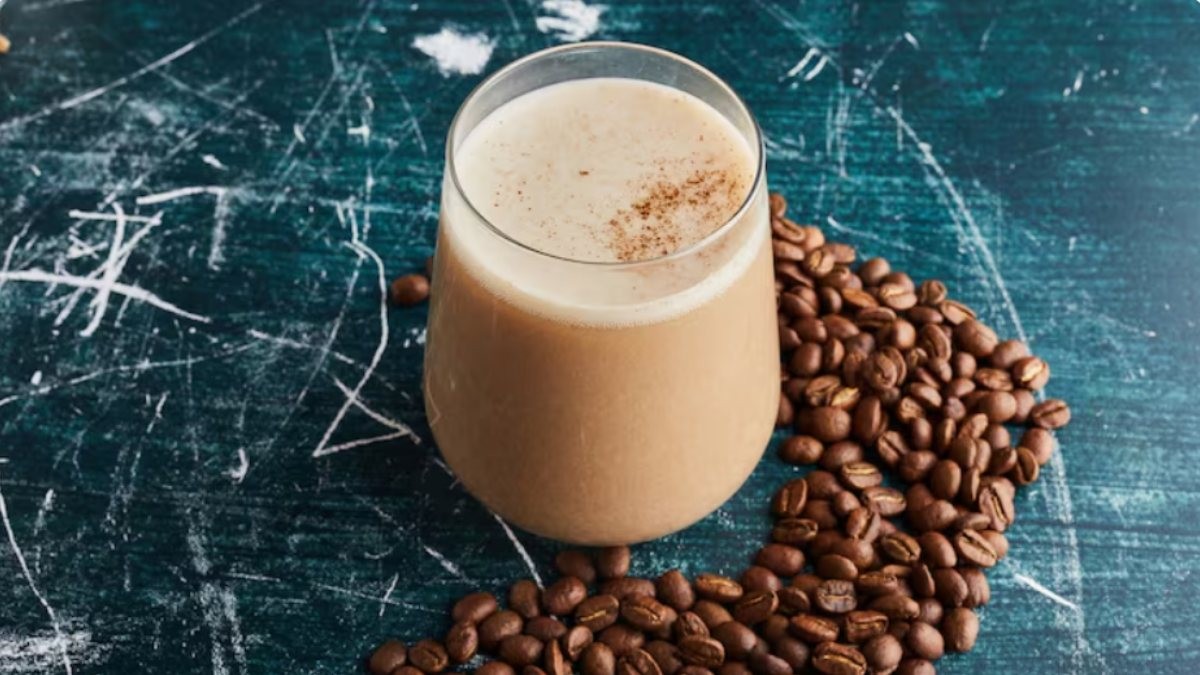
The trend has gained popularity among fitness lovers and those looking for quick breakfast options. The idea is simple: combine the alertness of caffeine with the satiety and muscle-supporting benefits of protein in a single drink.
But is protein coffee good for you, or is it just another food trend on social media? Nutrition experts say protein coffee can be good for you, but it should not be considered just another food trend.
Related Articles


Why is Proffee a trend?
Proffee is essentially coffee with protein. That could be protein powder put in coffee or brewed coffee mixed with a ready-made protein shake. Some people add high-protein milk or other protein-rich ingredients.
The attraction is mainly about convenience. Someone who has little time in the morning can get caffeine and a protein supplement without having to make breakfast at all. Protein coffee has also caught on with gym-goers who exercise in the morning and want a convenient way of adding protein to their diet.
Protein is an important nutrient in muscle repair and maintenance, and many other functions in the body. It can also increase feelings of fullness, which may help people stay satisfied between meals.
Related Articles


Protein coffee can be a reasonable option if it’s made with a good protein source and not too much added sugar and unnecessary ingredients, registered dietitians have said.
The drink ought to be part of a person’s diet, and not as a nutritional shortcut that renders a balanced breakfast unnecessary.
Does adding protein to coffee help with Fitness?
Hence, coffee and protein can be convenient for someone who is exercising regularly.
Coffee can be used to wake you up to work out, and protein provides amino acids that are necessary for muscle maintenance and recovery.
That makes this combination particularly convenient after a morning workout or for someone who wants something quick to do before moving on with their day. Experts, of course, note that the benefits come from the individual components of coffee and protein and not from some particular interaction between them.
Protein coffee will help people who don’t get enough protein in their everyday meals. A typical protein powder serving can provide about 10 to 30 grams of protein, but the amount varies greatly between products.
That does not mean everyone needs a protein supplement. People who already have sufficient protein in the form of eggs, dairy products, pulses, beans, fish, chicken, soy and nuts have little reason to add a supplement simply because it is trending.
Proffee is not the same as breakfast.
One of the biggest misconceptions about protein coffee is that it automatically qualifies as a complete breakfast.
And whole foods may have a broader range of nutrients than protein powders or ready-to-drink shakes, experts say. A good breakfast will give you protein with fibre, vitamins, minerals, healthy fats and carbohydrates.
Protein coffee is a helpful option if you’re short on time, but it should not be the excuse for skipping meals consistently. Protein coffee is a good alternative to skipping breakfast, but whole foods are more nutritionally complete according to Cleveland Clinic dietitian Kate Patton.
For example, someone who has protein coffee in the morning could pair it with fruit, nuts, whole-grain toast, eggs or another nutrient-rich food depending on their diet.
What are the downsides of Protein Coffee?
The biggest concerns are not necessarily that coffee and protein are going to go hand-in-hand, but what goes into the drink.
Some protein powders contain a lot of added sugar, calories, artificial sweeteners or other additives. Protein powders can also have very different ingredients and protein content, and some may contain contaminants, Harvard Health says.
Lactose intolerance or dairy allergies may cause digestive discomfort with whey, milk protein products and dairy proteins as well. Plant-based protein powders are another option for some people, but their nutritional profiles differ.
Caffeine is another factor to consider. Too much caffeine can cause nervousness, jitteriness, increased heart rate and difficulty sleeping. Sensitivity is subjective so adding protein to coffee is not going to affect the need to monitor the overall level of caffeine consumed.
Coffee later in the day can interfere with sleep, even if coffee itself does not feel particularly strong.
How To Make Protein Coffee Healthy.
If you want to enjoy the proffee trend, you can do so with more than just the name.
Consistently choose protein powder with a reasonable protein content and limited added sugar. Check the ingredients list, as some products can have a long list of sweeteners, flavourings and thickeners.
Protein powder can clump when added directly to very hot coffee. One option is to mix the powder with a small amount of cool or room temperature liquid first and then add it to the coffee. A very simple option is to mix coffee and a protein shake.
For those people who already have sufficient protein in their diet, there might not be much benefit to taking a supplement. The purpose of protein is not just to maximize protein intake but to meet nutritional needs.
Why should one try Proffee?
Protein coffee is a good option for those who want protein in addition to their morning coffee. And, for busy people or those who require an instant, light post-workout drink, it might be useful.
But it won’t be a weight-loss drink and doesn’t have to be an alternative to a balanced diet. The nutritional value for protein is heavily dependent on the product, the amount used, and what else a person eats in a day.
So protein powder is a convenient food option instead of a health solution, and you should treat it that way. If you like coffee and want more protein in your diet, this can be something good in your diet. But if your regular diet already has that protein, then protein powder doesn’t have to be added just because it’s popular.


Comments 0