
Protein is an essential nutrient for muscle growth, tissue repair, immune function, and many other processes in the body. But the amount of protein we consume each day is not something we actually pay much attention to.
A report that 80% of Indians are protein deficient has reignited the discussion about everyday diets, protein requirements, and the increasing popularity of whey protein supplements. The exact percentage may depend on the study, population, and definition of deficiency, but a lack of adequate protein is an important nutritional issue.
Protein supplements are commonly sold as an easy way to meet daily needs. But they are not necessary for everyone. Good protein-rich foods with a balanced diet will meet most people’s needs, and supplements may be useful if food alone doesn’t provide enough.
Related Articles


What is it to know about protein deficiency and whey protein and some of the myths about supplements?
Why is protein important for the body?
Protein is composed of amino acids that the body uses to repair its tissues. It also makes enzymes, hormones, and antibodies.
An adequate amount of protein is necessary for muscle building, recovery from physical activity, and for the body to work normally. Protein is also helpful for feeling full after meals; however, satiety is determined by the nutritional content of the whole meal.
Related Articles


The amount one requires varies according to age, activity level, and health status. People who are physically active, older people, pregnant or breastfeeding people, and people recovering from some disease may have different nutritional needs.
Periodically consuming too little protein is associated with muscle loss and poor nutritional status, especially if overall calorie intake is also inadequate.
Why might Indians not get enough protein?
So that is one of the factors for inadequate protein intake. Another is the way meals are organized in a daily way.
Many meals can contain large quantities of rice, roti, or other carbohydrate-rich foods but relatively small amounts of protein-rich ingredients. While these staple foods can provide some protein, they may not provide enough on their own.
Other factors also include limited dietary variety, food affordability, low awareness of nutritional requirements, and individual dietary restrictions.
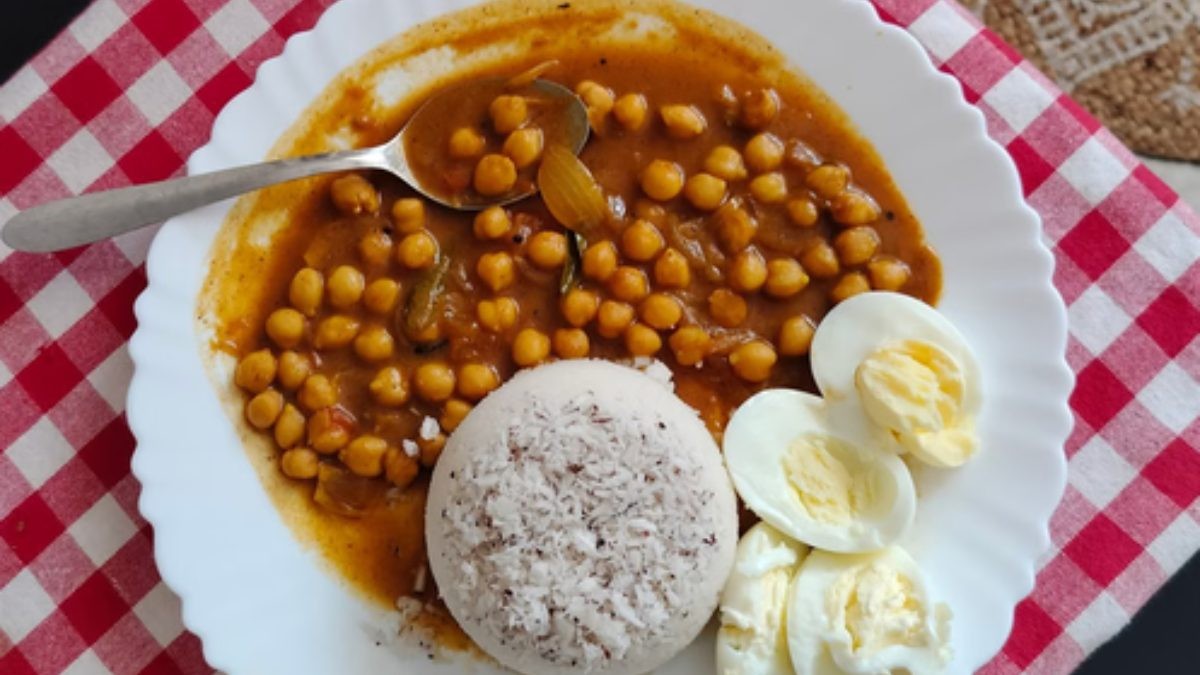
Vegetarian diets can provide enough protein, but they need to include suitable sources regularly. Lentils, chickpeas, kidney beans, soybeans, paneer, milk, curd, nuts, and seeds can all contribute to daily protein intake.
The point is not that every Indian diet is deficient. Rather, protein intake needs to be assessed based on what a person actually eats, their body requirements, and their overall nutritional status.
How much protein do you need every day?
Protein needs are not the same for everyone.
The Indian Council of Medical Research and the National Institute of Nutrition provide dietary advice for Indians. The ICMR-NIN's 2020 recommendations use about 0.83 grams of protein per kilogram of body weight per day as a reference for healthy adults.
For example, a healthy adult at 60 kg would require about 50 grams of protein daily using this reference.
This is a general guide, not a specific prescription from a doctor. Needs can be tailored by activity, age, pregnancy, health status, and other factors.
Athletes’ diets will need to be more precise and planned for muscle recovery to help. But eating more protein than the body needs is not a recipe for more muscle growth. Exercise, enough calories, sleep, and an overall healthy diet matter too.
What is whey protein?
Whey protein is a milk-based protein from cheese or paneer production and is processed into a powder that can be mixed with water, milk, or other ingredients.
Whey is considered a complete protein because it contains all nine essential amino acids that the body cannot produce on its own. It is also easy to prepare and can help people increase their protein intake without having to cook another meal.
So whey protein is popular among gym-goers, athletes, and people who struggle to meet their nutritional requirements through food alone.
Whey protein is not a requirement for building muscle. People can get enough protein from regular foods as long as their whole diet meets their needs.
5 Common whey protein myths explained.
Myth 1: Everybody who goes to the gym needs whey protein.
Fact: Whey protein is optional, not compulsory.
People who exercise can often meet their protein needs from foods like eggs, dairy products, pulses, soy, and other protein-rich ingredients. Protein powder may be convenient when these foods do not provide enough, but protein powder doesn’t have to be purchased for every gym member.
The choice is based on dietary intake, goals, convenience, and individual health needs.
Myth 2: Whey protein is a steroid.
Fact: Pure whey protein is a dietary protein derived from milk, not an anabolic steroid.
Steroids are different substances with different effects on the body. Whey protein provides amino acids that support normal body functions, like muscle repair.
But consumers should check product labels and buy from reliable sellers. A product marketed as a protein supplement should not be assumed to contain only whey unless its ingredients and quality have been verified.
Myth 3: Whey protein automatically damages the kidneys.
Fact: Whey protein in healthy adults is generally tolerated and safe to consume, but individual health conditions are important.
People with chronic kidney disease or other diseases that require protein restriction must not increase their protein intake or start taking supplements without the advice of a qualified healthcare professional.
But eating too much protein isn’t necessarily good. The right amount and the diet itself depend on the person and the other foods.
Myth 4: Protein supplements are better than natural foods.
Fact: Protein powder is a convenient source of protein, but it does not substitute the wider nutritional benefits of food.
Foods such as pulses, beans, eggs, dairy products, fish, soy, and nuts can provide protein and other nutrients. Many also provide fiber, vitamins, minerals, or healthy fats that a simple protein powder may not contain.
But, as such, supplementing the nutritional balance should not replace balanced meals.
Myth 5: More protein means faster muscle growth.
Fact: Muscle growth depends on several factors, not protein intake alone.
Resistance training, adequate total food intake, recovery, and sleep all contribute to muscle development. Once protein needs are met, consuming additional amounts may not provide further benefits.
It is better to focus on meeting an appropriate daily target than to consume excessive quantities of protein powder.
Can you meet your protein needs through an Indian diet?
Yes. A well-planned Indian diet can provide sufficient protein without supplements.
Vegetarian options include dal, rajma, chana, soybeans, tofu, paneer, milk, curd, peanuts, and seeds. Combining cereals and pulses (like rice with dal or roti with chickpeas) can help improve the overall amino acid balance of a meal.
People who eat eggs, fish, chicken, or other meat can also include these foods as protein sources, according to their preferences.
Portion sizes and the protein content of individual foods matter. Simply eating dal occasionally or adding a small amount of nuts to a meal may not be enough to meet a person’s daily needs. Protein sources will be better served through meal planning so you can manage intake. Anyone who is not certain about what they need is suggested to consult a registered dietitian based on their diet, weight and health needs.
How do I get to know a protein supplement on a very fine scale?
If that supplement would be of use, then focus on quality and not just on what’s popular or what’s marketed, as in what’s the best thing to do for you to do.
Do you know those points before buying:
- Read the label: Check the actual protein content per serving and the full ingredient list.
- Check added ingredients: Look for excessive added sugar, unnecessary additives or complicated blends that you do not need.
- Buy from reliable sellers: Use authorised retailers and verify product details where possible.
- Look for credible quality checks: Independent testing can give more confidence in a product's contents and purity.
- Don’t get too excited about the hype: Don’t take things to the next level when it comes to product claims of quick muscle building and weight loss and dramatic health benefits.
You can look for medical advice on your health problems: People with milk allergies, kidney disease or other health conditions should be aware of their health concerns before taking a supplement.
The quality of protein powders, however, can differ and packaging claims alone do not guarantee that a product is really what it says it is.
What do nutrition guidelines say about protein supplements?
Protein powders are not necessary for people who eat a balanced diet.
ICMR-NIN’s 2024 Dietary Guidelines for Indians discuss protein powders and supplements and caution against their routine use, citing added sugars, sweeteners and flavouring additives in some products. Nutrition is also given weight through a balanced diet the guidelines suggest.
This is not to say that each protein supplement is harmful. But supplements should be taken care of when nutritional reasons are present and when they are clearly well-established instead of just because they are popular.
People who can't meet their needs through food, have increased needs or need nutritional support may receive individual advice from a doctor or registered dietitian.


Comments 0