
Carrots are associated with good eyesight, and there is a nutritional reason behind that reputation. The vegetable has beta-carotene, a plant pigment that the body can convert into vitamin A. Vitamin A is crucial in normal vision, immune function and cell growth and development.
And how much do you get out of carrots raw or cooked?
The answer is slightly more complex than simply calling one option healthier. But carrot food is still good and has fibre and other nutrients. If you are trying to gain beta-carotene levels, you need to cook carrots; that is a benefit.
Related Articles


Why do cooked carrots help with Vitamin A Absorption?
Carrots contain beta-carotene, a provitamin A carotenoid, which is the body’s way of converting it into vitamin A. But not all beta-carotene in food is absorbed and used by the body. The structure of the food and the way it is prepared can have a bearing on its bioavailability.
Cooking softens the plant’s cellular structure. This can make carotenoids such as beta-carotene more accessible during digestion. Heat treatment has been reported to increase the bioavailability of beta-carotene in vegetables, such as carrots.
That doesn’t mean raw carrots are a bad thing. They are still good and convenient, as a snack or part of a salad. The difference is that cooking can make some nutrients easier for the body to access.
Related Articles


The cooking method also matters. A gentle cooking style, such as steaming, roasting, baking or lightly sauteing, can be useful. Very prolonged or intense cooking won’t necessarily be much better for you, as excessive heat does indeed affect some carotenoids and can affect metabolism and some nutrients.
Healthy fats are so important in the health of the body.
There is another simple factor that can make a difference: what you eat with your carrots.
Vitamin A is a fat-soluble vitamin, and dietary fat can help the body absorb and utilize carotenoids more efficiently. Research has shown that dietary fat helps absorb and convert beta-carotene.
That means carrots do not need to be plain in any way to be eaten to reap a lot of nutritional benefits.
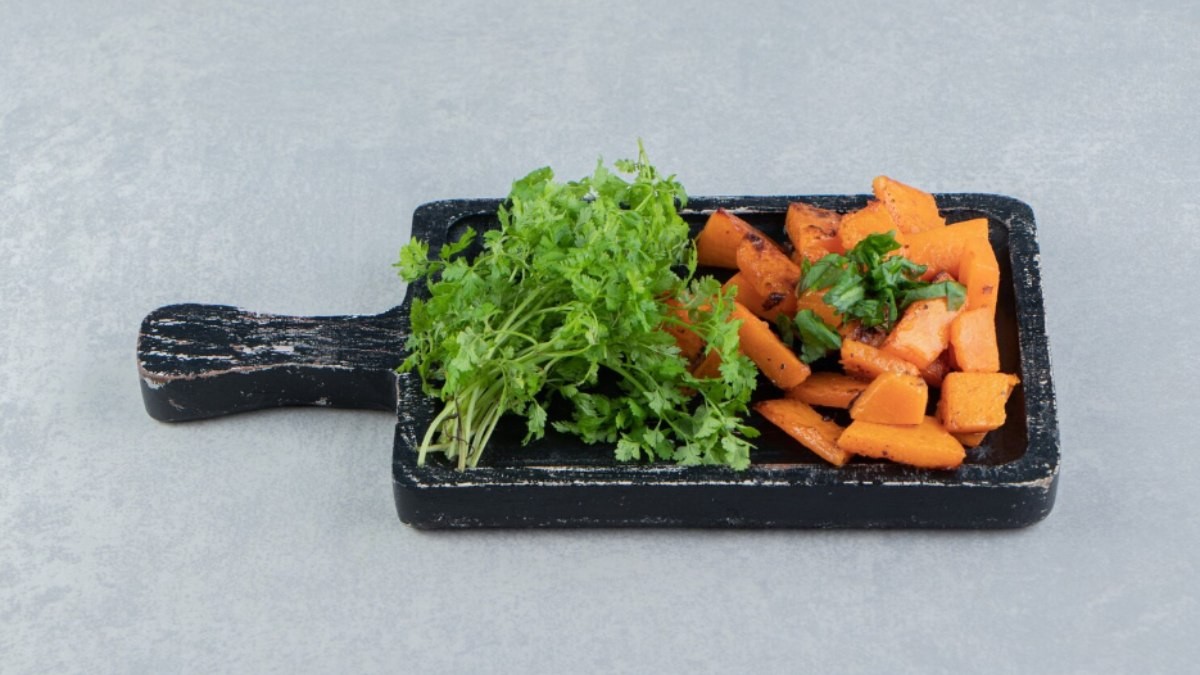
Olive oil roasted carrots with a little olive oil can be a good recipe. You can also add cooked carrots to a meal that has other sources of well-balanced fat. Not with a lot of oil but some of it.
Studies have also shown that processed or cooked carrots provide more beta-carotene content than raw carrots. Processed carrots have been shown to have a greater level of beta-carotene in blood than raw carrots.
So should you stop eating raw carrots?
Not at all.
Even though raw carrots are not on the table (and they are healthy) they are crunchy, easy to eat, and they provide some fibre and nutrients. They can be added to salads, fed as a snack, or put in fresh vegetable preparation.
If you want to maximize beta-carotene and vitamin A levels, however, lightly cooked carrots with a small amount of healthy fat could be the best choice.
Steaming, roasting or lightly sautéing carrots can be practical strategies. Cooking for less time would also help preserve other nutrients that may be more sensitive to heat.
And the best way for that is not an either-or choice. Carrots that are raw and cooked can offer you variety as well and offer the nutritional benefits of being able to eat them both.
The biggest lesson was that carrots will be available for beta-carotene in such a small amount of healthy fat that the biggest takeaway is: season carrots at least a little lighter so that the beta-carotene is available and they go into the right places.
Vitamin A is critical for vision and immune function; the carrots are just one source of this vitamin. A balanced diet of a variety of vegetables, fruits and other nutrient-rich foods is the overall basis for health.


Comments 0