
Samantha Ruth Prabhu’s approach to fitness has long attracted attention for its focus on strength, discipline and overall wellbeing. In a pregnancy-related fitness conversation, the idea of training can take on an entirely different meaning when the body is undergoing one of its biggest physical transformations. As Samantha put it, her goals are different now that she is “growing a tiny human.”
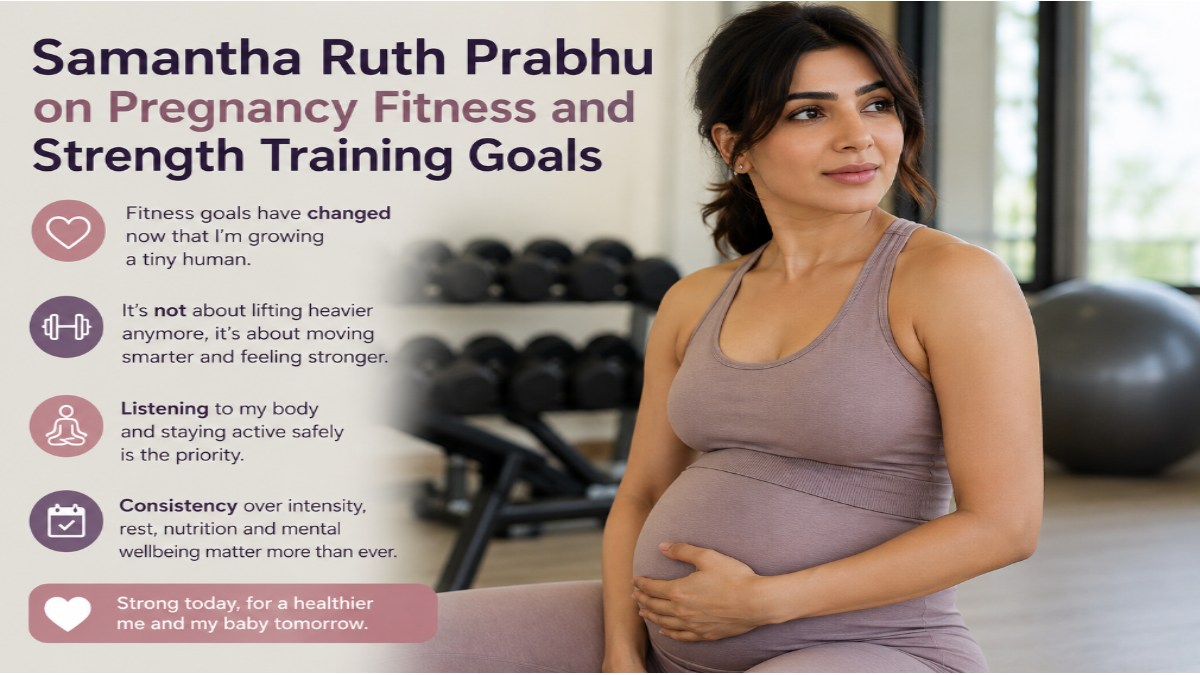
Pregnancy can change how a person moves, recovers and responds to exercise. Instead of chasing personal records, aesthetics or maximum performance, fitness during pregnancy often becomes more about maintaining functional strength, mobility, energy and confidence while respecting the body's changing needs.
Fitness Goals Can Evolve During Pregnancy
Before pregnancy, strength training may revolve around building muscle, increasing lifting capacity or achieving specific body-composition goals. During pregnancy, those priorities can shift considerably.
Related Articles


For an expecting mother, exercise may be approached with the aim of supporting everyday movement, maintaining strength and preparing the body for the physical demands of pregnancy, childbirth and the postpartum period.
That does not mean exercise has to stop. For people with uncomplicated pregnancies who have been cleared by their healthcare provider, physical activity can often remain part of the routine, although exercises, intensity and frequency may need to be adjusted.
Strength Over Performance
The concept of strength can look different during pregnancy. Rather than measuring success by how much weight can be lifted, a workout may focus on maintaining controlled movement and good technique.
Related Articles


Exercises that work the legs, hips, back, upper body and core can contribute to functional strength. However, the appropriate exercises vary from person to person, and movements that were comfortable before pregnancy may need modification as the body changes.
A qualified prenatal fitness professional can help tailor a program to an individual's stage of pregnancy, previous fitness experience and medical circumstances.
Listen to a Changing Body
Pregnancy can bring fatigue, nausea, changes in balance, altered posture and other physical changes. These factors can affect how a workout feels from one day to another.
One of the most important principles is therefore flexibility. A workout that feels manageable one week may feel unexpectedly difficult later. Reducing resistance, taking longer rest periods or choosing a lower-impact version of an exercise can be sensible adjustments.
There is no need to push through discomfort simply to maintain a previous training benchmark.
The Role of Functional Movement
As pregnancy progresses, daily movements can become more demanding. Getting up from a chair, climbing stairs, walking for longer periods or carrying everyday items may feel different.
Functional strength exercises can help maintain physical capacity for these activities. Balance, controlled squatting, posture, upper-body strength and mobility can all be useful areas to consider.
The emphasis is not on achieving a particular appearance but on supporting the body's changing needs.
Recovery Becomes Even More Important
Rest and recovery are essential parts of any training program, and they can become especially important during pregnancy. Sleep quality, energy levels and physical comfort may fluctuate.
A balanced approach can include rest days, gentle movement and sufficient nutrition and hydration. Pregnant people should discuss their individual nutritional and exercise needs with qualified healthcare professionals.
Pregnancy Is Not a Time for Comparison
Celebrity fitness journeys can be motivating, but every pregnancy is different. Comparing one's own body, workout schedule or abilities with someone else's can create unnecessary pressure.
Genetics, pre-pregnancy fitness levels, pregnancy symptoms, medical history and individual circumstances all influence what exercise is appropriate.
The most useful lesson from any public figure's fitness journey is not to copy their routine exactly, but to recognise that fitness goals may need to evolve with changing circumstances.
Safety Comes First
Not every exercise is appropriate for every pregnancy. Anyone who is pregnant should seek advice from their obstetrician, midwife or other qualified healthcare professional about the type and intensity of activity that is suitable for them.
Exercise should be stopped and medical advice sought if concerning symptoms occur. These may include vaginal bleeding, significant dizziness, chest pain, severe shortness of breath, painful contractions, fluid leakage or other symptoms that a healthcare professional has advised the individual to watch for.
A New Definition of Strength
The phrase “growing a tiny human” captures just how dramatically priorities can change. During pregnancy, strength is not necessarily about lifting heavier or training harder. It can be about adapting intelligently, staying active when appropriate and respecting the signals of a changing body.
Samantha Ruth Prabhu’s pregnancy fitness perspective offers a useful reminder that goals do not always have to remain fixed. Sometimes progress means changing the definition of success.
For an expecting mother, a meaningful fitness goal may simply be to feel strong, mobile and supported while allowing the body to do the extraordinary work of pregnancy. Ultimately, the safest and most effective pregnancy workout is one that is personalised, medically appropriate and flexible enough to change as the pregnancy progresses.


Comments 0