
Seasonal allergies are typically accompanied by sneezing, runny nose, itchy eyes, and congestion. For some people, allergy season’s effects may be more than physical and manifest in sleep, energy, concentration, and mood.
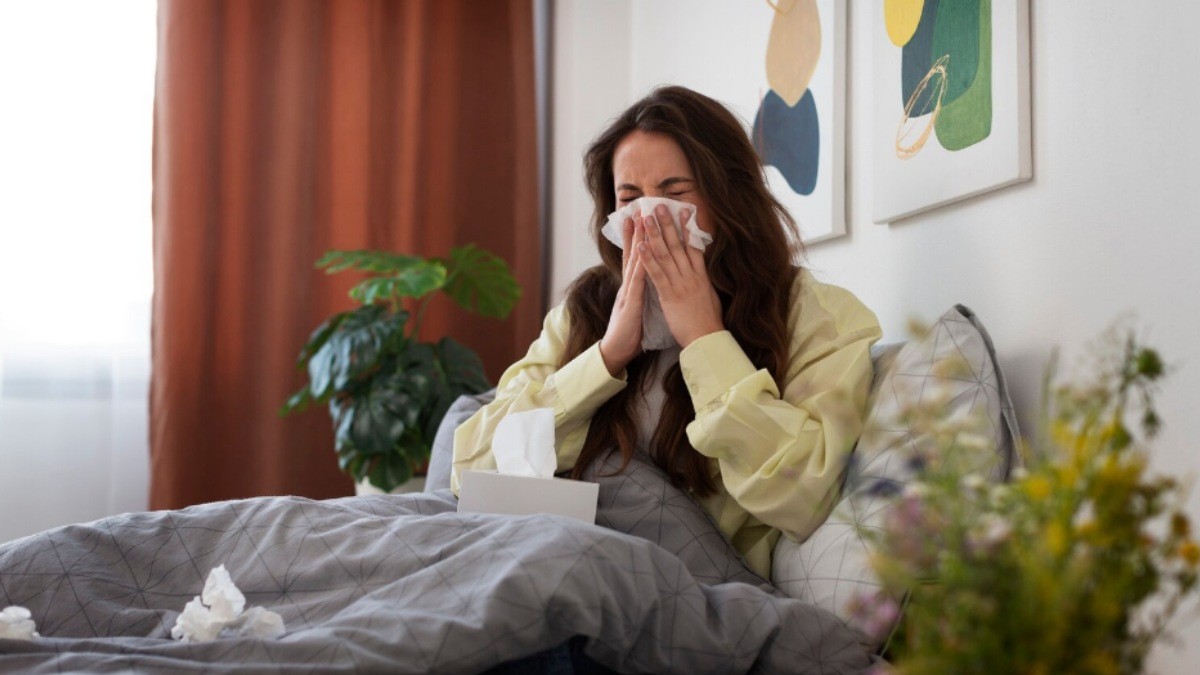
Experts are more and more examining the association between allergies and mental health. Seasonal allergies do not necessarily predict depression or anxiety, but research suggests that allergy symptoms are connected to psychological well-being.
A mixture of inflammation, sleep deprivation, fatigue, and the daily irritability associated with allergy symptoms can lead to changes in how a person feels during times of high pollen exposure.
Related Articles


How Seasonal Allergies Affect Mood
Seasonal allergies occur when the immune system reacts to allergens like pollen from trees, grasses, and weeds. Itchy or watery eyes can occur and the immune response can cause nasal congestion, sneezing, coughing and itchiness.
Yale School of Medicine allergist and immunologist Dr Florence Ida Hsu has explained that pollen itself is harmless, but the immune system of an allergic person can respond to it as something that needs to be expelled. The inflammatory response leads to the familiar symptoms of seasonal allergies.
Those symptoms may also affect mental health.
Related Articles


For example, nasal congestion and coughing may curb sleep; it might be difficult for a person to sleep comfortably. A person who wakes up every morning and wakes up tired the next day from repeated waking in the middle of the night can become tired the next day. Fatigue can then affect concentration, productivity, and overall emotional state of mind.
The Cleveland Clinic also notes that allergy-related fatigue can be linked to disrupted sleep, inflammation and, in some cases, side effects of allergy medication.
Sometimes you can develop a cycle in which chronic physical pain leads to chronic sleep and tiredness that can make day-to-day stress more difficult to handle.
What Research Says About Allergies And Mental Health
People have investigated as much as possible the association between allergies and psychiatric disorders.
A US population study published in the International Journal of Environmental Research and Public Health found that people with seasonal allergies had higher odds of reporting mood and anxiety disorders after adjusting for multiple demographic and behavioural variables. The study reported 28% greater adjusted odds of mood disorders and 43% greater adjusted odds of anxiety disorders among those with a history of seasonal allergies.
But these findings are an association rather than proving that seasonal allergies directly cause depression or anxiety.
Researchers have suggested several explanations. The physical burden of allergy symptoms can reduce quality of life, while congestion and other symptoms can interfere with sleep. Inflammation associated with the immune response has also been investigated as a possible pathway connecting allergic disease with mood changes.
Earlier research in people with recurrent mood disorders showed that changes in allergy symptoms during periods of higher pollen exposure were associated with changes in depression scores. However, the study was relatively small and did not show that pollen exposure caused mood changes directly.
Sleep and Fatigue Could Play a Major Role
One of the more immediate ways allergies may influence mental wellbeing is through sleep.
Seasonal allergic rhinitis can cause congestion, coughing, and other symptoms that slow people down in sleep and interfere with their ability to sleep on their own. People who wake up tired or uninspired, are not able to concentrate in the middle of the night, or are unable to concentrate to study because they are not able to sleep are at risk of feeling bad about sleep.
The American Medical Association reports that untreated allergic rhinitis can lead to fatigue because of poor sleep quality. It also links allergy symptoms with anxiety, depression, and cognitive dysfunction.
Medication might also be involved. Older antihistamines may take longer to take effect and may cause drowsiness, but newer antihistamines are generally less sedating. Anyone with significant daytime sleepiness after taking an allergy medicine should speak to a doctor, who will help them decide whether to stop the prescribed treatment.
When Allergy Symptoms Should Not Be Ignored
Sneezing or itchy eyes in allergy season is not necessarily a cause for concern. But symptoms that are persistent and interfere with sleep, work, studies, or day-to-day life are very serious and need treatment.
People experiencing continuing congestion, breathing difficulties, recurrent sinus symptoms, or severe fatigue should talk to a doctor in order to see if allergies or another condition are to blame.
Mood also needs to be taken into account. Poor sleep temporarily makes you tired or irritable, and that is different from long-term sadness, loss of interest, extreme anxiety, and other symptoms that impact daily life.
Anyone with severe or persistent mental health symptoms should seek professional help instead of assuming that allergies are the sole cause of the illness.
There is a risk that longer pollen seasons will exacerbate the problem.
Pollen is also a factor that is very much becoming increasingly important as environmental conditions are changing.
The US Centers for Disease Control and Prevention says climate-related changes can affect when pollen seasons start and end, how long they last, and how much pollen plants produce. Warmer temperatures, changes in precipitation, and higher atmospheric carbon dioxide may affect pollen exposure.
If people who are sensitive to pollen experience longer or more intense pollen seasons, there will be more days experiencing allergy symptoms.
Seasonal allergies, therefore, affect more than the nose and eyes. Physical discomfort, disrupted sleep, fatigue, and potentially inflammatory pathways may also affect mood and overall health in some people.
At the same time, there is no evidence in our current research that allergies cause mental health problems. There are a lot of different physical, environmental, and psychological drivers of allergy, and the relationship is complex. Managing allergy symptoms and reaching health care providers when there are still symptoms can help minimize their effect on daily life.


Comments 0