
Cancer is still one of the leading causes of death worldwide, but some of the risk factors that are known and widely known can be modified. About 30% to 50% of cancer cases could be prevented by avoiding key risk factors and using evidence-based prevention strategies, the World Health Organization says.
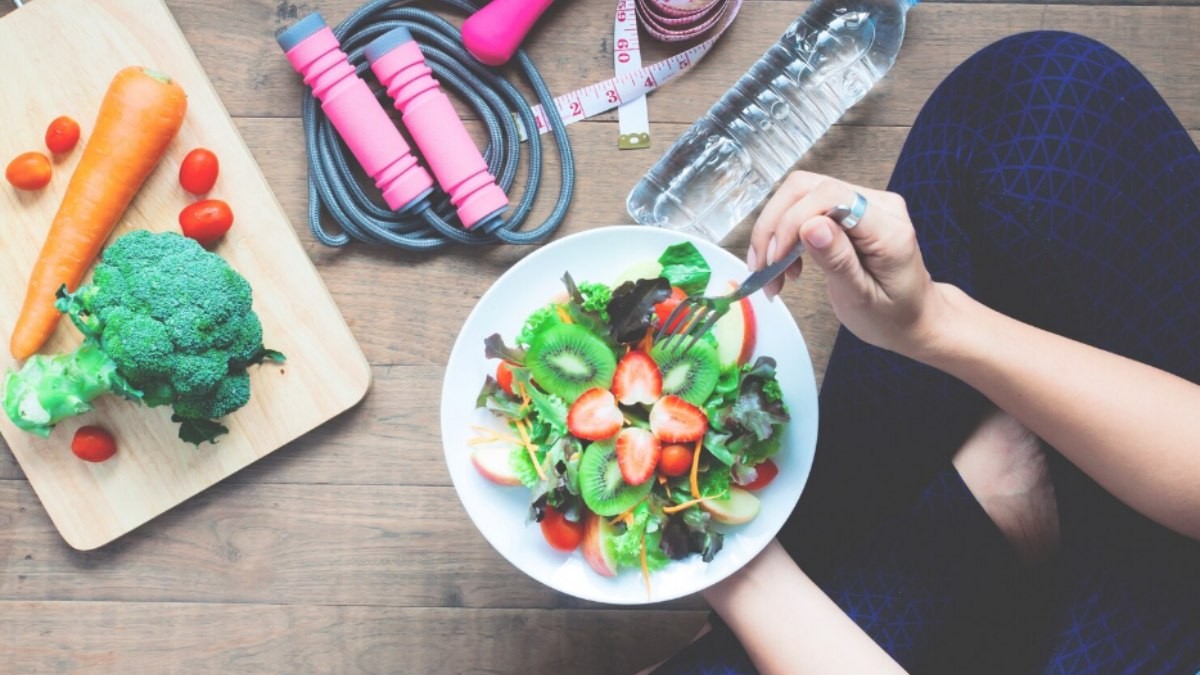
That does not mean lifestyle change can eliminate the risk of cancer. Age, genetics, certain infections and other factors can also influence cancer risk. But everyday choices can help reduce exposure to some preventable risk factors.
We include six practical habits that can be incorporated into a cancer-aware lifestyle, from not smoking tobacco to doing exercise.
Related Articles


1. So do not smoke
Tobacco is one of the most important steps people have to take to lower their risk of cancer.
Smoking and other forms of tobacco use are associated with many forms of cancer, such as lung, mouth, throat, oesophagus, stomach, kidney, bladder and pancreas. The National Cancer Institute notes that quitting smoking reduces the risk of developing cancer and dying from cancer.
Cancer risk is not just associated with cigarettes. Smokeless tobacco can be harmful, and other things contribute to cancer. Secondhand smoke is another risk that we can avoid.
Related Articles


At any age, people who use tobacco can quit. Healthcare professionals or established tobacco-cessation programmes can assist with it rather than try to do it all themselves.
2. Maintain Healthy Weight And Get Physically Active
Healthy body weight and physical activity are very important for cancer prevention.
The WHO identifies physical inactivity and high body mass index as risk factors for cancer. Certain cancers have been associated with overweight and obesity, including colorectal, breast, endometrial and kidney cancers.
Regular movement does not necessarily mean hours at the gym. Walking, cycling, swimming, recreational sports or other forms of moderate physical activity can help people stay active.
And for people who spend most of the day sitting, adding short periods of movement throughout the day can also be a practical starting point.
3. Eat a Balanced Diet
Diet is similar to this area, where the same sort of everyday choices can drastically affect long-term health.
As part of this cancer prevention plan, WHO recommends eating healthy food with fruits and vegetables. A good eating plan also helps you to be at a healthy weight.
Instead of one so-called “superfood” or a single food that is known to help prevent cancer, the emphasis should be on a whole diet.
That can include vegetables and fruits, whole grains and other nutrient-rich foods, but not highly processed food and calorie-laden foods.
It is important to be wary of assuming a single food, drink, or supplement will prevent cancer, too. Cancer is a complicated group of diseases, and no one food will protect us.
4. Limit Alcohol Consumption
Alcohol is another known cancer risk factor.
The National Cancer Institute says there is strong scientific evidence that alcohol consumption causes cancer. It is associated with cancers including those of the mouth, throat, voice box, oesophagus, liver, breast and colorectum.
The WHO also recommends avoiding or reducing alcohol consumption as a part of cancer prevention.
For people who drink alcohol, reducing alcohol consumption can lower exposure to this risk factor. For cancer prevention, avoiding alcohol is the least exposure to alcohol-associated cancer risk.
5. Protect your skin from Excessive UV Exposure
Sunlight is a primary source of ultraviolet radiation, and much UV exposure can damage skin cells and increase the risk of skin cancer.
The National Cancer Institute advises reducing excessive sun exposure and taking protective measures like appropriate clothing, hats, and sunscreen. UV radiation can pass through clouds and windows, so protection is not to be undertaken only on hot or sunny days and should not be viewed as unnecessary.
People should avoid using artificial tanning devices that expose their skin to UV radiation.
Simple things like seeking shade in the sun, covering exposed skin, and using sunscreen correctly can minimize unnecessary UV exposure.
6. Follow recommended Vaccinations And Cancer Screening
Cancer prevention does not stop at diet and exercise. Some infections can increase the risk of specific cancers, so vaccination is an important preventive measure for eligible groups.
WHO recommends vaccination against hepatitis B and human papillomavirus (HPV) where appropriate. Hepatitis B can increase the risk of liver cancer while HPV is associated with cervical cancer and several other cancers.
Cancer screening is also a major part of reducing the burden of cancer. Screening doesn’t prevent all cancer, but it may help detect some cancers or precancerous changes earlier in the stage when treatment is more effective.
The proper screening schedule depends on age, sex, personal and family history, and the cancer to be screened for. People should follow screening recommendations applicable to them rather than waiting for medical advice.
Cancer Prevention Is About Reducing Risk, Not Eliminating It
No lifestyle routine can guarantee a person will never develop cancer. Some risk factors cannot be changed, such as age and inherited genetic characteristics, and some cancers may also develop without an obvious preventable cause.
But avoiding tobacco, being active, keeping a healthy weight, eating a balanced diet, avoiding alcohol, and protecting against preventable infections and excessive UV exposure can reduce exposure to several established risk factors.
The key is consistency instead of searching for a single miracle habit. Over time, small changes made can lead to a healthier lifestyle and form part of a broader approach to cancer prevention.


Comments 0