
Sleep is a fundamental aspect of physical health, mental health, and overall quality of life. The body repairs tissue, strengthens the immune system, consolidates memories, and restores energy levels during sleep. Today’s sleep problems are affecting hundreds of millions of people worldwide and prevent them from getting restful, restorative sleep.
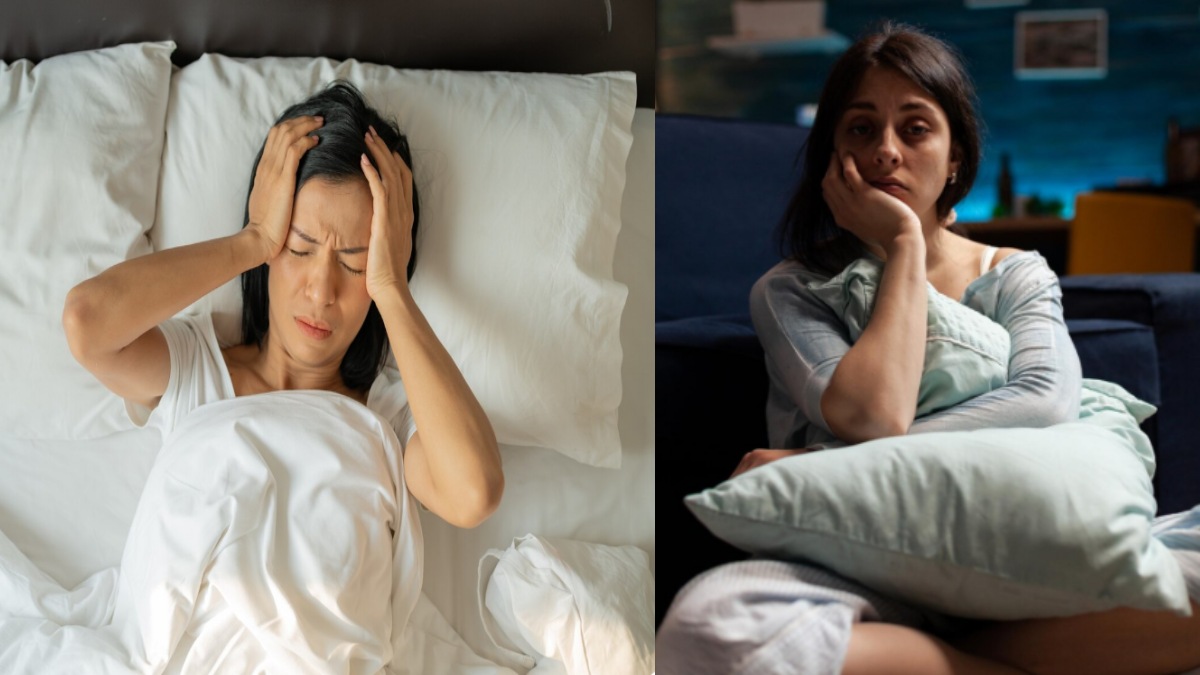
Being aware of the kinds of sleep disorders, their causes and symptoms, and available treatments can help people seek timely medical treatment and improve their sleep quality.
What are sleep disorders
Sleep disorders are common conditions that disrupt normal sleep patterns, making it hard to fall asleep, stay asleep, or achieve restorative sleep. Some disorders are associated with excessive daytime sleepiness or unusual behaviors while sleep is impaired.
Related Articles


Every now and then, there are occasional sleep problems that happen for short periods of time, especially during stress. But long-term sleep problems should be assessed by a healthcare professional.
Common types of sleep disorders:
1. Insomnia
Insomnia is one of the most widespread sleep disorders. Insomnia can cause failure to fall asleep, stay asleep, or wake up too early and not be able to sleep again.
Related Articles


Common causes include:
- Stress and anxiety
- Depression
- Poor sleep habits
- Some medications
- Chronic pain
- Caffeine or alcohol consumption close to bedtime
2. Obstructive Sleep Apnea (OSA)
Sleep apnea is a condition in which breathing repeatedly stops and starts during sleep due to partial or complete blockage of the airway.
Symptoms include:
- Loud snoring
- Gasping for air during sleep
- Morning headaches
- Excessive daytime fatigue
- Difficulty concentrating
Untreated sleep apnea is known to be associated with high blood pressure, heart disease, stroke, and type 2 diabetes.
3. Restless Legs Syndrome (RLS)
Restless Legs Syndrome causes uncomfortable sensations in the legs and a strong urge to move them, especially during periods of rest or at night.
Moving the legs often provides some relief, but the condition can disrupt sleep.
4. Narcolepsy
Narcolepsy is a neurological disorder that impacts the brain's sleep-wake cycles.
Symptoms may include:
- Sudden episodes of falling asleep during the day
- Excessive daytime sleepiness
- Sleep paralysis
- Vivid dream-like hallucinations when falling asleep or waking
5. Circadian Rhythm Sleep Disorders
These disorders occur when the body's internal clock is not in sync with the normal day-night cycle.
Diagnosis
Healthcare providers can diagnose sleep disorders using:
- Medical history
- Sleep questionnaires
- Physical examination
- Sleep diary
- Overnight sleep study (polysomnography)
- Home sleep apnea testing (when appropriate)
Accurate data is very important when understanding which is the most effective treatment to take.
Treatment Options
Treatment depends on the specific sleep disorder and its underlying cause.
Possible treatments include:
Lifestyle Changes
- Maintain a consistent sleep schedule.
- Limit caffeine late in the day.
- Avoid heavy meals close to bedtime.
- Create a cool, quiet, and dark sleeping environment.
Cognitive Behavioral Therapy
Cognitive Behavioral Therapy (CBT-I) is usually recommended as the first-line treatment for chronic insomnia and is well known in the literature to be effective.
Medical Devices
People with obstructive sleep apnea may benefit from Continuous Positive Airway Pressure (CPAP) therapy or other treatments recommended by a sleep specialist.
Medications
Healthcare providers may prescribe certain medications to treat sleep disorders. These should only be used under medical supervision.
Sleep disorders are common and treatable and can have a significant impact on physical health, emotional well-being, and daily functioning. Whether it is insomnia, sleep apnea, restless legs syndrome, narcolepsy, or a circadian rhythm disorder, early recognition of symptoms and appropriate medical care can be beneficial. Good sleep habits, stress management, and following recommended treatments will be crucial for restful and restorative sleep. If your sleep does not improve, consult a qualified healthcare professional or sleep specialist for a proper assessment and customized care plan.


Comments 0