
Sleep is one of the most significant ingredients of good health but millions of people don’t have the time to get the rest they need. Sleep problems affect people of all ages and can affect daily life, work performance, emotional health, and overall health. So although nights like that are common, long-term sleep issues can be treated.
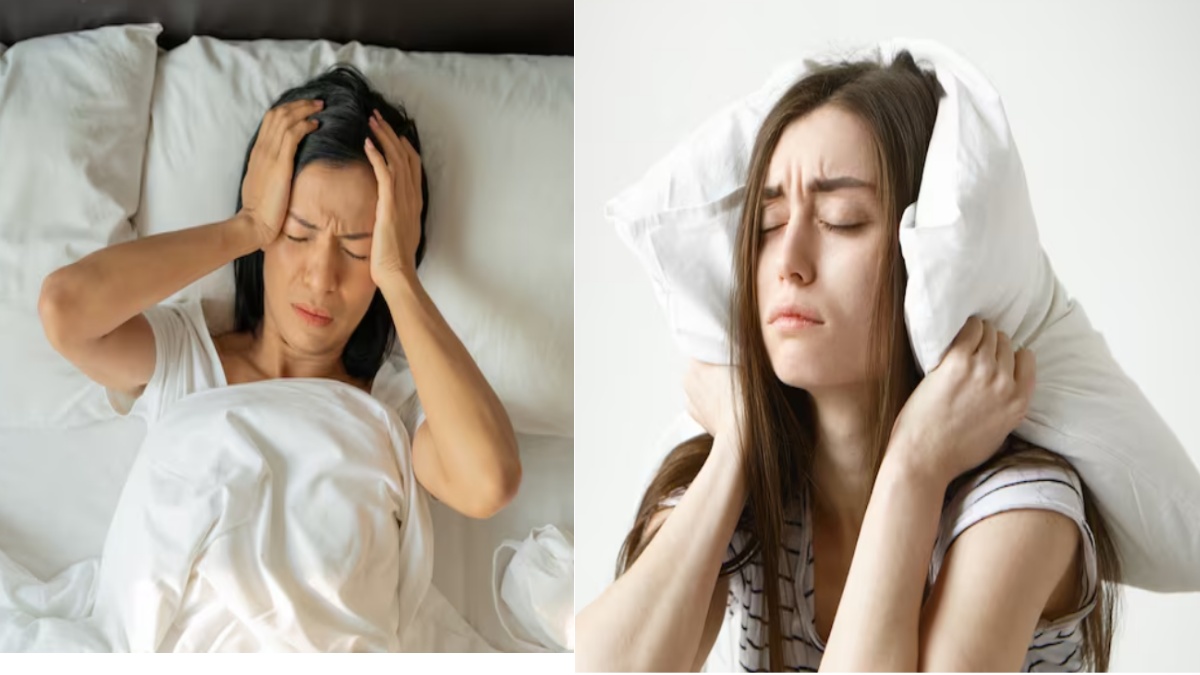
Scoop’s sleepiness will be better if we take care of that and also have good sleep habits and avoid long-term health problems.
What Are Sleep Problems
Sleep problems, also known as sleep disorders when persistent or clinically significant, refer to conditions that affect the ability to fall asleep, stay asleep, or achieve restful sleep. They can lead to daytime fatigue, irritability, poor concentration, and decreased productivity.
Related Articles


Common sleep problems include:
- Insomnia
- Sleep apnea
- Restless legs syndrome
- Narcolepsy
- Circadian rhythm disorders
- Frequent nighttime awakenings
Some sleep issues are temporary, while others require medical evaluation and treatment.
Common Causes of Sleep Problems
Several factors can contribute to poor sleep.
Related Articles


1. Stress and Anxiety
Work pressure, financial concerns, relationship issues, or major life events can make it difficult to relax and fall asleep.
2. Poor Sleep Habits
Irregular sleep schedules, excessive screen time before bed, or consuming caffeine late in the day can disrupt your body's natural sleep cycle.
3. Medical Conditions
Health problems such as asthma, chronic pain, acid reflux, thyroid disorders, or heart disease can interfere with restful sleep.
4. Mental Health Conditions
Depression, anxiety disorders, and other mental health conditions are closely linked to sleep disturbances.
5. Medications
Certain prescription medications, including stimulants, some antidepressants, corticosteroids, and decongestants, may affect sleep.
6. Lifestyle Factors
Smoking, alcohol consumption, lack of physical activity, and heavy meals before bedtime may contribute to sleep problems.
Symptoms of Sleep Problems
Signs that you may be experiencing a sleep problem include:
- Difficulty falling asleep
- Waking frequently during the night
- Waking up too early
- Feeling tired despite sleeping
- Excessive daytime sleepiness
- Difficulty concentrating
- Mood changes or irritability
- Reduced memory and attention
- Frequent yawning or low energy
If these symptoms occur regularly, consult a healthcare provider for an evaluation.
Health Risks of Poor Sleep
Long-term sleep deprivation can negatively affect nearly every system in the body. Research has linked inadequate sleep to an increased risk of:
- High blood pressure
- Heart disease
- Stroke
- Type 2 diabetes
- Obesity
- Depression and anxiety
- Weakened immune function
- Poor work or academic performance
- Increased risk of accidents due to fatigue
Getting enough quality sleep is essential for physical recovery, brain function, hormone regulation, and emotional health.
Treatment Options
Treatment depends on the underlying cause of the sleep problem.
A healthcare professional may recommend:
- Cognitive Behavioral Therapy for Insomnia (CBT-I)
- Lifestyle and sleep habit improvements
- Treatment for underlying medical conditions
- Continuous Positive Airway Pressure (CPAP) therapy for sleep apnea
- Medications in selected cases under medical supervision
Self-medicating with sleeping pills is not advisable without professional guidance.
Natural Tips to Improve Sleep
Simple lifestyle changes can often improve sleep quality.
Maintain a Consistent Schedule
Go to bed and wake up at the same time every day, including weekends.
Create a Relaxing Bedtime Routine
Reading, gentle stretching, meditation, or a warm bath can help your body prepare for sleep.
Limit Screen Time
Avoid smartphones, tablets, and computers for at least one hour before bedtime, as blue light can suppress melatonin production.
Avoid Caffeine and Alcohol Before Bed
Reduce caffeine intake in the afternoon and evening. While alcohol may make you sleepy initially, it can disrupt sleep later in the night.
Exercise Regularly
Moderate physical activity during the day promotes better sleep, but avoid vigorous exercise close to bedtime.
Optimize Your Sleep Environment
Keep your bedroom cool, quiet, dark, and comfortable. A supportive mattress and pillow can also improve sleep quality.
When to Seek Medical Help
Consult a healthcare provider if you:
- Have trouble sleeping for several weeks
- Snore loudly or stop breathing during sleep
- Feel excessively sleepy during the day
- Experience sudden sleep attacks
- Notice sleep problems affecting your work, relationships, or daily life
A sleep specialist may recommend further evaluation, including a sleep study, if needed.
Sleep problems are common but should not be considered a normal part of life. Whether caused by stress, lifestyle habits, or an underlying medical condition, poor sleep can have a significant impact on your physical and mental well-being. By adopting healthy sleep habits, addressing contributing factors, and seeking medical advice when symptoms persist, you can improve your sleep quality and overall quality of life. Prioritizing restful sleep is an investment in your long-term health, energy, and emotional balance.


Comments 0