
Staying awake past midnight might be a harmless habit of some people who work late at night and use their phones at night, or who just like a later sleep schedule. But more and more research is showing that timing and regular sleeping habits can affect the body’s internal clock, immune system, and many other biological processes associated with long-term health.
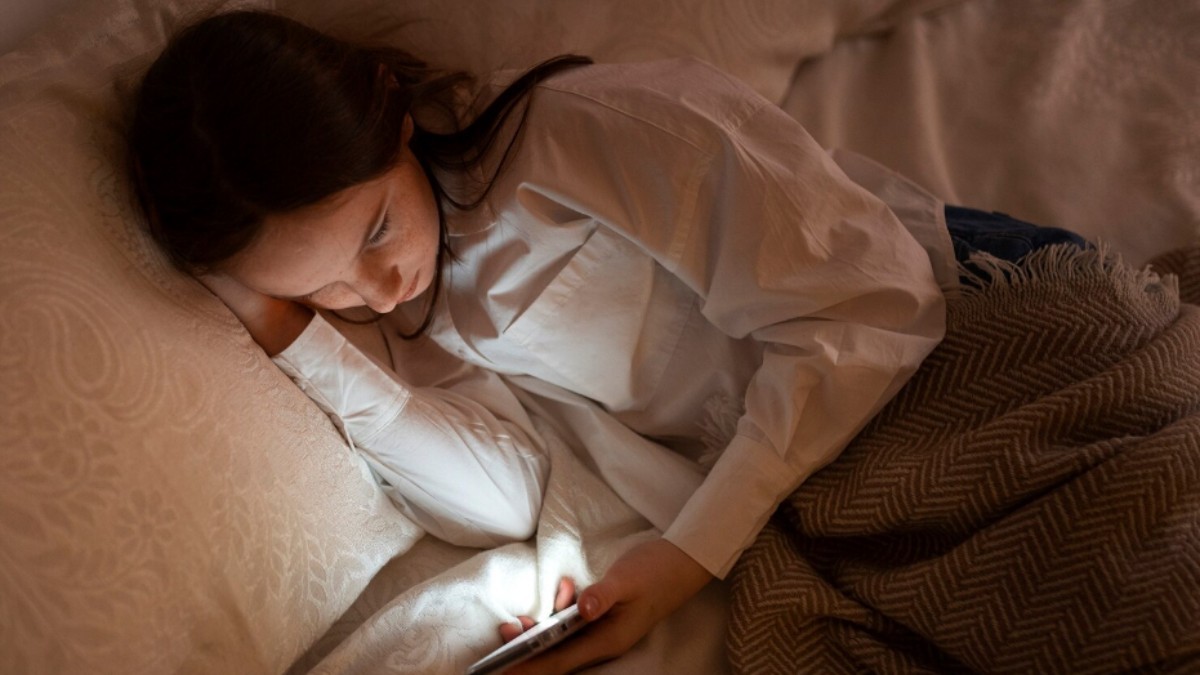
At present, scientists are increasingly studying the relationship between the circadian rhythm, sleep and the immune system. The circadian system controls hormone production, metabolism, cell activity and immune responses. If the system is repeatedly disrupted, it affects the body’s ability to perform some of these functions.
It has also led to research into whether long-term circadian disruption might affect cancer development and the body’s ability to detect abnormal cells. But it is important to differentiate between chronic circadian disruption and simply going to bed after midnight.
Related Articles


Why Your Body Clock Matters.
The human body follows an approximately 24-hour biological cycle known as the circadian rhythm. It orchestrates sleep and wakefulness with environmental cues such as light and darkness.
The circadian system also influences immune activity. Research from an NIH workshop suggested that both innate and adaptive immune responses are time-dependent. This relates to immune cell movement, signalling molecules and T-cell activity.
So sleep does more than provide rest. During normal sleep, the body is doing all kinds of things in recovery and regulation.
Related Articles


When sleep schedules are not in line with the body’s biological clock, problems can arise. That’s the case with night shift work, frequent shifts in sleeping hours, insufficient sleep or prolonged exposure to light at night.
Circadian disruption can affect tumour immunity through changes in immune surveillance, metabolism, hormone regulation and other biological pathways as recently described in Biomarker Research (July 2016). The review also discussed evidence linking circadian disruption to tumour development and progression.
Does sleeping after midnight increase cancer risk?
This is where evidence needs to be interpreted very carefully.
There is not enough evidence to say that going to sleep after midnight by itself causes cancer. The American Cancer Society notes that research examining sleep and cancer risk has yet to be clearly articulated, though chronic sleep problems and disruption of the sleep cycle are still areas of active research.
Scientists are interested in chronic circadian disruption, however, not in a specific time of the night, such as midnight.
For example, long-term night-shift work puts people through repeated changes in their normal sleep-wake cycle and light exposure. The International Agency for Research on Cancer classifies night-shift work with circadian disruption as probably carcinogenic to humans. The factors could include altered melatonin production and impaired immune surveillance.
This does not mean that every person who works at night or sleeps late will develop cancer. Cancer risk is influenced by genetics, age, tobacco and alcohol exposure, diet, physical activity, infections and environmental exposure.
How Sleep Disruption Could Impact Cancer Defences?
We are interested in the immune system’s ability to recognize and respond to abnormal cells.
The body’s natural killer cells and other immune components play a critical role in identifying and eliminating abnormal or infected cells. Circadian biology has shown that sleep and biological rhythms can influence the activity and organisation of these immune responses.
Chronic sleep deprivation and circadian disruption may impact these processes. A recent review of tumour immunity has shown that disrupted circadian rhythms can interfere with some aspects of immune surveillance, including changes in natural killer cells and T cells, that have been identified in previous work.
Melatonin is also a factor scientists are looking at. The hormone is produced more in greater quantities at night and is generally produced in greater amounts during darkness, and has a close link with the body's sleep-wake cycle. Exposure to light at night can suppress melatonin production.
However, because melatonin also has antioxidant and regulatory functions, researchers have examined whether reduced or mistimed melatonin signalling could contribute to biological pathways involved in cancer. Most of this evidence is mechanistic or observational and should not be interpreted as proof that a late bedtime is directly related to cancer.
Late Nights, Night Shifts And Circadian Disruption Are Not The Same
No one is expected to sleep late at all; there are consequences.
Someone who naturally has a later chronotype but consistently sleeps for an adequate number of hours may have a different circadian pattern from someone who sleeps late because of work, gets very little sleep and keeps changing their schedule.
Several recent studies have explored how different types of circadian disruption may affect cancer risk. A 2026 study involving patients with thyroid nodules examined a more general measure that included sleep insufficiency, shift-work history, mid-sleep timing and irregular eating patterns. The clinical group reported a stronger association between cumulative circadian disruption and malignancy in this population.
However, this type of study cannot show that sleeping after midnight alone causes cancer.
Still, the study of individual cancers has produced mixed findings. A recent prospective study of more than 56,000 female nurses in the Netherlands, for instance, did not show a statistically significant difference in colorectal cancer risk between women who had worked night shifts and those who had not.
These findings show why sleep and cancer research needs to be interpreted in the context of the wider evidence.
What Can You Do For Better Sleep?
Instead of focusing on whether you fall asleep before or after midnight, health professionals tend to focus on having enough good-quality sleep and keeping up a regular sleep schedule.
Adults are generally advised to sleep at least seven hours a night. Maintaining regular sleeping and waking times, limiting bright light exposure before bed and creating a comfortable sleep environment can support healthier sleep patterns.
People who regularly work night shifts may face additional challenges because their schedules can conflict with the body's natural light-dark cycle.
The emerging research on circadian rhythms is an important reason to take persistent sleep disruption seriously, but it does not mean that an occasional late night is a direct cancer threat. The greater concern is prolonged and repeated disruption of sleep, circadian timing and recovery.
Researchers are still trying to understand the interplay between the body’s internal clock and the mechanisms of immunity and cancer biology. There is evidence that good sleep and circadian patterns for health can be linked to better overall health, but further work is needed to understand how sleep timing can influence cancer risk in different settings.


Comments 0