
Iron deficiency is one of the most common nutritional concerns, particularly among women, and diet plays an important role in maintaining adequate iron intake. A simple homemade soup featuring drumstick leaves and masoor dal has attracted attention as a nutritious addition to an iron-conscious diet.
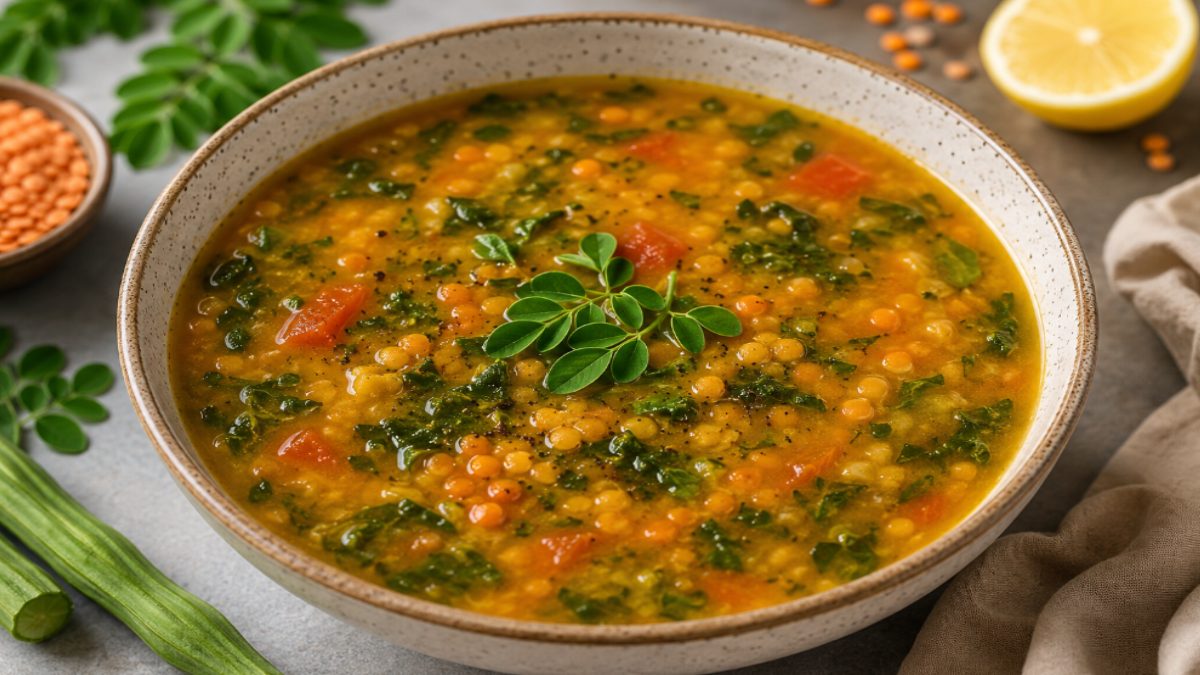
The recipe has been associated in media reports with Smriti Irani and Mira Rajput, highlighting how traditional Indian ingredients can be combined to create a nourishing, comforting meal. Drumstick leaves, also known as moringa leaves, are packed with several nutrients, while masoor dal provides plant-based protein and iron.
However, food should be viewed as part of an overall approach to anaemia rather than a replacement for medical treatment. People diagnosed with iron-deficiency anaemia may require blood tests, dietary changes and, in some cases, iron supplements prescribed by a healthcare professional.
Related Articles


Why Drumstick Leaves and Masoor Dal
Drumstick leaves are valued in Indian cooking for their nutritional profile. Moringa leaves contain iron along with vitamins, minerals, antioxidants and other plant compounds. Their nutritional value makes them a useful addition to a varied diet.
Masoor dal, or red lentils, is another practical ingredient for people looking to increase their intake of plant-based foods. Lentils provide iron, protein, fibre and other essential nutrients.
Combining the two ingredients in a soup makes the dish easy to consume and suitable as part of a balanced lunch or dinner.
Related Articles


Smriti Irani’s Drumstick and Masoor Dal Soup Recipe
Ingredients
- 1 cup fresh drumstick (moringa) leaves, washed thoroughly
- ½ cup masoor dal
- 1 small onion, chopped
- 1 tomato, chopped
- 2–3 garlic cloves, chopped
- ½ teaspoon cumin seeds
- ¼ teaspoon turmeric powder
- ½ teaspoon black pepper
- 1 teaspoon grated ginger
- 1 teaspoon lemon juice
- 1 teaspoon oil or ghee
- 3–4 cups water
- Salt to taste
Method
- Wash the dal: Rinse the masoor dal thoroughly under running water and drain
- Prepare the greens: Remove tough stems from the drumstick leaves and wash the leaves well
- Sauté the aromatics: Heat oil or ghee in a pot. Add cumin seeds, followed by chopped onion, garlic and ginger. Cook until the onion becomes soft
- Add the vegetables: Add chopped tomato and turmeric. Cook for a few minutes until the tomato softens
- Cook the dal: Add the washed masoor dal and water. Bring the mixture to a boil, then simmer until the lentils become soft
- Add drumstick leaves: Add the prepared moringa leaves and cook until they are tender
- Blend if desired: The soup can be served chunky or blended until smooth, depending on your preference
- Season: Add salt and black pepper according to taste
- Finish with lemon: Turn off the heat and add fresh lemon juice before serving
Why Add Lemon Juice
One useful nutritional tip is to pair plant-based iron sources with vitamin C, which can improve the body's absorption of non-haem iron found in plant foods.
Lemon juice provides vitamin C and also adds freshness to the soup. Other vitamin C-rich foods, such as tomatoes, amla, guava, oranges or bell peppers, can also complement meals containing plant-based iron.
This does not mean adding lemon automatically makes a meal a treatment for anaemia, but it can be a useful dietary strategy for improving iron absorption.
What About Tea and Coffee
If you are specifically trying to improve iron absorption, meal timing can matter. Tea and coffee contain compounds that can reduce the absorption of non-haem iron when consumed around meals.
People with iron deficiency may therefore benefit from discussing meal timing with a doctor or dietitian, particularly if they regularly drink tea or coffee with meals.
Can This Soup Cure Anaemia
No single food can be guaranteed to cure anaemia.
Anaemia has several possible causes, including iron deficiency, vitamin deficiencies, blood loss and certain chronic health conditions. Iron-deficiency anaemia should ideally be confirmed through appropriate medical evaluation rather than assumed based on symptoms such as tiredness or weakness.
An iron-rich soup can be a nutritious part of a balanced eating pattern, but someone with diagnosed iron deficiency may need additional treatment. Iron supplements should be taken only according to appropriate medical advice because excessive iron can also be harmful.
Other Iron-Rich Foods to Include
Along with lentils and leafy greens, a balanced diet can include a variety of iron-containing foods. Depending on dietary preferences, these may include beans, chickpeas, peas, tofu, seeds, nuts, whole grains and iron-fortified foods.
For people who eat animal products, foods such as eggs, fish, poultry and meat can provide additional sources of iron. Haem iron from animal foods is generally absorbed more efficiently than non-haem iron from plant foods.
Pairing plant-based sources with vitamin C-rich foods is another simple way to support iron absorption.
A Nutritious Addition to Your Diet
The drumstick and masoor dal soup is appealing because it combines familiar Indian ingredients with protein, fibre and several micronutrients in one comforting dish. It can be particularly useful for people looking to include more leafy greens and pulses in their everyday meals.
For anyone concerned about anaemia, however, nutrition should be considered alongside professional medical advice. Persistent fatigue, breathlessness, dizziness, paleness or weakness should not simply be attributed to poor diet without proper evaluation.


Comments 0