
As long hours spent indoors can influence more than sleep, moods and physical activity. Long-term indoor habits also contribute to bone health as there is no sunlight exposure to people’s bones, and lack of movement necessary to maintain healthy bone structure (Dr. Sumit Badhwar, orthopaedic surgeon).
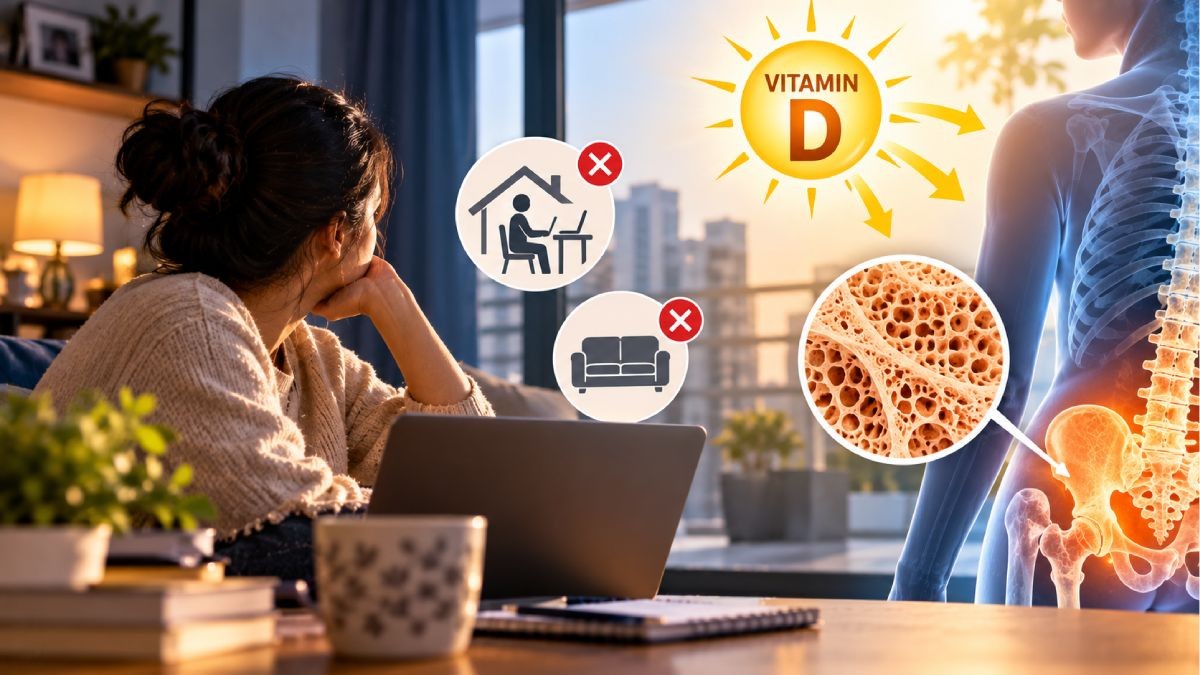
Today’s lifestyles are desk based, work from air conditioned office space, travel by car and spend time on screens. If we get habituated, people will have less outdoor exercise and less weight-bearing exercise. Poor nutrition also causes weakened bones.
The good news is that some lifestyle changes can help protect bone health. Daily movement, a balanced diet and proper vitamin D levels can make a difference over time.
Related Articles


How could being indoors lead to bone health issues?
For vitamin D levels, less light exposure to sunlight may have an effect on vitamin D levels.
The most serious consequences of spending much of the day indoors is not getting enough sunlight exposure. UVB rays generate vitamin D to the skin. Vitamin D is the natural way to absorb calcium, which is one of the main minerals for healthy bones.
If vitamin D levels are low enough, the body cannot absorb enough calcium from food. Long-term deficiencies with vitamin D can lead to bone problems (e.g. osteomalacia in adults) and other factors can increase osteoporosis risk as well.
Sitting next to a sunny window is not a substitute for outside exposure because window glass blocks most UVB rays. However, sunlight requirements are determined by skin type, location, season and many other factors.
Related Articles


Dr Badhwar says people who spend most of their time indoors need to check on their vitamin D levels and not think that just seeing a bit of sunlight through a window is sufficient.
In this way, less movement can lower bone strength.
Bones are living tissues responding to the physical demands on them. Walking and climbing stairs and resistance training are the ways in which bones are under stress.
Sitting for long periods of time reduces these mechanical demands. Little physical activity and poor muscle strength are associated with weaker bones over time.
That is very important when the body is building its largest bone mass which usually starts in early adulthood. This helps bone health later in life after the base of the body is laid down.
A sedentary lifestyle also can weaken muscles that support the spine and hips, so pain, stiffness and reduced mobility are likely.
There is a high risk of poor dietary habits.
It is also common to work long hours indoors with other habits that damage bone health—skipping meals, crash dieting and insufficient calcium and protein intake.
Calcium is crucial to bone structure and protein is important for muscles and the tissues that support the musculoskeletal system. Vitamin D helps the body absorb calcium effectively.
Bone health is also affected by smoking and heavy alcohol consumption. Inactivity and insufficient nutrition are also important to bone health over the long term.
How do you protect your bones indoors?
Get Appropriate Sunlight Exposure
Spend some time outside in the day if possible. The amount of sunlight required to produce vitamin D varies from person to person; avoid prolonged exposure that causes sunburn. Weather, air pollution, skin type and local conditions can all affect the balance between sunlight exposure and skin protection.
A person with vitamin D deficiency should talk to a healthcare professional about testing and supplementation.
Take Regular Movement Breaks
Avoid sitting for long periods of time without interruption. Get up frequently, move around, take the stairs when you can, and include movement in your daily routine.
Brisk walking and stair climbing can help maintain bone strength. Strength training a couple of times a week can also support bones and the muscles that protect them.
People with existing bone conditions, significant joint pain or a history of fractures should ask a healthcare professional which exercises are safe for them.
Eat Foods That Support Bone Health
Include calcium-rich foods such as milk, curd, paneer, ragi and leafy green vegetables in your diet. Ensure adequate protein intake through suitable foods such as pulses, beans, dairy products, eggs or other preferred sources.
A balanced diet is important for overall bone health, yet dietary requirements differ according to age, health status and nutritional needs.
Avoid Taking High-Dose Supplements Without Advice
Vitamin D and calcium supplements may be useful for people who have a deficiency or cannot meet their needs through diet. However, taking large doses without medical guidance can be harmful.
If you spend most of your time indoors, experience persistent aches or have a family history of weak bones, speak to a healthcare professional about whether testing or further assessment is appropriate.
When should you seek medical advice?
Medical treatment is necessary for persistent back or bone discomfort, recurrent fractures following small traumas, or worries about vitamin D inadequacy. Although these symptoms could call for more research, they do not necessarily indicate that your bones are weak.
A doctor can review your medical history, diet, activity levels and other risk factors before recommending blood tests or a bone density assessment where appropriate.
The main takeaway is that being inside does not always result in weak bones. Sunlight exposure, physical activity, diet, age, and underlying medical disorders are some of the variables that affect the risk.
People can take concrete efforts to promote their bone health by including regular exercise into their daily routine, eating a balanced diet, and seeking medical advice to treat any inadequacies.



Comments 0