
The rising cost of everyday groceries is driving many households to look for cheap alternatives that provide sufficient nutrition without compromising on nutrition. Sugar is one such kitchen staple, and with retail prices of around ₹70 per kg in some markets, consumers may be wondering whether other sweetening options can keep up with their budget and their health goals.
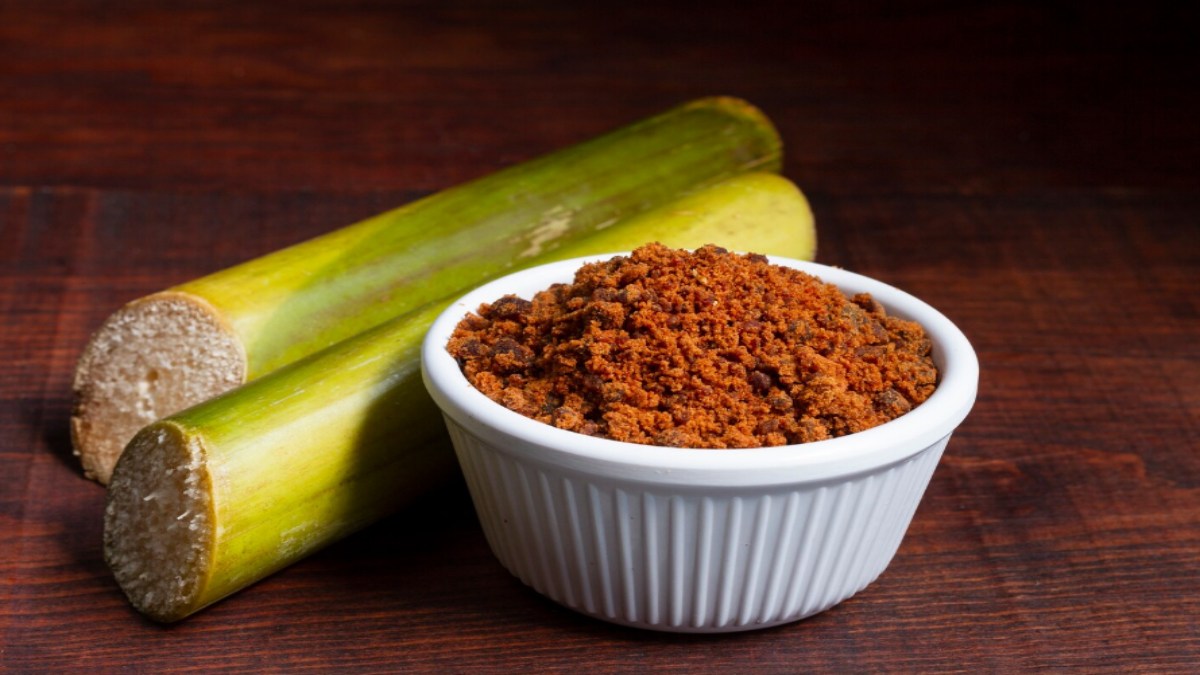
Dietitian Payal Dutt has highlighted some alternatives that can be used in place of table sugar. But it’s a good reminder that “natural” does not necessarily mean healthier. Most of the alternatives still contain considerable amounts of sugar and calories, so portion size is important.
Here are the 5 options to know about.
Related Articles


1. Jaggery
Jaggery, or gur, is an Indian sweetener commonly used in domestic kitchens. It is made by concentrating sugarcane juice or palm sap (and in some cases both).
Unlike refined white sugar, jaggery is less processed and has some minerals such as iron, potassium, and calcium in it. It’s nutritionally different from refined sugar, although the quantities of these nutrients are not so large that jaggery is a significant nutritional source.
Jaggery is also used in tea, traditional desserts, homemade energy bites, and some savoury recipes.
Related Articles


But jaggery is still mostly sugar. People who want to control blood glucose or calorie intake shouldn’t just eat it freely simply because it is less refined.
2. Dates
Dates offer sweetness, dietary fibre, and naturally occurring nutrients. They can be eaten whole or blended into a paste and added to desserts, smoothies, homemade bars, and some baked foods.
The fibre in whole dates can make them more filling than simply eating the same amount of refined sugar. Dates also contain naturally occurring potassium and other micronutrients.
Due to dates being made of natural sugars, portion control is still crucial. A small amount of date paste can be a solution for adding sugar to recipes.
3. Stevia
Stevia is a plant-based, high-intensity sweetener that contains very little or no calories in the tiny quantities needed for sweetness. It’s good for people who want to reduce added sugar while still tasting sweet.
Stevia is available in drops, powders, and blended products. The taste may differ from brand to brand, and some products may have additional sweeteners or bulking ingredients, so checking the label is worth doing.
Compared to jaggery and dates, stevia does not have the same carbohydrate or calories as sugar when used in very small quantities.
4. Coconut Sugar
Coconut sugar is produced from the sap of coconut palm flowers. It has a caramel-like flavour and can be substituted for regular sugar in some recipes.
It may contain some minerals and plant compounds, but nutritionally it is still just added sugar and is not a very low-sugar food.
Coconut sugar can be an alternative for baking or cooking for people who like the taste. But replacing white sugar with coconut sugar doesn’t solve the moderation problem.
5. Raisins and Other Dried Fruits
Dried fruits such as raisins can provide sweetness in homemade food and also provide fibre and micronutrients. Finely chopped raisins can be added to porridge, breakfast bowls, homemade granola, or some desserts.
Because water is removed during drying, dried fruits are much more concentrated in sugar and calories than fresh fruit. Eating large amounts can therefore add considerable sugar to the diet.
What would be a better approach is to pick unsweetened dried fruit and to use very small portions.
Are These Alternatives Really Healthier
The answer depends on the alternative and how much you consume. Jaggery, coconut sugar, and dried fruit still provide substantial amounts of sugar, while stevia can provide sweetness with little or no calories. Whole dates and other fruits also provide fibre and micronutrients that refined sugar doesn’t.
However, rather than swapping one sweetener for another, the best long-term strategy is to gradually reduce the overall sweetness in the diet.
If you are usually adding two teaspoons of sugar to tea, reducing that may be the best way to make taste adjustments. Unsweetened yoghurt with fresh fruit can substitute for sweetened desserts, and cinnamon, cardamom, or vanilla can add flavour without relying entirely on sugar.
Check the Price Before Switching
The cost of sugar alternatives varies significantly depending on the location, brand, quality, and packaging. Stevia or coconut sugar can cost more than ordinary sugar per kilogram even if smaller quantities are required.
But consumers should compare cost per serving rather than assuming that every alternative is cheaper.
If sugar prices are putting pressure on the household budget, alternatives like jaggery, dates, stevia, coconut sugar, and unsweetened dried fruits offer different ways to add sweetness to meals. Their nutritional profiles, prices, and suitability vary.
The key is not simply finding a "healthier sugar," but reducing excessive added-sugar consumption overall. A balanced diet built around vegetables, fruits, whole grains, pulses, nuts, seeds, and adequate protein is more important than choosing one sweetener over another.


Comments 0