
Rakhi celebrations are incomplete without colourful decorations, heartfelt family moments and, of course, a generous spread of sweets. From traditional halwa and ladoos to creamy kheer, Indian desserts have always been an important part of festive celebrations. But if you are trying to reduce your added sugar intake, you do not necessarily have to skip dessert.
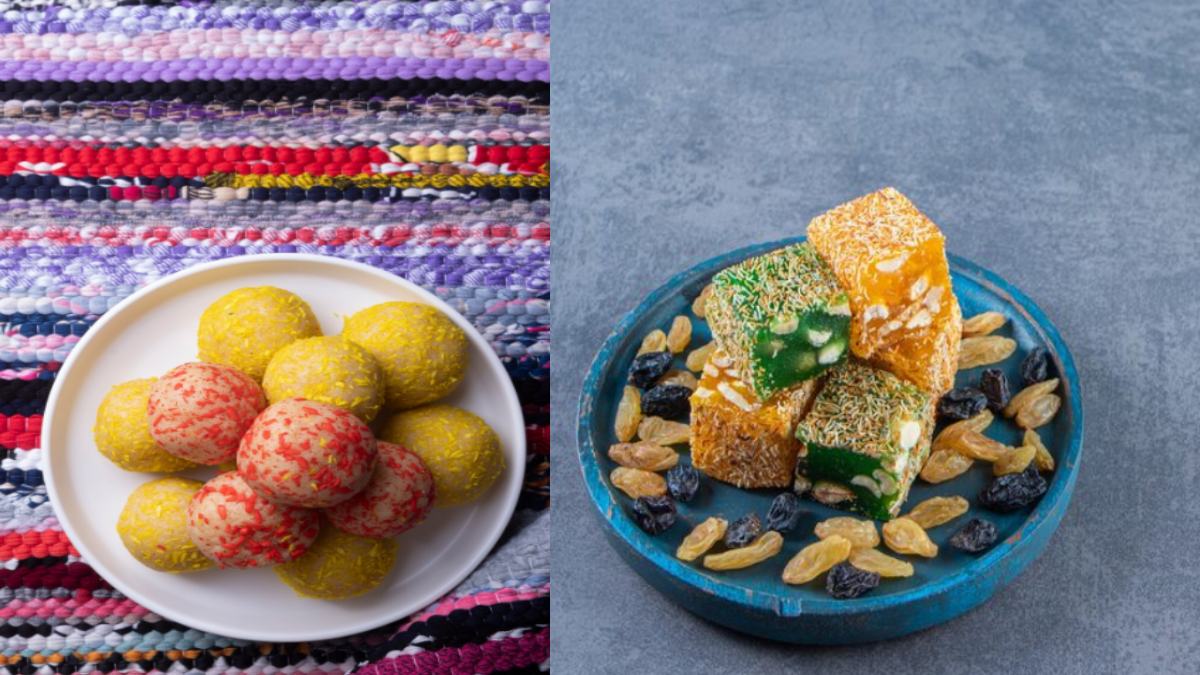
With a few thoughtful ingredient swaps, you can prepare festive treats that are delicious while containing little or no added sugar. The key is to remember that "sugar-free" does not automatically mean calorie-free or suitable for everyone with diabetes. Ingredients such as dates, dried fruits and jaggery still contribute carbohydrates and calories.
Here are five dessert ideas to make your Rakhi celebration a little lighter without taking away the sweetness of the occasion.
Related Articles


1. Sugar-Free Gajar Halwa
Gajar halwa is a classic Indian dessert that can easily become part of a reduced-added-sugar festive menu.
Instead of adding refined sugar, grated carrots can be cooked slowly with milk and flavoured with cardamom. The natural sweetness of carrots can be complemented with a small amount of date paste if desired.
Add chopped almonds, pistachios or walnuts for texture and flavour. A little khoya or milk powder can make the halwa richer, but portion size still matters.
Related Articles


Serve it warm in small bowls for a comforting Rakhi dessert.
2. Coconut and Nut Ladoo
Ladoos are among the easiest festive sweets to customise.
For a simple version, combine unsweetened desiccated coconut with finely chopped nuts and seeds. A small amount of date paste can be used as a binding ingredient instead of refined sugar.
Cardamom adds fragrance, while a few strands of saffron can give the ladoos a festive touch.
Make small portions rather than oversized ladoos. This allows everyone to enjoy a sweet treat without turning dessert into the centre of the entire meal.
3. Sugar-Free Rice Kheer
Creamy kheer is another Rakhi favourite. You can prepare a reduced-added-sugar version by slowly cooking rice in milk with cardamom, saffron and chopped nuts.
If additional sweetness is needed, mashed dates or a suitable non-sugar sweetener can be used according to personal preference.
For people managing diabetes, the rice and milk still contribute carbohydrates, so portion size and the overall meal matter.
A small serving of kheer can provide the festive experience without requiring a large bowl.
4. Date and Sesame Ladoo
Dates can provide sweetness and help bind ingredients together, making them useful in homemade festive sweets.
Blend soft, pitted dates with roasted sesame seeds, almonds and walnuts. Add cardamom for flavour and shape the mixture into small ladoos.
These treats contain no refined sugar if you do not add any additional sweetener. However, dates are naturally high in sugar, so these ladoos should still be enjoyed in moderation.
They are particularly convenient for preparing ahead of a family gathering.
5. Fruit and Yogurt Shrikhand
For a lighter alternative to traditional rich desserts, try a fruit-based yogurt dessert.
Use thick, unsweetened yoghurt or hung curd and flavour it with cardamom and saffron. Add fresh fruit such as berries, mango or chopped peaches according to the season.
If extra sweetness is required, use a small amount of fruit puree or a suitable non-sugar sweetener.
Serve chilled in individual bowls or small glasses. The colourful fruit also makes this dessert visually appealing for a festive table.
Tips for a Healthier Rakhi Dessert Table
You do not have to completely eliminate traditional sweets from your celebration to eat more mindfully. Instead, focus on portion size and balance.
Choose homemade desserts when possible so you can control the amount of added sugar and fat. Use nuts and seeds for texture, spices such as cardamom and cinnamon for flavour, and naturally sweet fruits where appropriate.
Avoid assuming that products labelled "sugar-free" are automatically healthy. Some packaged sweets can contain substantial amounts of fat, refined starch or calories even when they contain little or no added sugar.
If you or a family member has diabetes, follow individual dietary advice from your doctor or registered dietitian rather than relying solely on a recipe label.
Rakhi is about celebrating the bond between siblings, and food is naturally part of that celebration. You do not have to give up traditional flavours simply because you are cutting back on added sugar.
From carrot halwa and nut ladoos to rice kheer, date-based sweets and fruit-filled yogurt desserts, there are plenty of ways to create a festive spread with smarter ingredient choices.
The secret is simple: enjoy your favourite flavours mindfully, keep portions reasonable and focus on the people and memories that make Rakhi special.


Comments 0