
A plant-based diet consists of a lot of plants, especially those things from plants in plant food: vegetables, fruits, whole grains, beans, lentils, nuts, seeds and healthy plant oils. That doesn’t mean you’ve got to avoid meat, eggs or dairy entirely and therefore not eat meat (or eggs or dairy).
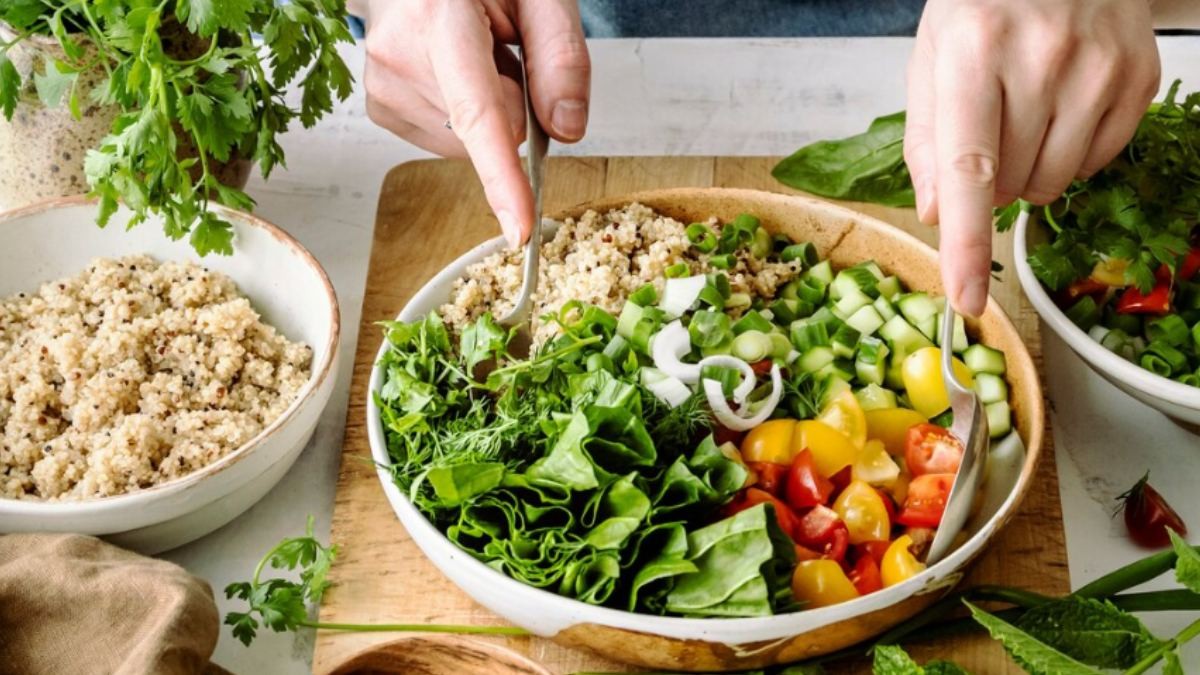
Plant-rich diets are a lot more often a matter of adding more vegetables, fruit, legumes and whole grains to people's diets and less processed foods and lots of meat.
May Support Heart Health
One of the benefits of eating more plant food is better heart health. Vegetables, fruits, whole grains, beans and nuts have fibre, vitamins, minerals and other nutrients that can help cardiovascular health.
Related Articles


A fibre-rich diet may also keep cholesterol levels to a healthy level. Replacing saturated fat with plant-based unsaturated fats, such as nuts, seeds and certain vegetable oils, can be part of a heart-friendly eating pattern.
Helps With Weight Management
Plant-rich food can be useful for people working to be in a calorie deficit and to have a healthy weight. Vegetables, fruit, legumes and whole grain foods are good for fibre and many people feel full after meals.
But plant-based does not mean low-calorie or healthy. Foods like sugary drinks, refined snacks and highly processed plant-based products can still contain significant amounts of calories, sugar, salt or unhealthy fats.
Related Articles


Supports Digestion
Fibre is a cornerstone of a healthy diet and plant foods are the best source of it. Beans, lentils, vegetables, fruits and whole grains can help in daily fibre intake.
Fibre is essential for regular bowel movements and for maintaining a healthy digestive system. Increasing fibre consumption should be done in a gradual way and drinking enough water to minimize digestive discomfort.
May Help Blood Sugar Management
Choosing whole grains, legumes, vegetables, and other minimally processed plant foods can provide carbohydrates along with fibre and other nutrients. This might help manage blood sugar better than meals that are heavily based in refined carbohydrates.
People with diabetes and other blood sugar conditions could still plan their diet with guidance from a qualified healthcare professional.
Important Nutrients to Consider
A well-planned plant-rich diet can be well-suited to provide many essential nutrients, but people who drastically reduce or eliminate animal foods need to pay attention to nutrients like vitamin B12, iron, calcium, iodine, zinc and omega-3 fats.
Vitamin B12 is of special importance because natural, reliable sources are primarily animal-based foods and fortified products. People who have a totally vegan diet may also need fortified foods or supplements.
How to Add More Plant Foods
You do not need to change your diet overnight. Consider adding vegetables to lunch and dinner, fruit as a snack, substituting refined grains for whole grains and including beans or lentils in regular meals.
The goal can be simply to incorporate plant foods in a bigger part of your diet and keep variety and nutrition.
The Bottom Line
A plant-based diet can support heart health, digestion, weight management and overall nutritional quality. Rather than trying to decide what is ‘plant-based,’ you want to opt for a variety of minimally processed foods. A personalized and balanced diet is a part of a healthy lifestyle.


Comments 0