
The thyroid is a tiny butterfly-shaped gland at the base of the neck, but it plays a crucial role in regulating metabolism, energy production, heart rate and hormone balance. If the thyroid doesn’t work properly, it can affect virtually every organ in the body. Women are more likely to be diagnosed with thyroid disorders than men at puberty, pregnancy and menopause.
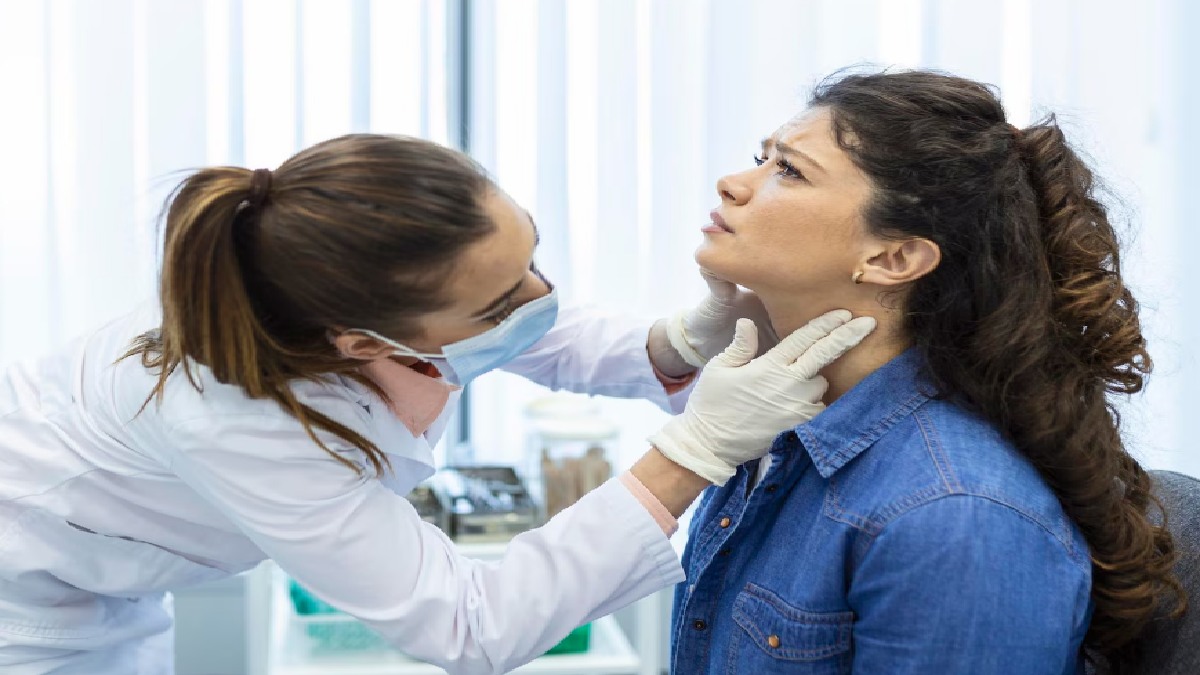
Thyroid disorders are common, but many women mistake their symptoms for stress, aging, or hormonal fluctuations. Early diagnosis and proper treatment can help manage the condition effectively and improve overall quality of life.
Common types of Thyroid disorders
There are two thyroid conditions that affect women:
Related Articles


Hypothyroidism (Underactive Thyroid)
Hypothyroidism occurs when the thyroid gland fails to produce enough thyroid hormones. This slows down the body’s metabolism and may generate a number of symptoms.
Common symptoms include:
- Persistent fatigue
- Unexplained weight gain
- Sensitivity to cold
- Dry skin and hair
- Constipation
- Depression or low mood
- Slow heart rate
- Puffy face
- Heavy or irregular menstrual periods
- Difficulty concentrating or memory problems
Hashimoto's thyroiditis, an autoimmune disorder, is the most common cause of hypothyroidism.
Related Articles


Hyperthyroidism (Overactive Thyroid)
Hyperthyroidism is defined as when the thyroid produces excessive hormones to speed up metabolism.
Common symptoms include:
- Unexplained weight loss
- Rapid or irregular heartbeat
- Anxiety and nervousness
- Tremors in the hands
- Excessive sweating
- Heat intolerance
- Frequent bowel movements
- Difficulty sleeping
- Muscle weakness
- Light or infrequent menstrual periods
Graves' disease is the leading cause of hyperthyroidism.
Why Women are More prone to Thyroid Problems
Several factors increase the risk of thyroid disorders in women, including:
- Hormonal changes during puberty, pregnancy, and menopause
- Family history of thyroid disease
- Autoimmune conditions
- Iodine deficiency or excess
- Previous thyroid surgery or radiation therapy
- Some medications
- Age over 35 years
Women with type 1 diabetes or rheumatoid arthritis may also have a greater risk of developing autoimmune thyroid disorders.
Thyroid problem and reproductive health
Thyroid hormones are necessary to reproductive health.
Untreated thyroid disorders may play an important role in:
- Irregular menstrual cycles
- Difficulty conceiving
- Increased risk of miscarriage
- Pregnancy complications
- Premature birth
- Low birth weight
- Postpartum thyroiditis
Women planning pregnancy or who are pregnant should consult their health care provider if they have a history of thyroid disease or symptoms suggestive of thyroid dysfunction.
Diagnosis of Thyroid Disorders
A healthcare provider may diagnose thyroid problems through:
- Physical examination
- Medical history
- Blood tests such as TSH (Thyroid-Stimulating Hormone), Free T4, and sometimes Free T3
- Thyroid antibody tests when autoimmune disease is suspected
- Thyroid ultrasound if nodules or enlargement are present
- Radioactive iodine uptake scan in select hyperthyroidism cases
As a result, early diagnosis is beneficial in preventing complications and provides treatment in time.
Treatment Options
Treatment is dependent on the thyroid condition.
Hypothyroidism is often treated by synthetic thyroid hormone replacement (levothyroxine) in order to restore normal hormone levels.
For hyperthyroidism, treatment may consist of medication that decreases thyroid hormone production and radioactive iodine therapy or surgery.
Hormone levels should always be monitored and follow up appointments and blood tests regularly to maintain a range of hormone levels in the recommended range.
Lifestyle tips for Thyroid health
If lifestyle changes fail to cure thyroid disorder, they can provide health benefits and complement the medical treatment.
Helpful habits include:
- Eat a healthy diet of fruits, vegetables, whole grains, and lean protein
- If recommended by your health care provider, iodine-rich food should be consumed in moderation
- The proper diet should contain sufficient quantities of selenium, zinc, and iron through a balanced diet
- Be active and exercise regularly to aid metabolism and overall health
- Meditation or relaxation methods are good for stress management
- Get enough sleep every night
- Take thyroid medication as directed and avoid skipping doses
Always consult your healthcare provider before taking supplements, as excessive iodine or certain herbal products may interfere with thyroid function.
When to see a doctor
If you experience persistent fatigue, unexplained weight changes, irregular menstrual cycles, swelling in the neck, rapid heartbeat, or other symptoms suggestive of thyroid disease, seek professional help. Early evaluation can help identify the cause and prevent long-term complications.
Thyroid problems are among the most common hormonal disorders affecting women. Because symptoms often develop gradually and may resemble other conditions, they can go unnoticed for months or even years. Awareness, timely diagnosis, and appropriate medical treatment are key to maintaining thyroid health.
By recognizing the warning signs, following your healthcare provider's recommendations, and adopting a healthy lifestyle, most women with thyroid disorders can successfully manage their condition and lead active, healthy lives.


Comments 0