
A bruise on your arm or leg isn’t usually cause for panic. A little bump against furniture, a small knock when going to work out, or an injury that you don’t remember can leave a mark. The most common bruises occur when small blood vessels under the skin are damaged and leak a small amount of blood into the surrounding tissue. The body slowly reabsorbs that blood as the bruise heals.
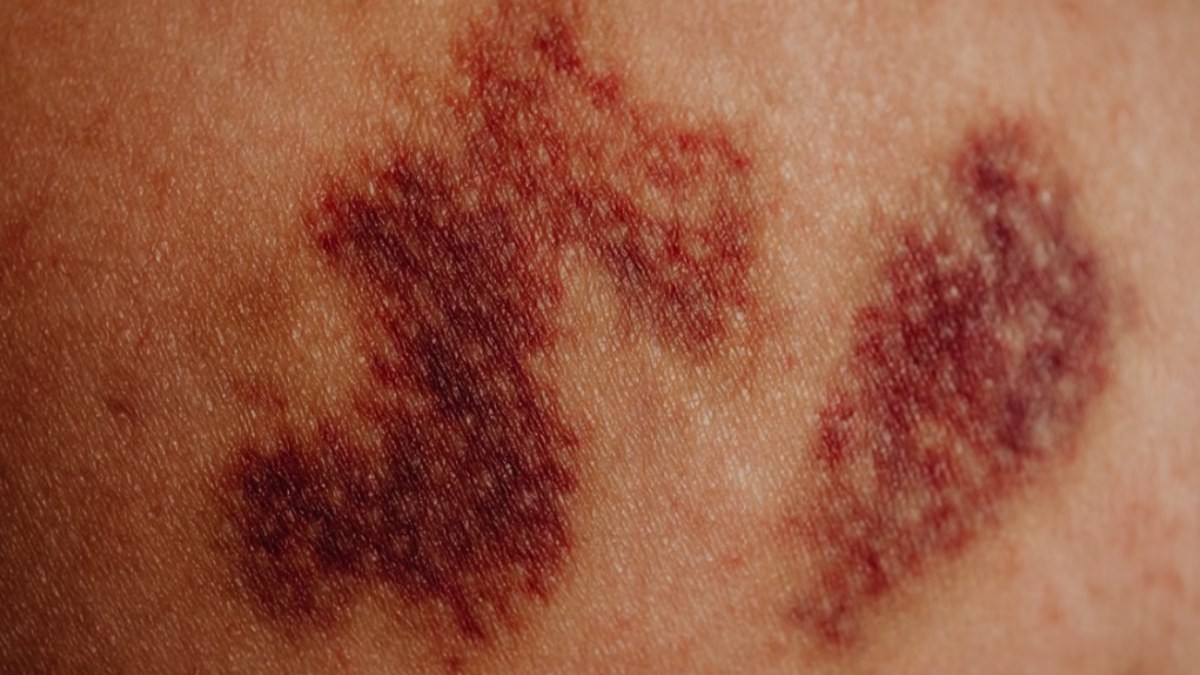
What if bruises keep appearing and you cannot remember getting hurt?
Sometimes unexplained bruising can be harmless, especially if the bruises are minor and disappear normally. But if a sudden change in how easily you bruise, frequent large bruises, or bruising accompanied by other bleeding symptoms, can be seen for a medical evaluation.
Related Articles


Why can you bruise without noticing an injury?
One of the simplest explanations is that the injury was so small that it was hard to remember. Even a small bump can break tiny blood vessels under the skin, and it can be particularly bad for arms and legs.
Old age can increase bruising more frequently. As you get older, the skin becomes thinner, and the protective fatty tissue that cushions blood vessels becomes less common. Blood vessels are harder to withstand minor impacts.
Medications are also an important factor. Drugs that interfere with blood clotting or platelet function increase bruising risk. Anticoagulants like warfarin, apixaban and rivaroxaban and aspirin and clopidogrel, for example, might be among them, and some anti-inflammatory painkillers, corticosteroids and other medicines can also cause bruising.
Related Articles


Some dietary supplements can also cause bleeding or clotting. If unexplained bruising is a recurring problem, you need to tell a doctor about both prescription drugs and supplements if they’re not working.
But people taking prescribed blood-thinning medication should not stop it on their own due to bruising. Any change in medication should be discussed with a doctor or pharmacist.
What is when unexplained bruising should alarm us?
This is a pattern more than just one bruise.
Medical evaluation is advisable when bruises suddenly start to appear more often, become unusually large or painful, and develop without a clear explanation. Mayo Clinic also recommends medical advice when large bruises repeatedly appear on areas such as the chest, abdomen, back or face.
Another warning sign is bruising combined with other unusual bleeding. Frequent nosebleeds, bleeding gums, unusually heavy menstrual bleeding, prolonged bleeding from small cuts, or blood appearing in urine or stools can suggest that something beyond an ordinary bump may be involved.
Tiny red, purple, or brown spots that look like a rash can also be important. These pinpoint spots (called petechiae) can occur when there is bleeding beneath the skin and may be associated with low platelet levels or other blood-related problems.
Other symptoms that accompany unexplained bruising, such as persistent tiredness, unexplained weight loss, recurrent infections, breathlessness or feeling generally unwell, should also be discussed with a healthcare professional.
What could frequent bruising indicate?
Easy bruising has many possible explanations, and having unexplained bruises does not automatically mean that a person has a serious disease.
Part of the problem may be platelets, the blood components that stop bleeding. Low platelet levels or lack of platelet function can lead to excessive bruising and other bleeding symptoms. Problems with proteins that are involved in the blood clot can also cause abnormal bleeding or bruising.
A healthcare professional could therefore ask when the bruising started, how often it occurs, where it appears, whether there has been any unusual bleeding, and whether close family members have similar problems. A medication and supplement history is also important.
Based on the symptoms and medical history, blood tests may be recommended to check platelet levels and how well the blood is clotting. Further studies may be needed if the initial assessment points towards an underlying problem.
When is a bruise more likely to be normal?
A bruise that follows a known minor injury and gradually changes colour and has less pain over time is generally less concerning. The bruises can look red, blue, purple or black at first but slowly disappear as the body breaks down and removes the leaked blood. They can take days or even weeks to go away completely.
For a simple bruise, resting the affected area, elevating it when possible, and applying a cold pack wrapped in a towel for short periods during the first day or two can help with swelling and discomfort. Ice should not be placed directly against the skin.
If bruising does continue and it gets more severe or difficult to describe, then it’s unsurprising that repeated blame for forgotten bumps might be seen as ignoring a problem that needs to be addressed.
The key is to look for a change in pattern. One unexplained bruise is usually very different from suddenly developing multiple large bruises along with nosebleeds, gum bleeding, or other symptoms.
If unexplained or unusually frequent bruising is becoming a pattern, speaking with a healthcare professional is the safest way to determine if it is simply easy bruising or something that needs further investigation. This article is for general information and does not replace a medical examination or individual medical advice.


Comments 0