
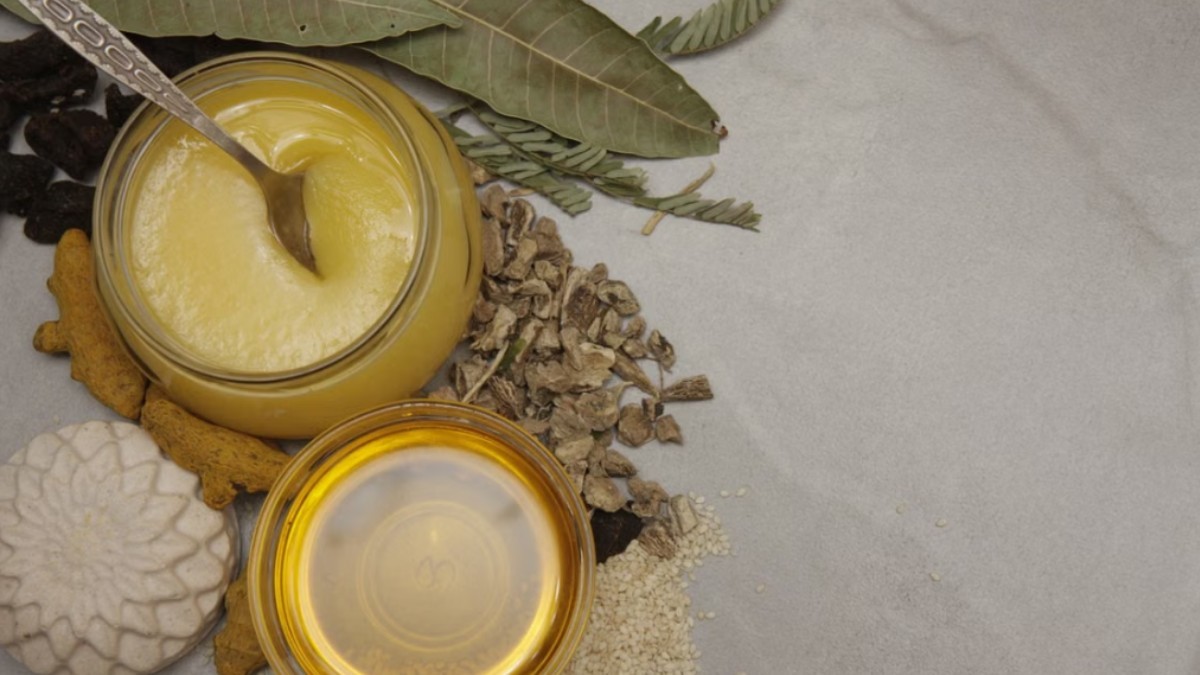
Ghee has been part of Indian kitchens for centuries. It is added to dal, rice, rotis, parathas and sweets and is also used in many traditional food and wellness recipes. In recent years, ghee has become a staple of the food industry and is now a popular wellness ingredient, with claims that eating it every day can improve digestion, boost energy, support weight loss and even improve overall health.
But how much of this is supported by evidence?
The solution is more nuanced than calling ghee a harmful fat or a superfood. Ghee can be part of a balanced diet but the amount is important because it is a concentrated source of fat with a high saturated fat content.
Related Articles


What happens if you have ghee every day?
Ghee is essentially clarified butter. Water and milk solids are removed during preparation, and concentrated milk fat is left behind. This makes ghee calorie-dense, so even a tiny amount can add a lot of fat and calories to a meal.
Ghee is generally flavorful in a small amount and adds more to meals. It is fat-soluble with vitamin A and other compounds in dairy fat. But there are other studies that have looked at butyrate and conjugated linoleic acid, and that ghee is associated with great health benefits should not be overstated.
One of the reasons ghee is associated with better absorption of some nutrients is that dietary fat helps the body absorb fat-soluble compounds. But adding big amounts of ghee to meals does not automatically make them healthier.
Related Articles


The amount is really important. A small amount prepared with a balanced meal is very different from eating several spoonfuls of ghee every day.
The main concern: Saturated Fat
The biggest nutritional problem of eating too much ghee is its saturated fat content. Ghee is mostly fat and a lot of that fat is saturated. High levels of saturated fat can raise LDL cholesterol in the blood, a major risk factor for cardiovascular disease.
This is especially important if ghee is added to an already high-fat diet. When you eat fried food, sweets, full-fat dairy products and processed snacks and then take a few spoonfuls of ghee regularly, you eat way more fat and calories than you need.
Frequent ghee use can make it harder to keep a balance of calories. Since fats give a lot of energy per gram, a lot of fat can make weight gain likely when the body’s total energy consumption is too much.
Doctors have recently advised against too much ghee as more could have health benefits. Ghee in excess can increase calorie intake and cause digestive discomfort in some people (e.g., bloating or nausea).
So how much ghee is enough?
There is no one amount for all people. Daily needs depend on a person’s overall diet, calorie needs, activity level and health status.
The ICMR-NIN Dietary Guidelines for Indians recommend moderation of visible fats and keeping total dietary fat within an appropriate proportion of daily calories.
Some nutrition advisories in India tell us to limit ghee or butter to just one to two teaspoons per day, especially if other sources of fat are already present in the diet.
The point is that it should be viewed in the context of total fat consumption rather than as a universal prescription for every person.
People with high LDL cholesterol, cardiovascular disease, gallstones or other conditions that require dietary fat restriction may need to be particularly careful. A high-fat meal can also worsen symptoms in some people with gallbladder problems.
The Bottom Line
Eating a little bit of ghee every day doesn’t make a diet unhealthy. It’s a part of a diet that we need to be in a healthy Indian diet, and when it’s done right in moderation, it can add to it.
That ghee is going to make digestion better, burn fat faster, or help you lose weight is not supported by clear evidence. More ghee does not mean more health benefits.
For the most part, the better way to view ghee is to see it as a source of dietary fat and not a health supplement. Use a small amount of ghee for flavour and limit your fat intake in general (fruits, vegetables, whole grains, legumes, nuts, protein).
To put it another way, you don’t have to give up your dal with a little ghee. In general, the key question is how much ghee you eat and what your whole diet consists of.


Comments 0