
Paneer is a staple in many Indian households and is known for its high protein content and versatility in cooking. But with rising demand and cost concerns, analogue paneer is now prevalent in restaurants, processed foods, and the food service industry. It may look and taste similar to traditional paneer, but it actually is very different.
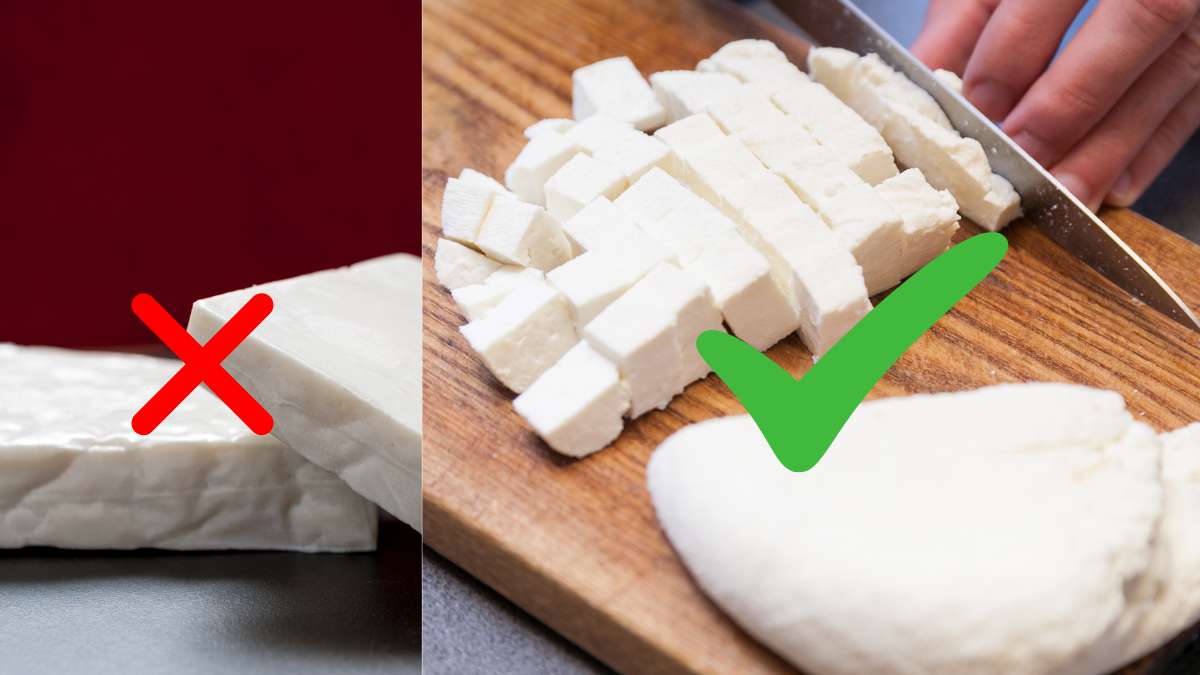
Understanding what analogue paneer is and how it compares to fresh paneer can inform your food choices.
What is Analogue Paneer?
Related Articles


Analogue paneer is a paneer substitute manufactured using ingredients such as:
Vegetable oils or vegetable fats. Milk solids or milk powder. Starches. Plant or milk proteins. Emulsifiers and stabilizers. Food additives and permitted preservatives.
Unlike traditional paneer, which is made by simply curdling fresh milk with a food acid such as lemon juice or vinegar, analogue paneer is made to resemble the texture, look, and taste of regular paneer at a much lower production cost.
Related Articles


Why is Analogue Paneer Used?
Analogue paneer is widely used because it has various commercial advantages such as:
Lower manufacturing cost
Longer shelf life
Consistent texture and appearance
Better storage stability
Sufficient for large-scale food production.
It is commonly found in restaurants, catering services, frozen foods, ready-to-eat meals, and processed food products.
Is Analogue Paneer Healthy?
As the quality of analogue paneer depends on ingredients and manufacturing process, its nutritional value can vary.
Some products may offer protein and calcium, especially if they contain milk solids. However, in comparison to fresh paneer, analogue paneer may also contain:
Higher saturated fat.
More sodium.
Food additives and stabilizers.
Lower-quality fats, depending on the oils used.
Not every analogue paneer product is unhealthy, and nutritional quality can vary greatly between brands.
Analogue Paneer vs Fresh Paneer
Fresh Paneer | Analogue Paneer
Made from fresh milk | Made from vegetable oils, milk solids, starches, and additives.
Naturally high in protein and calcium | Nutrient content varies by product.
Minimal processing | More processed.
Contains fewer additives | May contain emulsifiers, stabilizers, and preservatives.
Fresh taste and texture | Designed to imitate paneer while reducing costs.
How to Make a Healthier Choice
When purchasing paneer products:
Read the ingredient list carefully.
Check the nutrition label for saturated fat and sodium content.
Choose products made with fewer artificial additives.
Prefer fresh paneer whenever possible.
Limit highly processed foods as part of a healthy diet.
Analogue paneer is an easy and cost-effective substitute for paneer, especially in the production of commercial food. While it may have some nutrients, it may also have higher saturated fat, sodium, and food additives, depending on the formulation.
For most people, fresh paneer is still the best option for nutritional value, offering high-quality protein and calcium with minimal processing. Moderation and a balanced diet are key to good health, regardless of the type of paneer you choose.


Comments 0