
If you have ever wondered why mosquitoes always seem to attack you and leave others untouched, you are not alone. Scientific research suggests that mosquito bites are not random. Some people are biologically and ecologically more attractive to mosquitoes than others.
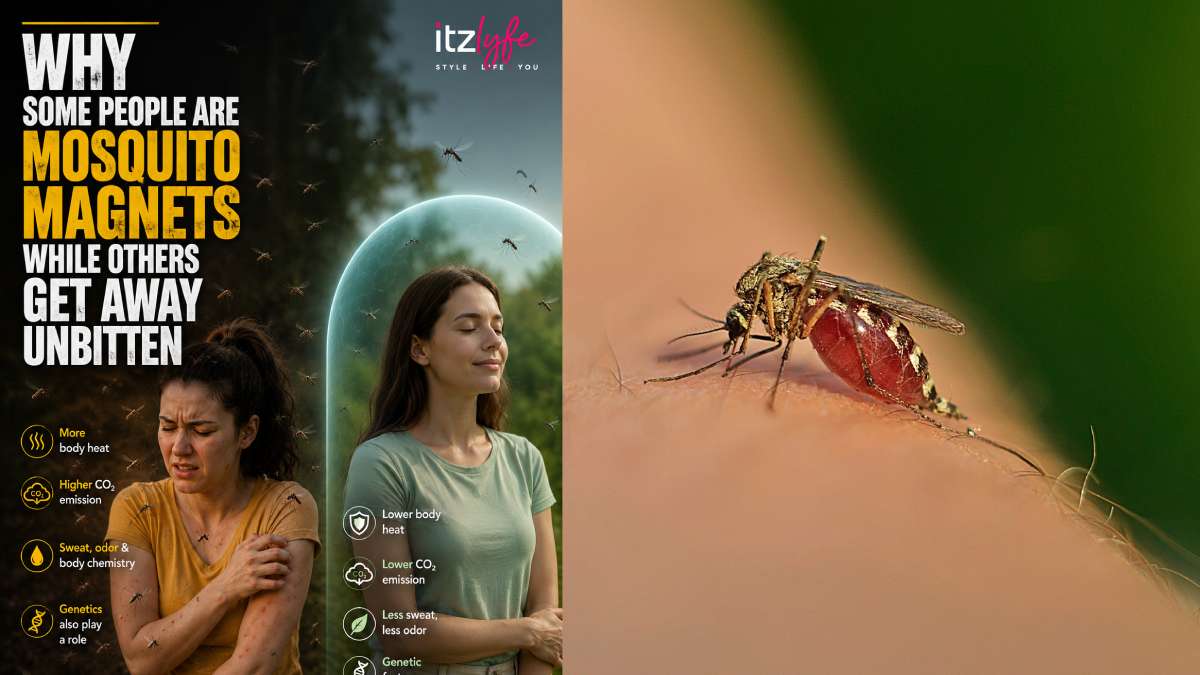
For mosquitoes, many factors determine if you are easy targets from the carbon dioxide you exhale to your body temperature and even the bacteria that live on your skin. While no one can be completely “mosquito-proof” in terms of the number of bites, understanding these factors can prevent mosquito bites and minimize the risk of mosquito-borne diseases.
Why do mosquitoes prefer humans?
Related Articles


Mosquitoes can detect carbon dioxide (CO₂) from more than 30 feet away. People who naturally exhale large amounts of CO₂—adults, taller people, or people who are physically active—are easier for mosquitoes to find.
1. Body odor
Your natural body smell is important. Sweat contains ingredients like lactic acid, ammonia, and uric acid which can attract mosquitoes. Human body chemistry is very unique and many people are bitten more than others.
Related Articles


2. Body heat
Mosquitoes are attracted to warmth. After exercising or doing something outdoors, you raise your body temperature and mosquitoes are able to see you more easily (and for a blood meal).
3. Skin bacteria
The bacteria naturally present on your skin create different chemical compounds. Research suggests that certain combinations of skin microbes can be extremely attractive to mosquitoes, some people more than others.
4. Genetics
Genetics might also influence mosquito attraction. Scientists believe inherited traits affect body odor, skin chemistry, and immune responses, all of which can determine how attractive you are to mosquitoes.
5. Pregnancy
Pregnant women tend to receive more mosquito bites because they exhale more carbon dioxide and have slightly higher body temperatures compared to non-pregnant ones.
6. Blood type
Some studies suggest that people with blood group O may get more mosquito bites than those with other blood types. However, the evidence is mixed and blood type alone does not determine mosquito attraction.
How do we prevent mosquito bites?
Although you can’t change your genetics or body chemistry, you can minimize the chance of getting bitten by some simple precautions:
It is important to use insect repellent with the most effective active ingredients. Wear long-sleeved shirts and full-length trousers, especially at sunrise and sunset. Clean up mosquito breeding areas around your home with mosquito netting and window or door screens. Keep the environment clean so mosquitoes stay away.
Why prevention matters.
Mosquitoes are far more than a nuisance—they can spread serious diseases like dengue, malaria, chikungunya, Zika virus, and West Nile virus, depending on the region. So protecting yourself from mosquito bites is one of the best ways to reduce the risk of these infections.
Key Takeaway
Part of being a “mosquito magnet” is a biology-driven phenomenon rather than luck. Factors like carbon dioxide, body odor, skin bacteria, body heat, genetics, pregnancy, and possibly blood type all contribute to how attractive you are to mosquitoes. While you cannot change those factors, using insect repellent, wearing protective clothing, and avoiding mosquito breeding sites can help reduce the risk of mosquito bites and keep you safe.


Comments 0